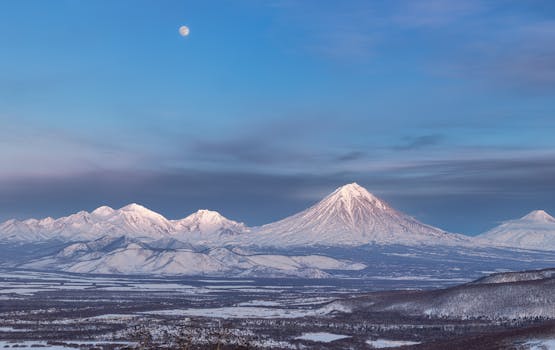
Volcanoes are among nature’s most awe-inspiring and powerful forces, with a diverse range of types and characteristics that fascinate scientists and the general public alike. Their ability to shape landscapes and affect global climates makes them a critical subject of study in earth sciences. Understanding the different tipos de volcanes (types of volcanoes) is essential for assessing the risks they pose and appreciating their role in Earth’s geological processes.
What are the main types of volcanoes?
Table of Contents
Understanding the different types of volcanoes
Volcanoes come in various shapes and sizes, each with unique features and eruption patterns. The main categories are shield volcanoes, stratovolcanoes (or composite volcanoes), cinder cone volcanoes, and lava domes. Shield volcanoes, like Mauna Loa in Hawaii, have gentle slopes and are known for their fluid lava flows. Stratovolcanoes, such as Mount Fuji, feature steep profiles and often experience explosive eruptions. Cinder cones are simpler structures with steep slopes that result from tephra falling close to the eruption vent. Lava domes are formed by the slow eruption of viscous lava that piles up around the vent.
Each volcano type has its own mechanism of formation and eruption style, making it crucial to study them in detail to predict their behavior and potential hazards. For example, the calm lava flows of shield volcanoes are generally less dangerous than the violent eruptions of stratovolcanoes, which can produce deadly pyroclastic flows.
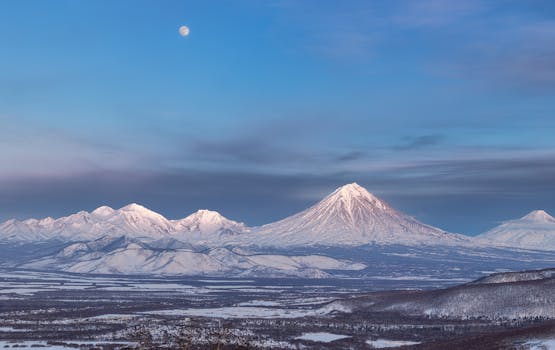
These types of volcanoes and their characteristics are not only important for scientific research but also for educational purposes, as they help people understand the dynamic nature of our planet.
How are volcanoes classified by activity?
Volcanoes by shape and activity
Volcanoes are also classified according to their activity levels: active, dormant, and extinct. An active volcano has erupted recently and is likely to erupt again, whereas a dormant volcano has not erupted in a long time but may become active again. Extinct volcanoes are those that scientists believe will not erupt again.
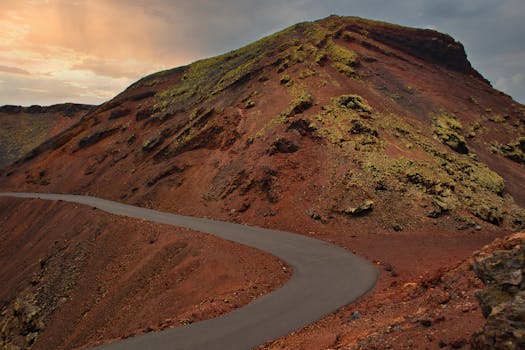
This classification is crucial for risk assessment and monitoring efforts, as it helps determine which volcanoes require close observation. For instance, Mount St. Helens was considered dormant before its catastrophic eruption in 1980, which highlighted the need for careful monitoring of dormant volcanoes.
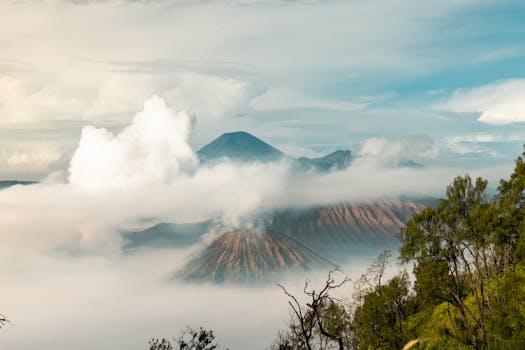
Understanding the state of a volcano’s activity can aid in developing evacuation plans and other safety measures to protect communities living in the vicinity of these potentially dangerous natural wonders.
What are the morphological types of volcanoes?
Types of volcanoes and their characteristics
- Shield volcanoes: Wide, gently sloping profiles with non-explosive eruptions.
- Stratovolcanoes: Tall, cone-shaped mountains with alternating layers of lava and tephra.
- Cinder cone volcanoes: Small, steep-sided cones made primarily of volcanic ash and scoria.
- Lava domes: Rounded, bulbous formations created by slow-moving, viscous lava.
Each morphological type has distinct features that influence the surrounding landscape and the potential impact on nearby populations.
What are the different eruption styles of volcanoes?
Understanding volcano eruption styles
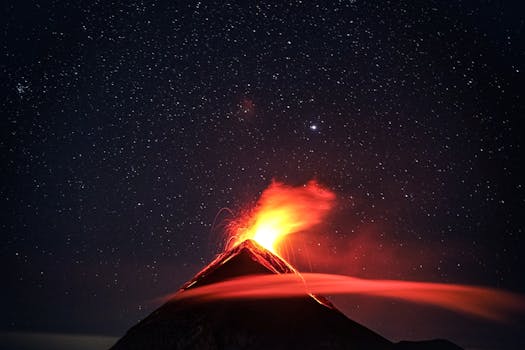
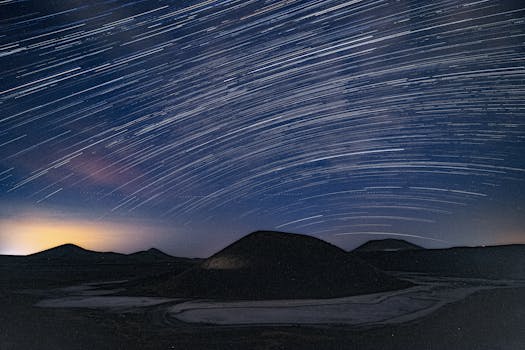
Volcanic eruptions can vary from quiet lava flows to explosive blasts that can have significant consequences for the environment and human life. The different eruption styles are largely determined by the magma’s viscosity, gas content, and the type of volcano in question. The four main types of eruptions are Hawaiian, Strombolian, Vulcanian, and Plinian.
Hawaiian eruptions are typically gentle and produce flowing lava, while Strombolian eruptions are known for their short-lived, explosive bursts. Vulcanian eruptions are more violent and can produce ash clouds and pyroclastic flows. The most devastating eruptions are Plinian, characterized by colossal explosive eruptions that can release vast amounts of ash and gas into the stratosphere.
Understanding these eruption styles is key to predicting the impact of potential volcanic events and implementing appropriate safety measures for at-risk areas.
Which volcanoes are considered the most dangerous?
Volcanoes around the world
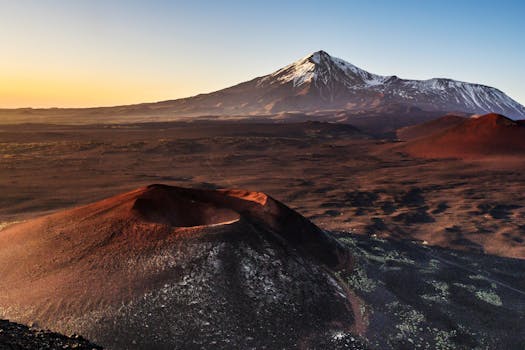
Some volcanoes are considered more dangerous than others due to their size, eruption history, and proximity to populated areas. For example, the Mount Vesuvius in Italy, Krakatoa in Indonesia, and Mount St. Helens in the United States are infamous for their destructive past eruptions.
The Pacific Ring of Fire is home to a large number of the world’s most dangerous volcanoes, partly due to the high population densities nearby. The Ring of Fire’s tectonic activity results in numerous volcanic eruptions and earthquakes each year, making it a primary focus for geological monitoring and disaster preparedness.
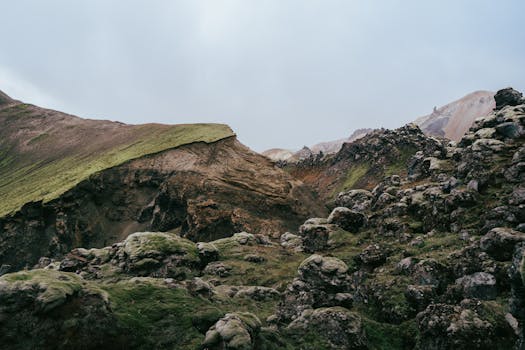
Assessing the danger posed by a volcano involves analyzing its eruption history, geologic and seismic data, and the potential for future activity.

How do volcanoes form and erupt?
Educational insights on volcanoes
Volcanoes form when magma from within the Earth’s mantle rises to the surface through cracks or weaknesses in the crust. The magma, now called lava when it reaches the surface, can form a variety of volcanic structures depending on its composition, eruption style, and environmental factors.
The eruption process is influenced by several factors, including the temperature, gas content, and viscosity of the magma. When the pressure from gases within the magma becomes too great, an eruption occurs, releasing the contents in various forms such as lava flows, ash clouds, and pyroclastic material.
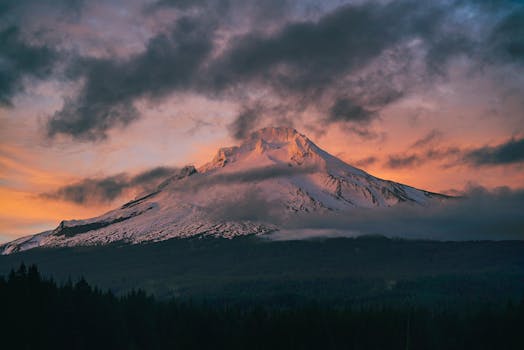
Education on how volcanoes form and erupt is vital for understanding the risks they pose and for promoting awareness among communities that live in the vicinity of these powerful natural features.
What is the global distribution of active volcanoes?
Volcanoes around the world
Active volcanoes are distributed across the globe, with a significant concentration along the Pacific Ring of Fire. This area is the most geologically active region on Earth, with numerous earthquakes and volcanic eruptions due to the movement of tectonic plates.
Other regions with active volcanoes include the Mid-Atlantic Ridge, the African Rift Valley, and various hotspots like Hawaii. These areas are of particular interest to scientists for their dynamic geological activity and their potential to provide insights into the Earth’s interior processes.
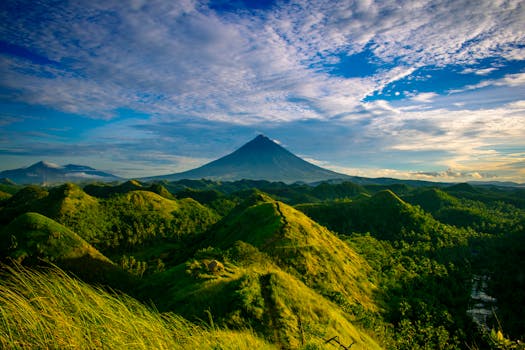
Mapping the global distribution of volcanoes is a critical component of understanding planetary geology and in developing strategies for disaster risk reduction in volcano-prone regions.
Related questions about the types of volcanoes
What are the 4 types of volcanoes that exist?
There are four primary types of volcanoes: shield, stratovolcano, cinder cone, and lava dome. Each type is characterized by its unique shape and eruption style, which are determined by the physical properties of the magma that forms them.
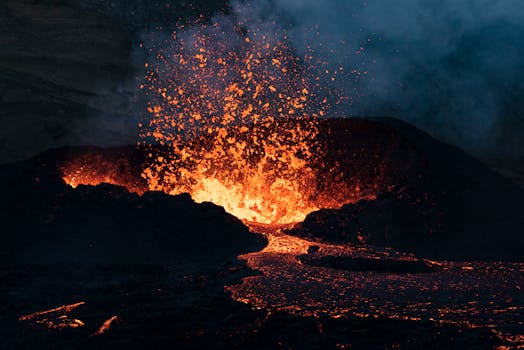
For instance, shield volcanoes like Hawaii’s Mauna Loa have low profiles and are built by the accumulation of fluid lava flows. In contrast, stratovolcanoes feature a layered structure that results from a combination of explosive activity and lava flows.
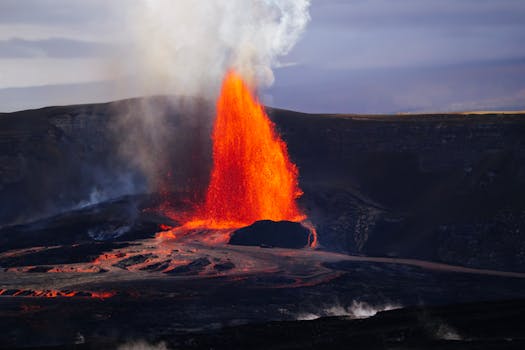
How many volcanoes are there, and what are they?
There are over 1,500 potentially active volcanoes worldwide. Some of the most renowned include Mount Fuji in Japan, Yellowstone Caldera in the United States, and Mount Etna in Italy. Volcanoes are diverse in their activity levels and types, each presenting unique geological features and hazards.
While it’s difficult to predict precisely how many volcanoes exist due to underwater and uncharted volcanic features, the active ones are closely monitored for signs of potential eruptions.
What are the names of the four types of volcanoes?
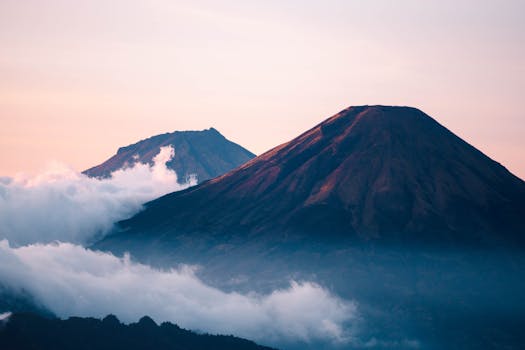
The names of the four main types of volcanoes are shield, stratovolcano, cinder cone, and lava dome. These names describe their physical characteristics and eruption patterns, which are essential for understanding and predicting their behavior.
For instance, cinder cones are relatively small compared to the enormous shield volcanoes, and their eruptions tend to be brief yet explosive, while lava domes are characterized by their rounded shapes and slow-moving lava.
What are the 4 types of eruptions?
The four main types of volcanic eruptions are Hawaiian, Strombolian, Vulcanian, and Plinian. Each type has distinct features, such as the gentle Hawaiian eruptions that produce spectacular lava fountains, and the cataclysmic Plinian eruptions known for their towering ash columns and devastating pyroclastic flows.
The diversity of eruption types reflects the complex nature of volcanic activity and the various forces at work beneath the Earth’s surface.