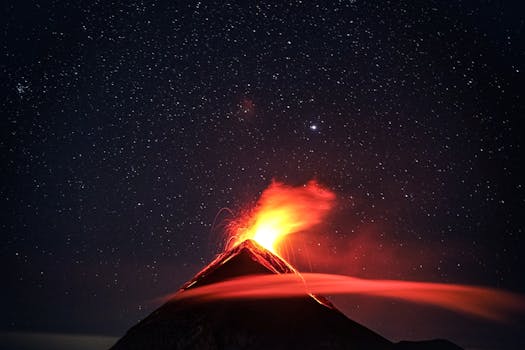
Volcanoes are among the most spectacular and powerful expressions of Earth’s dynamic interior. As natural wonders, they fascinate and terrify with their fiery displays of molten rock and ash. Understanding the parts of a volcano is essential for grasping how these geological giants operate and impact our planet.
Table of Contents
- What is a volcano?
- What are the main parts of a volcano?
- How do volcanoes form?
- What are the functions of a volcano’s fissures?
- What is the importance of the crater?
- What are the types of volcanoes based on structure?
- What are the characteristics of the volcanic cone?
- Related questions about the intricacies of a volcano’s structure
What is a volcano?
A volcano is a geological formation that allows magma, gases, and ash to escape from beneath the Earth’s crust. Volcanoes are found globally, with many lining the so-called Pacific Ring of Fire, a region known for its seismic activity. They can be active, showing regular signs of eruption, dormant, with no recent activity but the potential to erupt again, or extinct, with no likelihood of eruption.
The formation of a volcano is a complex process that can involve the movement of tectonic plates, the presence of a hotspot in the Earth’s mantle, or other geological factors. The result is a structure that can vary greatly in shape and size, but typically includes several key parts.
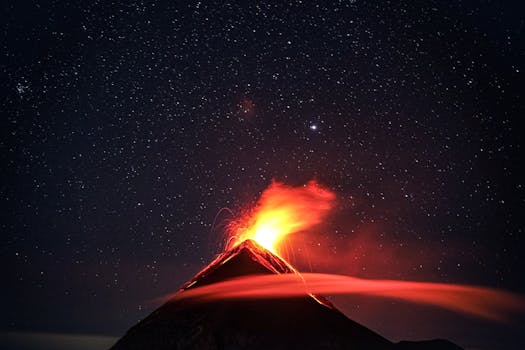
When considering the geological features of volcanoes, one must not only think of the visible structure but also the hidden, internal elements. Each part plays a critical role in the behavior and potential hazards of volcanic eruptions.
What are the main parts of a volcano?
The parts of a volcano are as fascinating as they are crucial to understanding these natural phenomena. Typically, a volcano consists of the magma chamber, the chimney or conduit, the volcanic cone, the crater, and sometimes additional fissures.
The magma chamber is a reservoir of molten rock located beneath the Earth’s surface. It is here that magma collects, biding its time before an eruption. The chimney, or conduit, is the pathway through which magma travels during an eruption, leading up to the surface.
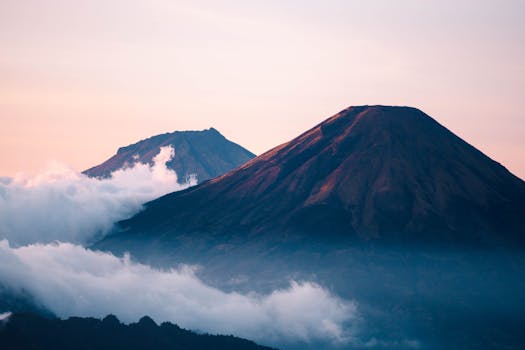
The volcanic cone is the outermost layer and the most visible part of a volcano, formed from layers of hardened lava, tephra, pumice, and volcanic ash. The crater is the bowl-shaped depression at the top of the volcano where eruptions occur and gases are released. Additionally, some volcanoes have fissures, cracks through which lava can also emerge.
How do volcanoes form?
Volcanoes form through the movement of tectonic plates and the presence of hotspots in the Earth’s mantle. Subduction zones, where one plate moves under another, are common sites for the formation of volcanoes. The descending plate melts, and magma rises to create a volcano. Rift zones, where plates move apart, and hotspots, stationary areas of heat in the mantle, can also lead to volcanic formation.
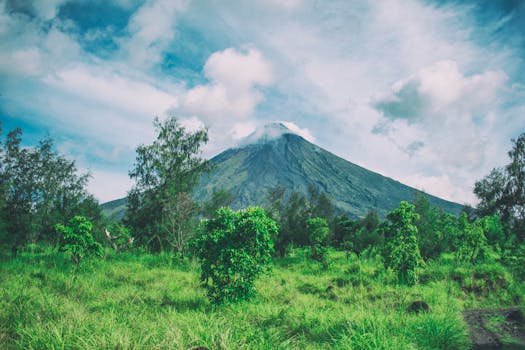
Over time, eruptive activity builds up the volcanic materials, resulting in the classic cone shape we associate with these structures. The process can take thousands to millions of years, with each eruption contributing to the growth and change of the volcano’s landscape.
Volcanoes not only form on Earth but also on other celestial bodies. For example, Mars hosts Olympus Mons, the largest volcano in our solar system, showing that volcanic activity is a universal geological process.
What are the functions of a volcano’s fissures?
- Fissures serve as alternative pathways for magma to reach the Earth’s surface.
- They can produce extensive lava flows that travel far from the main vent.
- Fissures may relieve pressure in the magma chamber, potentially preventing more explosive eruptions.
What is the importance of the crater?
The crater is a defining feature of a volcano, often portraying a dramatic scene during an eruption. Its importance lies in its role as the primary vent for volcanic materials. Gases, ash, and lava are expelled through the crater, making it the focal point for volcanic activity.
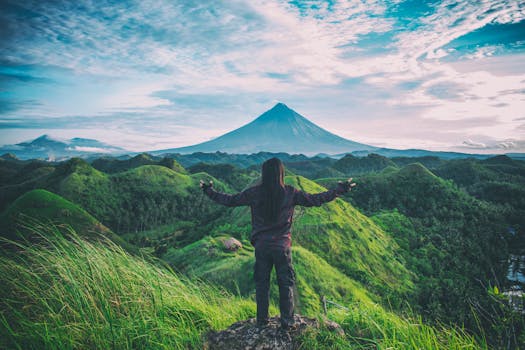
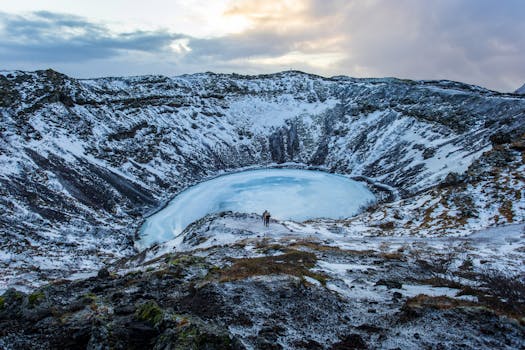
Craters can vary in size and shape, and over time, they can evolve. Some may fill with water to form crater lakes, while others may be altered by subsequent eruptions or collapses. The state of the crater can influence the type and danger of an eruption.
Craters are also crucial for scientists monitoring volcanic activity. Changes in the crater, such as gas emissions or deformation, can provide early warning signs of an impending eruption.
What are the types of volcanoes based on structure?
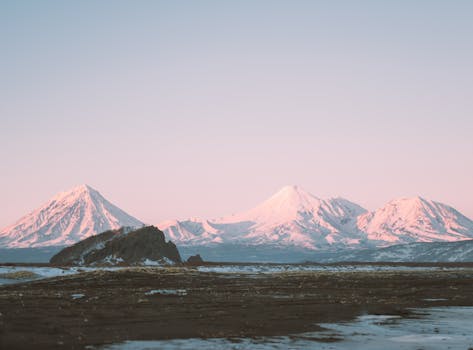
Volcanoes are classified into several types based on their structure and the nature of their eruptions. The three main types are:
- Stratovolcanoes, which are characterized by steep, conical shapes and explosive eruptions.
- Shield volcanoes, known for their broad, gently sloping profiles and milder, lava-based eruptions.
- Cinder cone volcanoes, the simplest type, built from particles and blobs of congealed lava ejected from a single vent.
What are the characteristics of the volcanic cone?
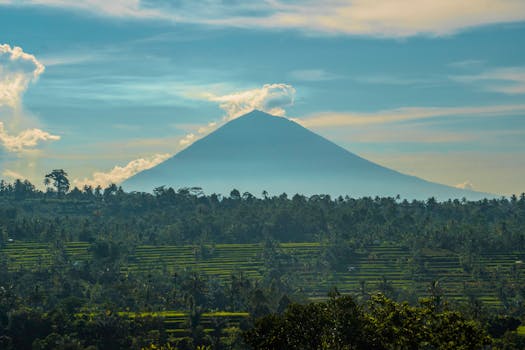
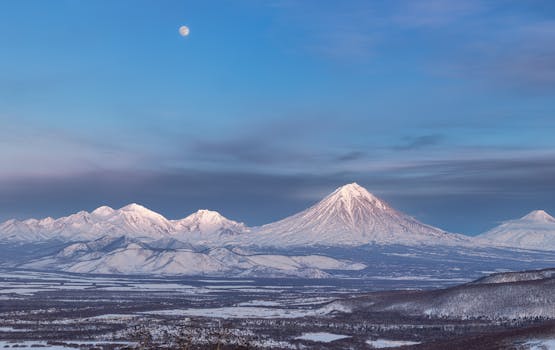
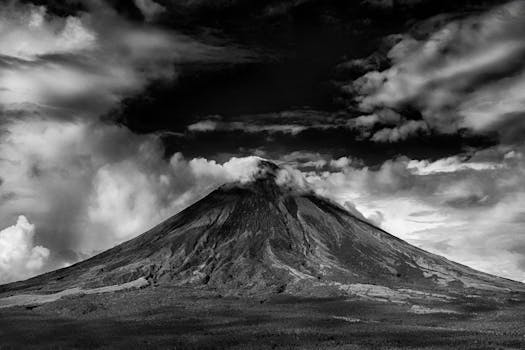
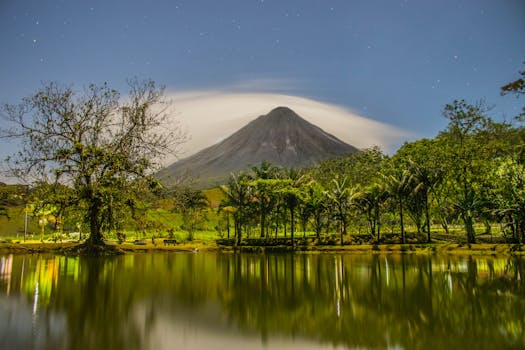
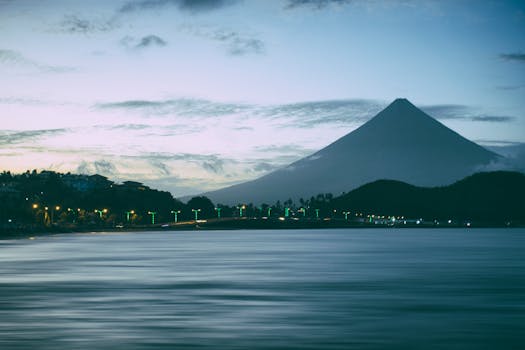
The volcanic cone is the most recognizable part of a volcano, often depicted in illustrations and photographs. It is formed from the accumulation of volcanic materials like lava, ash, and rocks that solidify around the vent. The cone’s characteristics include its shape, which can range from steep and symmetrical to broad and asymmetrical, depending on the eruption style and frequency.
The cone also has layers of hardened lava and tephra, creating a stratified appearance. Its stability can vary, with some cones prone to landslides or collapse, especially after significant eruptions or if the underlying structure is weakened.
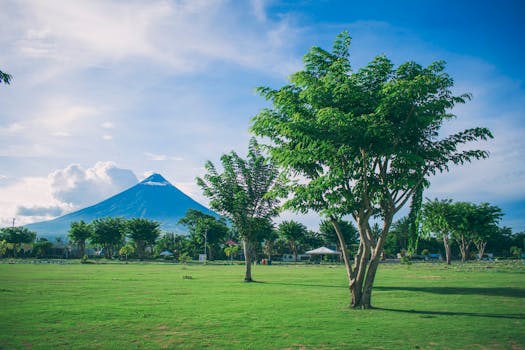
Moreover, the cone’s surface features, such as vents, lava domes, and fissures, play a role in the type of eruptions and the distribution of lava flows. Understanding the cone’s characteristics helps predict future volcanic activity and potential hazards.
Related questions about the intricacies of a volcano’s structure
What are the parts of a volcano?
As discussed earlier, the key parts of a volcano include the magma chamber, the chimney or conduit, the volcanic cone, the crater, and in some cases, additional fissures. Each part plays a critical role in the volcano’s eruption and overall structure.
The magma chamber acts as a storage unit, the chimney as the pathway, the cone as the building structure, and the crater as the outlet. Fissures can also act as additional vents for lava and contribute to the shape and size of the volcanic field.
What are the 3 types of volcanoes?
The three main types of volcanoes are stratovolcanoes, shield volcanoes, and cinder cones. Stratovolcanoes are known for their explosive eruptions and pyroclastic flows, shield volcanoes produce large lava flows that can cover wide areas, and cinder cones are smaller in size, with eruptions generally less severe than those of stratovolcanoes.
Each type has distinctive features that define its shape, eruption style, and the hazards it may present. Understanding these differences is key to volcanic studies and disaster preparedness.
What are the components of volcanic lava?
Volcanic lava is composed of molten rock called magma that originates from the Earth’s mantle. When it reaches the surface, it may contain a mix of crystals, volcanic glass, and gas bubbles. The exact composition can vary, but it often includes elements like silicon, oxygen, aluminum, iron, and magnesium.
The temperature and composition of the lava can affect its viscosity and, consequently, the type of eruption and the shape of the volcanic landforms it creates.
What are the 4 types of volcanic eruptions?
Volcanic eruptions can be categorized into four main types: Hawaiian, Strombolian, Vulcanian, and Plinian. Hawaiian eruptions are gentle and produce lava flows; Strombolian eruptions are characterized by periodic moderate explosions; Vulcanian eruptions are short, violent, and produce ash clouds; and Plinian eruptions are the most explosive, often resulting in widespread devastation and towering eruption columns.
Each eruption type has distinctive characteristics, such as the size and shape of the ash cloud, the speed of the lava flows, and the distribution of ejected materials.
In conclusion, a volcano is an intricate geological structure with various parts that work together during an eruption. Understanding these parts helps us appreciate the awe-inspiring power of volcanoes and the hazards they can present. Scientists continue to study these natural phenomena to better predict their behavior and protect communities living in their shadows.