Clima polar, a term often associated with extreme cold and barren landscapes, is a fascinating subject that piques the curiosity of scientists and adventurers alike. With profound effects on global weather patterns, understanding the clima polar is critical for grasping the intricate workings of our planet’s climate system.
Table of Contents
- Adiós al vórtice polar: What is happening to our weather patterns?
- What is the clima polar?
- Characteristics of the clima polar: Temperature and weather patterns
- Flora and fauna of the clima polar: Who thrives in extreme conditions?
- Types of clima polares: Exploring subtypes and variations
- Where is the clima polar located?
- Recent weather patterns: The impact of the polar vortex
- Exploring the depths of polar climates
- Understanding the significance of the polar climate
Adiós al vórtice polar: What is happening to our weather patterns?
The vórtice polar is a large area of low pressure and cold air surrounding the Earth’s poles. Recently, noticeable changes have been observed with the weakening of the polar vortex, leading to unexpected weather phenomena. Such alterations can cause colder winters in some regions while bringing milder temperatures to others.
The weakening of the vortex allows for Arctic air masses to travel further south, resulting in temperature shifts that can have significant impacts on ecosystems and human activities. It also raises questions about the long-term implications of these changes on our environment.
Scientists are closely monitoring these patterns, as they could signify broader changes in the global climate system. This phenomenon illustrates the dynamic nature of the Earth’s atmospheric conditions and the importance of continual research and observation.
What is the clima polar?
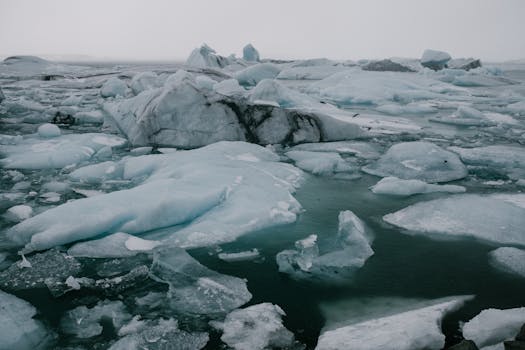
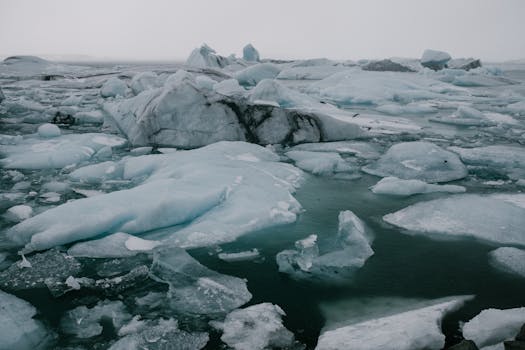
The clima polar, or polar climate, is characterized by persistently low temperatures throughout the year. Found in regions surrounding the North and South Poles, this climate zone experiences very little annual precipitation, harsh winds, and extensive ice cover.
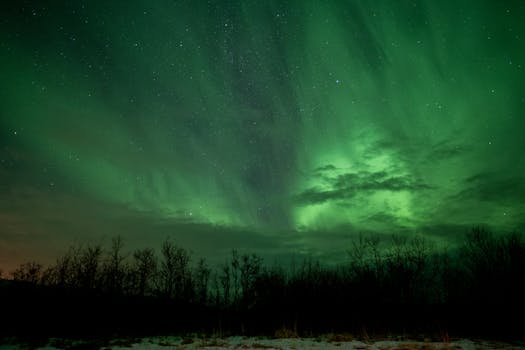
A significant feature of the clima polar is the absence of warm summers, with the average temperature in the warmest month not exceeding 10°C. The relentlessly cold conditions pose challenges to both humans and wildlife, making it one of the least hospitable environments on Earth.
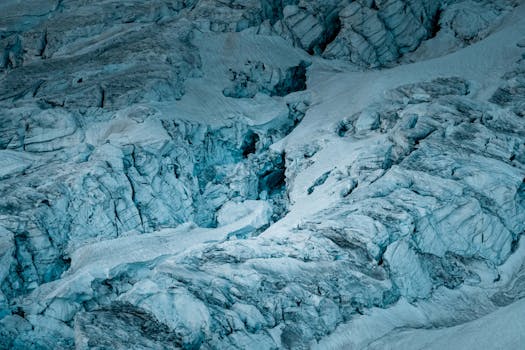
Despite the harsh conditions, the polar climate is crucial for maintaining global temperature balance. Its expansive ice sheets reflect sunlight, helping to regulate Earth’s temperature and climate patterns worldwide.
Characteristics of the clima polar: Temperature and weather patterns
The defining characteristics of the clima polar include frigid temperatures and distinct weather patterns. With temperatures often dropping below -40°C during winters, the polar regions are synonymous with extreme cold.
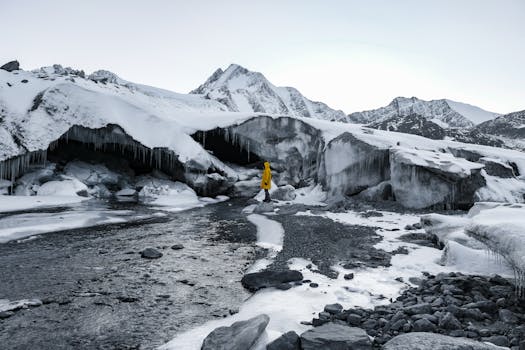
Weather patterns in these areas are less variable compared to other climates. Due to the cold, the atmosphere is less able to retain moisture, which results in minimal precipitation, usually as snow. These conditions contribute to the formation of ice deserts, vast expanses of ice and snow that dominate the landscape.
The polar day and night, phenomena where the sun stays above or below the horizon for extended periods, also influence the climate. These conditions give the polar regions a unique rhythm of life, affecting everything from human activities to wildlife behavior.
Flora and fauna of the clima polar: Who thrives in extreme conditions?
Life in the clima polar is challenging, yet certain species have adapted to thrive in these extreme conditions. The flora consists primarily of hardy species like mosses, lichens, and small shrubs that can survive the cold and lack of nutrients.
The fauna of the polar regions has evolved remarkable adaptations. Polar bears, for instance, have thick fur and a layer of blubber to insulate against the cold. Arctic foxes change the color of their coat with the seasons for better camouflage and insulation.
- Sea mammals like seals and whales possess thick layers of blubber for warmth and buoyancy in the frigid waters.
- Bird species, including penguins in Antarctica, have evolved specialized behaviors to cope with the cold, such as huddling together for warmth.
- Reindeer and musk oxen grow dense fur and have hooves adapted for walking on snow and digging for food beneath it.
These adaptations are crucial for survival in a climate that offers little respite from the extreme cold and limited food resources.
Types of clima polares: Exploring subtypes and variations
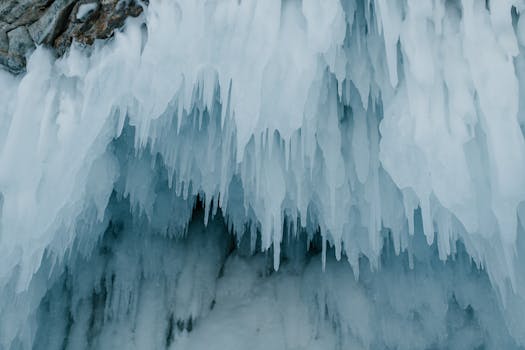
While the overall clima polar is characterized by cold temperatures, there are subtypes and variations that offer slight differences in conditions. The tundra climate, for example, features a short, slightly warmer summer, allowing for a thin layer of the soil to thaw and support limited vegetation.
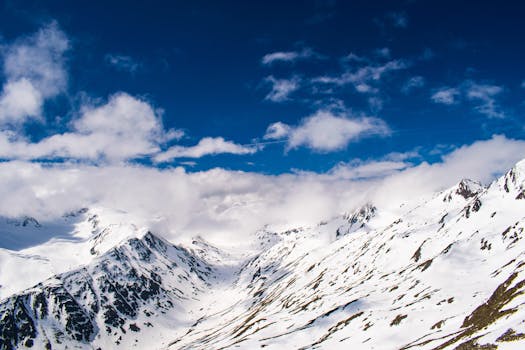
Glacial and nival climates are found at the highest elevations and are marked by perpetual ice and snow cover. These climates are even more extreme, with temperatures rarely rising above freezing, even in the warmest months.
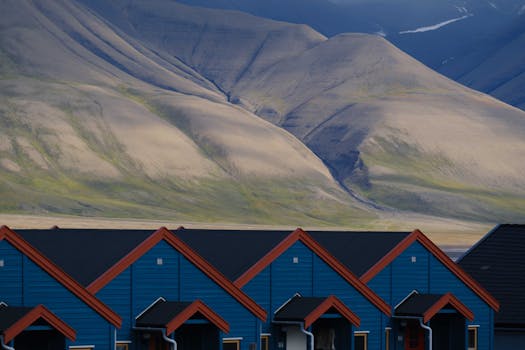
These subtypes of the polar climate influence the biodiversity and the ability of humans to inhabit or utilize these regions. Understanding the nuances of each subtype is important for environmental management and predicting how changes to these climates can affect the rest of the world.
Where is the clima polar located?
The clima polar is primarily located at the high latitudes near the Earth’s poles, in regions like Antarctica and the Arctic. However, it can also be found in high mountain ranges such as the Himalayas, Andes, and certain parts of the Rocky Mountains.
These areas are sparsely populated due to the extreme conditions, but they play a vital role in global climate regulation. The polar regions are also significant for their natural resources and as unique habitats for wildlife.
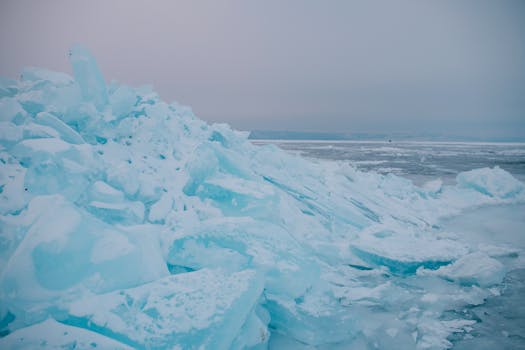
The location of the polar climate zones has implications for global weather patterns, ocean currents, and biodiversity. As such, they are of great interest to climate scientists and ecologists studying the impacts of climate change.
Recent weather patterns: The impact of the polar vortex
Recent weather patterns have been significantly influenced by changes in the polar vortex. This phenomenon has been linked to unusual temperature rises, contributing to record-breaking warm spells in regions that typically experience cold winters.
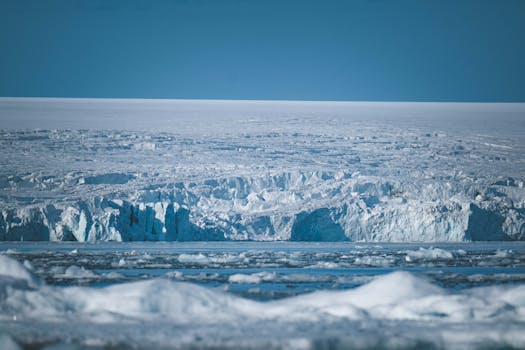
The shifting dynamics of the polar vortex have led to concerns about the potential for increased frequency of extreme weather events. From prolonged heatwaves to severe winter storms, the impact of these changes can be far-reaching.
Scientists are investigating the connections between the polar vortex and climate change, seeking to understand how human activities may be influencing these patterns and what the long-term consequences might be.
Exploring the depths of polar climates
¿Qué es el clima polar?
The clima polar refers to the Earth’s coldest climate zones, where low temperatures prevail year-round, and the landscape is dominated by ice and snow. This type of climate is characterized by limited vegetation, specialized wildlife, and significant impacts on global weather patterns.

Understanding the clima polar is essential for recognizing its influence on biodiversity, ocean currents, and the overall climate system. Researchers continue to study these regions to gain insights into the effects of climate change and how we might mitigate its impacts.
¿Qué países tienen clima polar?
Countries with territories in the clima polar include Canada, Russia, the United States (Alaska), Greenland (part of the Kingdom of Denmark), Norway (Svalbard and Jan Mayen), and entire nations like Iceland. Additionally, the entire continent of Antarctica, while not a country, is governed by an international treaty and experiences a polar climate.

These countries face unique challenges due to the harsh conditions of their polar regions, including issues related to infrastructure, resource extraction, and the well-being of indigenous communities.
¿Qué temperatura hace en el clima polar?
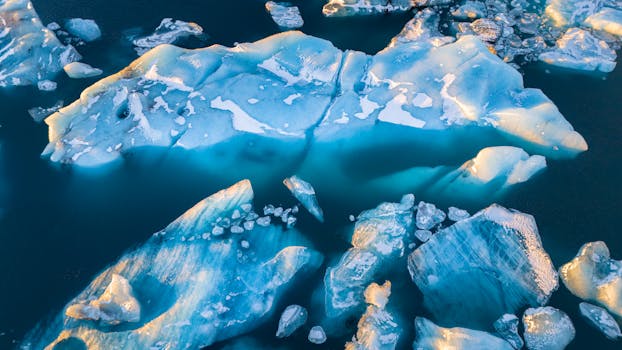
Temperatures in the clima polar can range widely, with the warmest summer months barely reaching above 0°C and winter months often plunging to -40°C or lower. These extreme temperatures are a defining characteristic of the polar climate and greatly influence life and natural processes in these regions.
These frigid conditions are due to a combination of factors, including the high latitude, low sun angle, and the albedo effect, where snow and ice reflect sunlight, keeping the region cool.
¿Qué animales hay en el clima polar?
Animals found in the clima polar have evolved unique adaptations to survive the extreme cold. These include polar bears, arctic foxes, various species of seals, walruses, and migratory birds such as the Arctic tern. Marine life is rich in the polar oceans, with krill being a foundational species supporting larger animals such as whales.
These animals are integral to the polar ecosystems, and changes in the climate can have serious ramifications for their survival and the balance of these delicate environments.
Understanding the significance of the polar climate
The polar climate holds a significant place in the Earth’s climate system. Its influence on global weather patterns and the reflection of solar radiation makes it a key player in temperature regulation. Understanding the polar climate is essential for predicting future climate changes and for the conservation of the unique ecosystems found within these regions.
As the effects of climate change become more apparent, the importance of studying and protecting the polar climates cannot be overstated. The fate of these frigid realms is inextricably linked to the well-being of the entire planet.