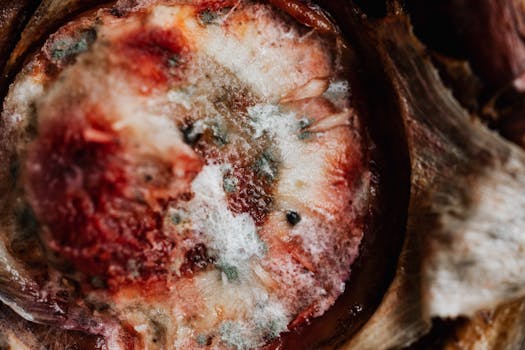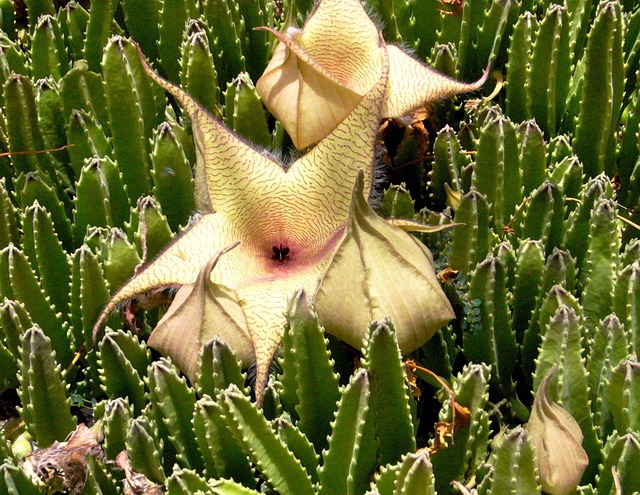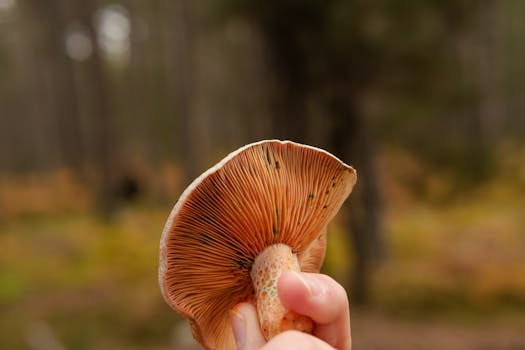
At the heart of many ecosystems, esporas, or spores in English, play a critical role in the perpetuation of life. As microscopic agents of continuity, these reproductive entities captivate those interested in biology and Spanish language alike. Their resilience and adaptability are essential for survival in various environments, making them a fascinating subject for exploration.
Understanding the intricacies of esporas is not only crucial for scientific pursuits but also for those invested in the cross-cultural fields of language and healthcare. They bridge the gap between simple biological concepts and complex ecological systems, embodying the elegance of nature’s design.
Table of Contents
What are esporas?
Reproductive cells crucial to the lifecycle of many organisms, esporas are produced by fungi, plants, and certain bacteria. Functioning as a means of survival and propagation, they can endure extreme conditions that would be detrimental to other forms of life.
Their design includes thick protective walls that guard the genetic material inside, allowing them to remain dormant until favorable conditions arise. This remarkable feature positions spores as a key factor in the resilience of ecosystems.
From a language perspective, grasping the concept of esporas enriches one’s Spanish vocabulary, especially within scientific discourse. It is a term frequently encountered in both educational and professional settings, emphasizing its importance in diverse contexts.
What is the meaning of esporas in English?
Esporas translates directly to “spores” in English. This translation bridges the gap between Spanish and English speakers, facilitating the sharing of scientific knowledge. It’s a testament to the universal nature of biological science and its terminology.
For language learners, understanding such translations is vital for clear communication, particularly in fields like biology, botany, and medicine, where precision is paramount. The term is a fundamental piece in the mosaic of bilingual scientific literacy.
What are the different types of esporas?
- Asexual spores – These are formed without the fusion of gametes and are genetically identical to the parent organism.
- Sexual spores – These result from the combination of genetic material from two different cells, leading to genetically diverse offspring.
- Endospores – A specialized type formed within bacteria like Clostridium, enabling them to survive in extreme conditions.
How do esporas function in the fungal life cycle?
In fungi, esporas serve as the primary means of reproduction. They are released into the environment and, when conditions are favorable, germinate to form a new organism. This process is crucial for the dispersal and genetic diversity of fungal species.
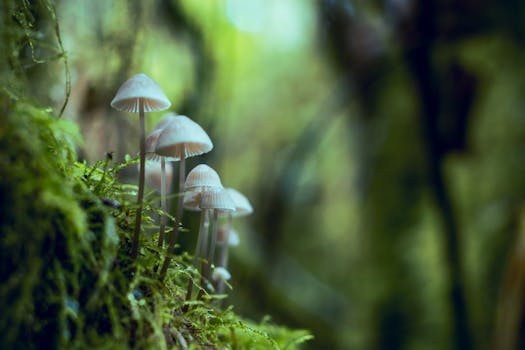
Fungal spores can be spread by wind, water, or animal carriers, demonstrating the interconnectedness of organisms within an ecosystem. The fungal life cycle is a beautiful exemplification of environmental resilience and adaptability, with esporas at its core.
What is the pronunciation of esporas?
Pronunciation of the word “esporas” in Spanish is /ehs-por-ahs/, with a soft “e” and rolled “r”. English speakers may find the Spanish pronunciation distinct, but accessible with practice. Language resources and audio aids can be beneficial for those looking to master the correct pronunciation.
What are some common examples of esporas?
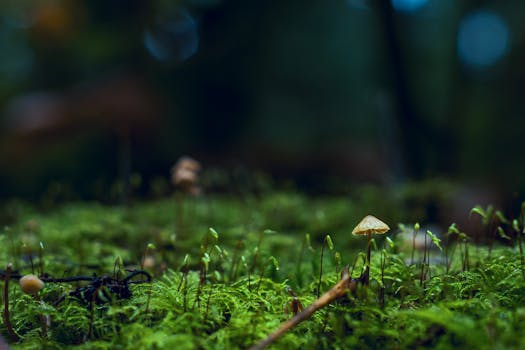
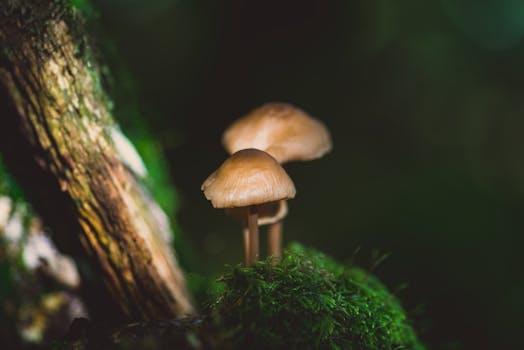
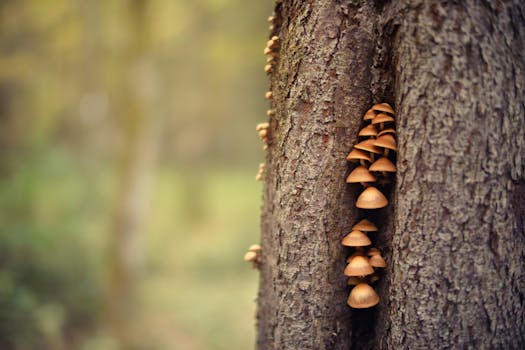
Common examples include the ubiquitous mushroom spores, which many are familiar with. These spores are often released in vast numbers to ensure the continuation of the species. Ferns also reproduce using spores, which are typically found on the undersides of their leaves.
Bacterial endospores, such as those produced by the Bacillus and Clostridium species, represent a more resilient type, capable of withstanding boiling temperatures and harsh chemicals.
Exploring the fascinating world of spores
What is an example of a spore?
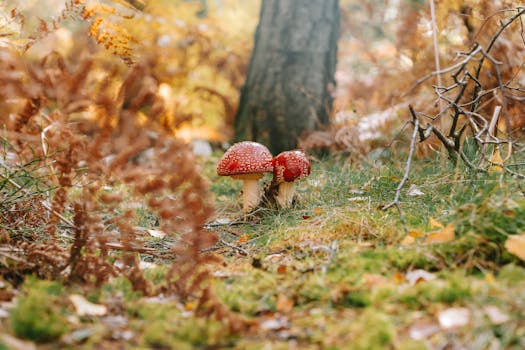
An example of a spore is the basidiospore, which is produced by mushrooms. These reproductive units are ejected in vast numbers and are responsible for the growth of new fungi when they land in a suitable environment.
Another illustration is the pollen grain, which is considered a spore in the plant kingdom. Pollen is crucial for the fertilization and reproduction of many flowering plants.
What are the meanings of español?
Español is the Spanish term for the Spanish language or something related to Spain. It encompasses the rich cultural and linguistic heritage of the Spanish-speaking world.
In a broader sense, español refers to the people, traditions, and products originating from Spain or Spanish-speaking countries, contributing to a diverse global tapestry.
What is the meaning of Esposa?
The word “esposa” in Spanish means “wife”. It signifies a partner in marriage and is commonly used in familial and legal contexts. The term may also colloquially refer to handcuffs, showcasing the linguistic diversity of the Spanish language.
What does serpa mean in Spanish?
“Serpa” is not a commonly recognized term in Spanish. It may be a misspelling or misinterpretation of “sierra”, which means “mountain range”, or “serpiente”, which means “snake”. Context is key to discerning the intended meaning.
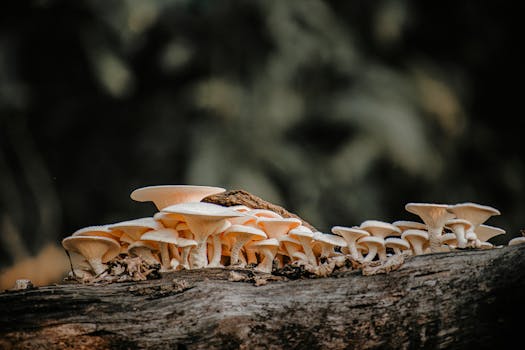
For a visual exploration of esporas, take a look at this informative video:
Understanding the biology of these resilient life forms is both a journey through the intricacies of nature and a bridge to cross-cultural communication. The study of esporas offers valuable insights into the continuity of life and the necessity of sturdy defenses against environmental challenges.