Upcycling is more than just a buzzword; it’s a creative and sustainable practice that breathes new life into old materials. By repurposing discarded items, we not only reduce waste but also add a unique touch to our living spaces.
Table of Contents
- What is upcycling?
- How can you start upcycling at home?
- What are some easy upcycling ideas for beginners?
- What is the difference between upcycling and recycling?
- What are the environmental benefits of upcycling?
- How to upcycle furniture effectively?
- What are popular upcycling projects for kids?
- What is upcycling fashion and why is it important?
- Related questions about upcycling
What is upcycling?
At its heart, upcycling is the process of transforming by-products, waste materials, or unwanted products into new materials or products of better quality and environmental value. It’s a form of creative reuse that stands out from recycling because it doesn’t degrade the original materials. Instead, it enhances their quality and value.
One of the joys of upcycling is the endless possibilities it offers. From turning old ladders into bookshelves to crafting jewelry from scrap metal, the only limit to upcycling is your imagination. Not only does it foster creativity, but it also contributes to a more sustainable lifestyle.
Many individuals and organizations are already embracing upcycling. Companies like Wallace Guitars are known for their guitars made from reclaimed wood, and initiatives like Habitat for Humanity’s ReStores sell upcycled goods to fund their mission of building affordable housing.
How can you start upcycling at home?
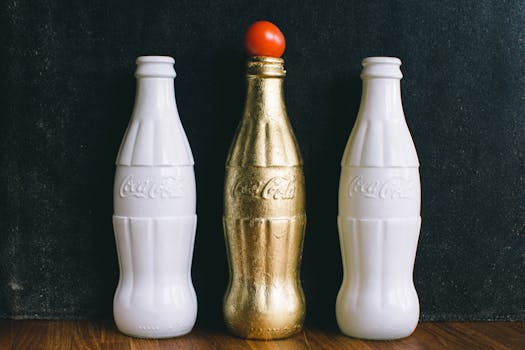
Starting your upcycling journey at home is easier than you might think. Begin by identifying items you no longer use and envisioning how they might serve a new purpose. Whether it’s repainting an old chair or converting glass bottles into vases, look at objects not for what they are but for what they could become.
Simple tools and supplies such as paint, glue, and fabric can be used to transform these items. You can gain inspiration from online communities, forums, and social media, where many upcyclers share their projects and ideas.
Remember, upcycling should be fun and personal. Start with projects that match your skill level and interests. As you gain confidence, you can take on more complex upcycling endeavors.

What are some easy upcycling ideas for beginners?
- Convert jars and cans into planters or pencil holders
- Transform an old t-shirt into a tote bag or pillowcase
- Upcycle wooden pallets into coffee tables or garden furniture
- Turn old picture frames into serving trays or message boards
- Repurpose a ladder into a bookshelf or towel rack
What is the difference between upcycling and recycling?
Upcycling vs recycling—while both practices promote environmental sustainability, they are not the same. Upcycling involves elevating the quality of the material without breaking it down, whereas recycling involves breaking down materials to their raw form before remaking them into new products.
Recycling often requires energy and resources for processing, but upcycling can often be done at home with minimal resources. This key difference also means that upcycled products are typically more unique and can have a higher value than recycled goods.
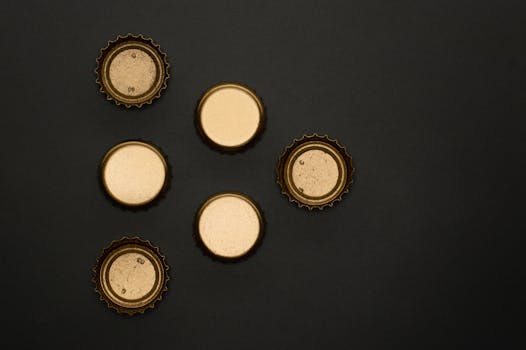
By choosing upcycling, we not only reduce the strain on recycling systems but also create one-of-a-kind items that reflect our individual style and creativity.
What are the environmental benefits of upcycling?
Upcycling’s environmental benefits are numerous. It reduces the amount of waste that ends up in landfills and minimizes the consumption of new resources. It can also save energy, as creating products from scratch often requires more energy than repurposing existing items.
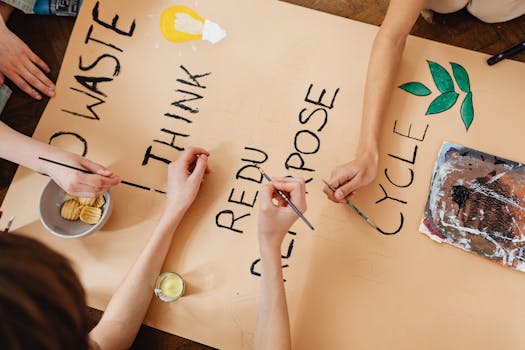
Moreover, upcycling can help reduce air and water pollution associated with manufacturing new goods. By turning something old into something new, we reduce the demand for production that can have harmful environmental impacts.
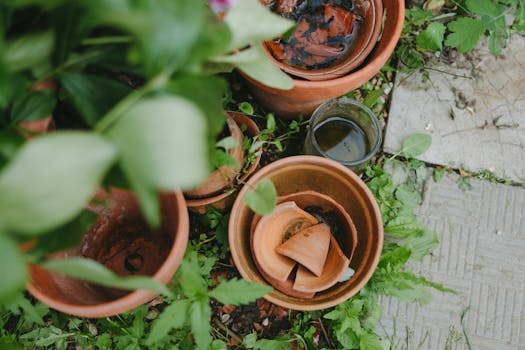
Finally, upcycling supports a more sustainable economy. It encourages local craftsmanship and can create unique business opportunities for those who turn upcycling into a profession.
How to upcycle furniture effectively?
Upcycling furniture is one of the most popular and impactful ways to apply upcycling. To start, choose a piece of furniture that is structurally sound but could use aesthetic improvement. Sanding down the surfaces and applying a fresh coat of paint can work wonders.

Consider changing the hardware or adding decorative elements for a more dramatic transformation. Use techniques like stenciling, decoupage, or reupholstering to add personal flair.
Remember, creative upcycling ideas for furniture don’t have to be complicated; sometimes, the most effective upcycling is the simplest. Just changing the function of a piece of furniture, like converting a dresser into a kitchen island, can be incredibly effective.
What are popular upcycling projects for kids?
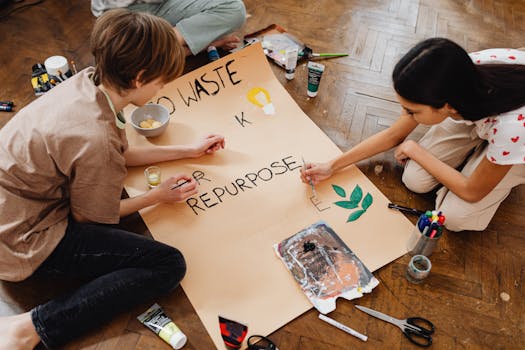
Kids can enjoy upcycling too! Simple projects like turning toilet paper rolls into seed starters or making musical instruments from old containers can be fun and educational. It’s a fantastic way to teach children about eco-friendly upcycling projects for kids and sustainability.

Other projects can include creating art from scrap paper, making homemade playdough containers from old jars, or building a fort out of cardboard boxes. Encouraging kids to use their imagination not only nurtures their creativity but also instills eco-conscious values.
By involving kids in upcycling projects, you can help them develop problem-solving skills and an appreciation for the environment.
What is upcycling fashion and why is it important?
Upcycling fashion involves repurposing old clothing or textiles into new, fashionable items. It’s a response to the fast fashion industry, which is notorious for its negative environmental impact due to mass production and a high rate of disposal.
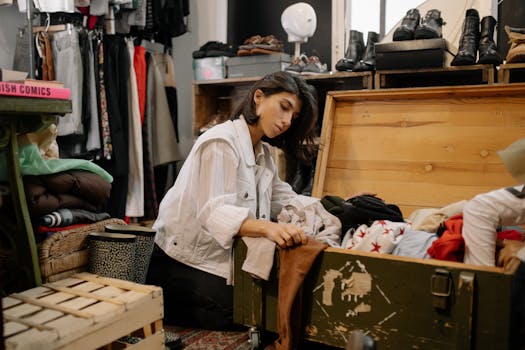
Upcycling fashion not only reduces waste but also provides an avenue for expressing individual style. By customizing pre-loved garments or combining different pieces, fashion upcyclers create unique, eco-friendly outfits.

Moreover, upcycling fashion can challenge the industry’s norms, promoting a more sustainable and thoughtful approach to what we wear. By choosing upcycled fashion, consumers can make a statement about their values and the kind of world they want to live in.
Related questions about upcycling
What is upcycling vs. recycling?
Upcycling involves creatively repurposing items without breaking them down into their raw materials, while recycling involves breaking down items into raw materials to create new products. Upcycling typically requires less energy and can be done at home, resulting in more unique and personal items.
Both practices are important for sustainability, but upcycling offers an additional layer of creativity and individual expression. It allows people to give a second life to items that might otherwise be discarded, reducing waste and promoting responsible consumption.
What is an example of upcycling?
An example of upcycling could be taking an old wooden ladder and converting it into a chic bookshelf. This not only provides a functional piece of furniture but also adds character and history to your home decor.
Another example is using old glass bottles as candle holders or vases, which not only saves them from the landfill but also creates a unique aesthetic in your living space.

What is the meaning of upcycling?
The meaning of upcycling lies in its ability to repurpose and enhance the value of old items. It’s a sustainable process that encourages creativity and thoughtful consumption, differentiating itself from recycling by focusing on adding value without breaking down materials.

It’s about seeing the potential in what others might consider waste and transforming it into something new and improved.
What is the easiest thing to upcycle?
The easiest thing to upcycle may vary depending on personal skills and available materials, but common items include jars, cans, t-shirts, and furniture. These items are typically easy to work with and can be transformed with simple tools and a bit of imagination.
For instance, jars and cans can become planters, t-shirts can turn into tote bags or pillowcases, and a fresh coat of paint can revitalize a piece of furniture.