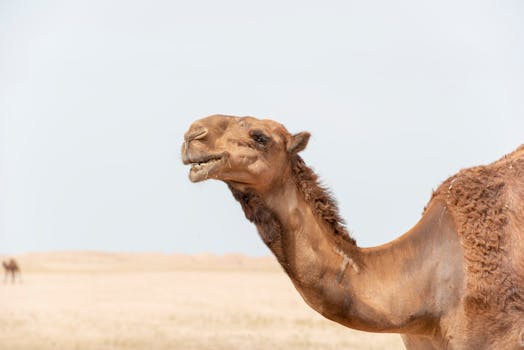
Camels and dromedaries, though often used interchangeably in casual conversation, are distinct animals with fascinating differences. Their unique adaptations allow them to thrive in some of the harshest climates on Earth. In this article, we will delve into the characteristics that set them apart from one another, offering a comprehensive exploration of their physical traits, habitats, and survival strategies.
Table of Contents
- Differences between camels and dromedaries
- What are the key differences between camels and dromedaries?
- How many humps does a dromedary have?
- Why is a camel more docile than a dromedary?
- What are the habitat differences between camels and dromedaries?
- What physical characteristics distinguish camels from dromedaries?
- How are camels and dromedaries adapted to their environments?
- What is the significance of the number of humps in camels and dromedaries?
- Related questions on camels and dromedaries
Differences between camels and dromedaries
The primary difference between camels and dromedaries is the number of humps on their backs. Camels, specifically the Bactrian species, have two humps, whereas dromedaries have only one. These humps are filled with fat deposits that are utilized as energy reserves during long periods without food.
Another significant distinction lies in their geographical distribution. Bactrian camels are native to the cold steppes of Central Asia, while dromedaries are found in the hot deserts of the Middle East and North Africa. This difference in habitat has led to several physical and behavioral adaptations that are key to their survival.
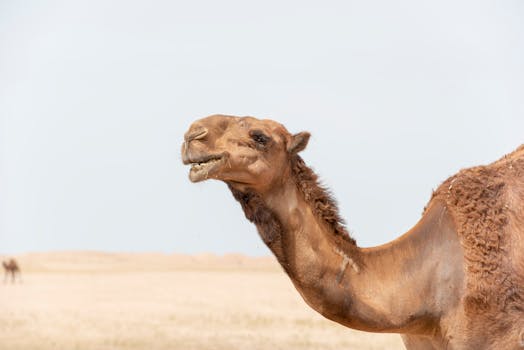
The fur of the Bactrian camel is thick and woolly, which helps insulate them from the cold, while dromedaries have shorter, lighter fur suited for heat dissipation in arid environments. Additionally, dromedaries tend to be taller and faster, an advantage when escaping predators in open landscapes.
What are the key differences between camels and dromedaries?
Alongside the hump count and habitat, behavioral differences are notable. Camels are generally more docile and heavier, making them ideal for transport and labor in tough terrains. Dromedaries are often quicker and can show more aggressive behaviors, which might be an adaptation to the challenges of living in desert environments.

These differences extend to their physical characteristics as well. For instance, dromedaries have longer legs, narrower feet, and a broader range of vision, which are all beneficial traits for detecting and escaping from dangers in the desert.
Camels and dromedaries also have remarkable physiological adaptations, such as the ability to fluctuate their body temperature to minimize water loss, and their red blood cells are oval, allowing them to hydrate quickly without damaging their cells.
How many humps does a dromedary have?
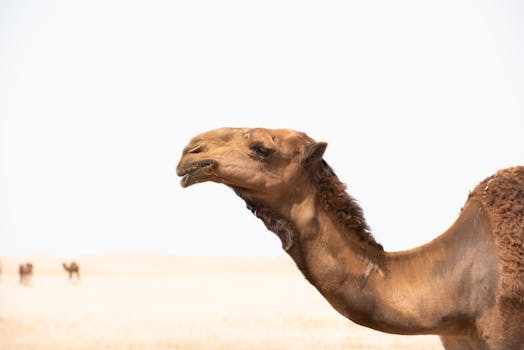
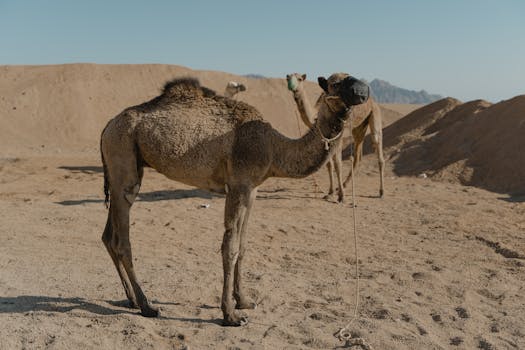
The dromedary, also known as the Arabian camel, has a single hump. This distinctive feature helps it store fat which can be converted into water and energy when sustenance is scarce.
These humps are not only functional but also culturally iconic, symbolizing the ability to endure and adapt to the harshest conditions.

Dromedaries have become an indelible part of the landscapes they inhabit, and their single hump is an instantly recognizable silhouette against the vast horizons of deserts.
Why is a camel more docile than a dromedary?
The temperament of camels is generally calmer than that of dromedaries, which may be linked to their domestication history and the environmental pressures they face.

Camels, having been domesticated for use in colder climates with rough terrains, had to be cooperative for tasks like carrying heavy loads over long distances.
In contrast, dromedaries evolved in open deserts where they needed to be more alert and reactive to survive, possibly leading to their heightened aggression and quick responses to threats.
What are the habitat differences between camels and dromedaries?
The habitat of camels and dromedaries reflects their remarkable adaptations to climate extremes. Bactrian camels are suited for the cold deserts of Central Asia with their thick fur, while dromedaries are perfectly adapted for life in the hot, arid regions of the Middle East and North Africa.
Their habitats have shaped not only their physical appearance but also their behavioral patterns and reproductive strategies. For example, Bactrian camels have a slower reproductive rate, which is common among animals in colder regions, whereas dromedaries breed more frequently, a trait often seen in species from warmer climates.
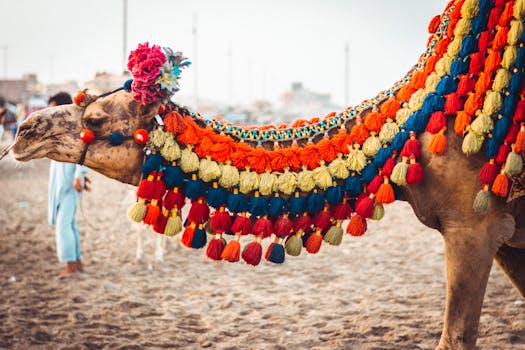
The availability of water and vegetation also plays a crucial role in their distribution, with each species having evolved distinctive ways of maximizing the scarce resources of their respective environments.
What physical characteristics distinguish camels from dromedaries?
Camels and dromedaries show a range of physical differences. Bactrian camels have two humps and a heavier build, with dense fur that protects them from cold winds and snow. Their feet are wide and padded, aiding in traversing rocky ground.

Dromedaries are leaner with a single hump and have longer limbs, which help them navigate sandy dunes with ease. Their feet are more compact, preventing them from sinking into the desert sand as they walk.

Both creatures have large eyes with long lashes, providing protection from sand and the sun, and their nostrils can close to block dust during storms. Yet, these adaptations are fine-tuned to each species’ specific environmental challenges.
How are camels and dromedaries adapted to their environments?
Camels and dromedaries exhibit numerous adaptations that allow them to survive in some of the most extreme environments on Earth. These include their ability to consume a variety of vegetation, their water conservation techniques, and their physical endurance.
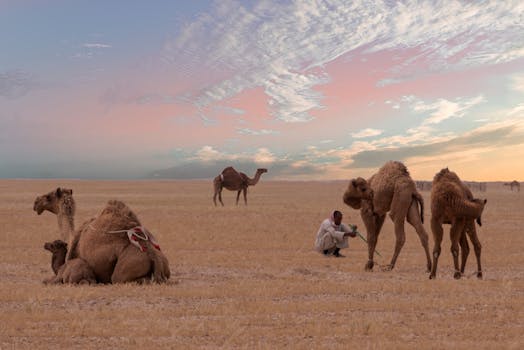
One of their most impressive adaptations is their capacity to lose a significant amount of body water without suffering from dehydration. They can drink up to 40 gallons of water in one go and go for weeks without needing to drink again.
Additionally, their humps, as mentioned earlier, store fat which can be metabolized for water and energy. This allows them to travel long distances without food, a critical ability in environments where resources are sparse.
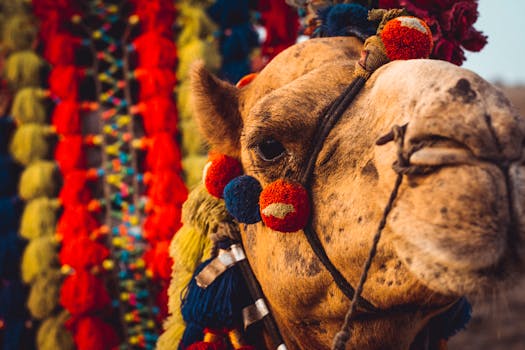
What is the significance of the number of humps in camels and dromedaries?
The number of humps in camels and dromedaries is not a mere physical trait but a key evolutionary feature that signifies their adaptation to different habitats. The humps of the Bactrian camel provide an additional reserve of nutrients and insulation, vital for surviving the cold desert nights.
Dromedaries, with their single hump, have a more streamlined shape that helps dissipate heat effectively, a necessary adaptation for the scorching desert days.
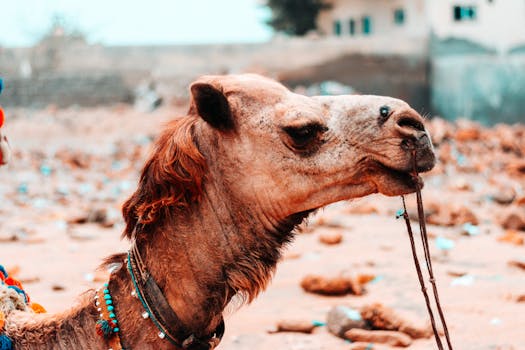
The functionality of these humps highlights the ecological significance of such features in relation to their survival strategies and the challenges posed by their climates.
Related questions on camels and dromedaries
What is the difference between a camel and a dromedary?
When distinguishing between a camel and a dromedary, the most apparent difference is the number of humps on their backs—a camel has two, and a dromedary has one. Other differences include their geographical distribution, with camels found in Central Asia and dromedaries in the Middle East and North Africa, as well as variations in size, fur thickness, and behavioral traits.
These differences are a testament to their specialized adaptations, which have evolved over millennia to ensure their survival in diverse and demanding ecosystems.
Which has two humps, the camel or the dromedary?
The camel, specifically the Bactrian camel, is the species that boasts two humps. These humps serve as energy reserves, allowing the camel to thrive in the harsh Central Asian climate where food can be scarce.
Understanding the role of these humps in the camel’s survival is fundamental in appreciating the evolutionary marvels of these resilient creatures.

When is it a camel and when is it a dromedary?
The terminology can be a bit confusing, as “camel” is often used to describe both Bactrian camels and dromedaries. However, the term “dromedary” refers specifically to the one-humped camel species that resides in hot deserts. The Bactrian camel, with two humps, is the one adapted to colder climates.
Both are members of the Camelus genus but have developed different characteristics to suit their respective environments.

Is a dromedary the same as a camel?
Though dromedaries are a type of camel, they are not the same as their Bactrian relatives. The term “camel” encompasses both species, but each has distinct traits, habitats, and adaptations that differentiate them. While dromedaries have a single hump and are built for hot deserts, Bactrian camels have two humps and are equipped to handle cold steppes.
These distinctions are crucial for the accurate identification and understanding of these remarkable animals.