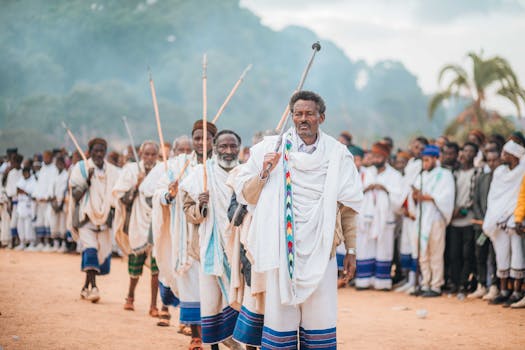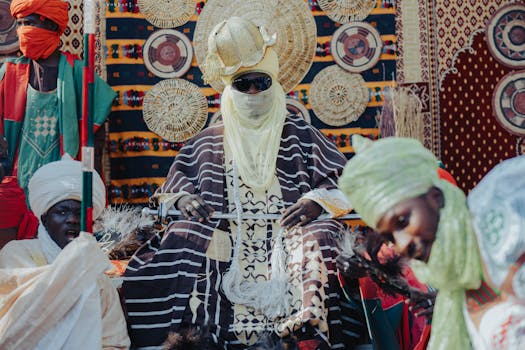
Africa is a continent rich in cultural diversity, with many tribes that boast unique traditions and ways of life. From the striking attire of the Maasai to the hunter-gatherer lifestyle of the San or Bosquimanos, each tribe offers a window into the complex tapestry of human civilization. In this exploration of tribus africanas, we delve into their names, meanings, and customs, offering a glimpse into their vibrant cultural heritage.
Table of Contents
- What are the names of the most notable African tribes?
- What are the characteristics of Bosquimanos?
- How do the Tuareg differ from other African tribes?
- What makes the Zulu tribe unique?
- Understanding the Himba tribe’s traditions
- What are the distinct features of the Pigmeos?
- Exploring the Maasai: one of the most known African tribes
- What is the significance of the Daasanach tribe?
- Related questions about the diverse cultures and lifestyles of African tribes
What are the names of the most notable African tribes?
The African continent is home to hundreds of tribes, each with their own distinct identity. Some of the most notable African tribes include the Maasai, known for their pastoralism and warrior culture, and the Zulu, famous for their historical prowess and influence in Southern Africa. Others include the San, also known as the Bosquimanos, who are one of the oldest peoples on Earth, and the Himba of Namibia, recognized for their red ochre body paint and intricate customs.
Each tribe has a name that carries deep meaning, often linked to their ancestral lands, cultural practices, or historical achievements. The Tuareg, sometimes called the “blue people” for their indigo-dyed clothing, roam the Saharan regions with a unique nomadic grace. The Ashanti of West Africa are known for their rich gold resources and complex social structures.
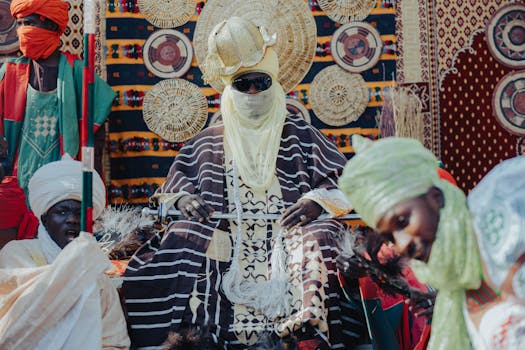
Among these, the names of tribes such as the Daasanach, who adorn themselves with elaborate jewelry made from recycled materials, and the Pygmies, known for their forest-dwelling lifestyle, resonate with the diverse cultural heritage of African tribes.
What are the characteristics of Bosquimanos?
The San people, commonly referred to as the Bosquimanos, are one of the most fascinating tribus africanas. They are characterized by their ancient language that uses a rich variety of click sounds, and their remarkable ability to live harmoniously with the harsh environment of the Kalahari Desert. Their knowledge of flora and fauna is unrivaled, as is their skill in hunting and gathering, which has sustained them for millennia.
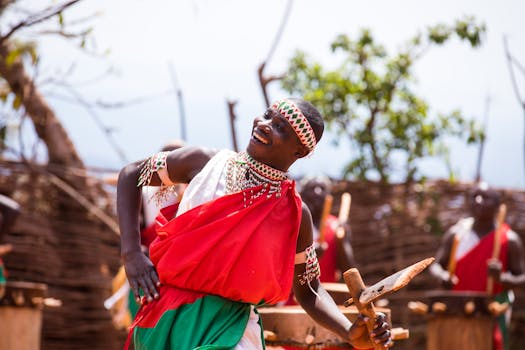
Distinctively, the Bosquimanos create intricate rock art, which is not only beautiful but also serves as a historical record of their beliefs and lifestyle. Their social structure is egalitarian, with decisions often made collectively, emphasizing the importance of community and cooperation.
Their attire is adapted to the desert climate, often made from animal skins, and their unique crafts include skillfully crafted jewelry and tools. Despite facing modern challenges, the Bosquimanos maintain a strong connection to their ancestral traditions.
How do the Tuareg differ from other African tribes?
- Nomadic lifestyle: The Tuareg are largely nomadic, moving across the Sahara in search of pastures for their livestock.
- Matrilineal society: In contrast to many other tribes, Tuareg inheritance and leadership often pass through the female line.
- Indigo-dyed clothing: Their distinctive blue attire, which stains the skin, has earned them the moniker “blue people.”
- Alphabet: The Tuareg have their own alphabet, Tifinagh, which has been used for centuries.
- Music: They are also known for their rich musical heritage, which includes the enchanting sounds of the imzad and other traditional instruments.
What makes the Zulu tribe unique?
The Zulu tribe, originating from South Africa, is one of the most widely recognized African tribes, largely because of their history and influence. Under the leadership of Shaka Zulu in the early 19th century, they established themselves as a formidable military force. Their traditional crafts, such as beadwork, basketry, and shield making, are not only beautiful but also hold significant cultural meanings.
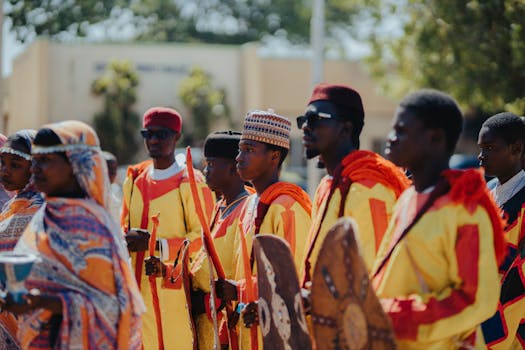
Zulu customs are deeply rooted in respect for ancestors and the spirit world, with elaborate rituals and ceremonies to honor them. The Zulus have a complex social structure and are known for their vibrant dances and expressive language, rich in proverbs and stories passed down through generations.
Despite the changes brought by modernity, the Zulus hold tight to their unique identity, with many still practicing age-old customs and living in traditional homesteads called kraals.
Understanding the Himba tribe’s traditions
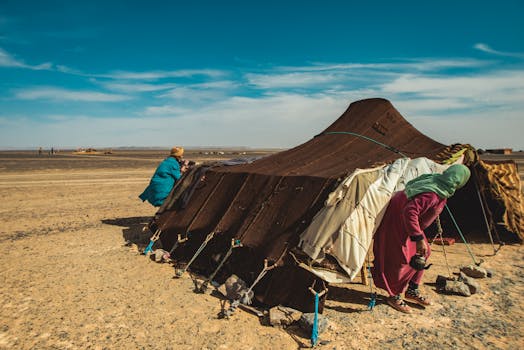
The Himba tribe of Namibia is renowned for their distinctive appearance and adherence to ancestral ways of life. The Himba women cover their skin with a mixture of butterfat and ochre to protect it from the sun, which gives their skin a characteristic red hue. This practice is not only functional but also holds aesthetic and symbolic value within their community.
The Himba are semi-nomadic pastoralists, herding cattle and goats through the arid landscapes of northwestern Namibia. Their homes are simple, cone-shaped structures made from palm leaves, mud, and cattle dung. Family and kinship are the pillars of Himba society, with lineage and inheritance traced through paternal lines.
Hair and adornment play a significant role among the Himba, with hairstyles indicating age and social status. Their customs and traditions are a testament to the tribe’s resilience in preserving their culture amidst external influences.
What are the distinct features of the Pigmeos?
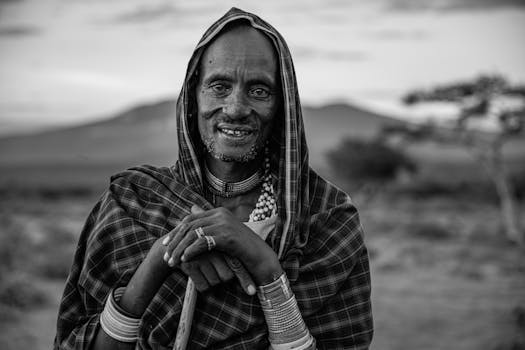
The term “Pygmies” is often used to describe various ethnic groups whose average height is unusually short, and who live in the rainforests of Central Africa. Among these groups, the Baka, Mbuti, and Twa are the most well-known. They are renowned for their intimate knowledge of the forest and for living a hunter-gatherer lifestyle that is in tune with nature.
Their musical tradition is particularly rich, with complex polyphonic singing and a wide variety of musical instruments. This music plays a central role in rituals and social gatherings, helping to maintain the cohesion of these tightly-knit communities.
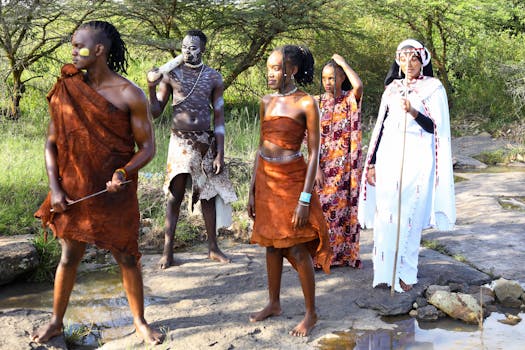
The Pygmies have also developed sophisticated hunting techniques and an extensive pharmacopoeia of medicinal plants, reflecting a profound understanding of their environment. However, their way of life is under threat due to deforestation and the encroachment of modernization.
Exploring the Maasai: one of the most known African tribes
The Maasai are perhaps one of the most iconic tribes associated with Africa, often recognized for their tall, slender physiques, distinctive red clothing, and intricate beadwork. Living across Kenya and Tanzania, the Maasai are traditionally pastoralists, placing great value on their cattle, which are a source of food and a measure of wealth.
Their social structure is hierarchical, with a system of age sets that dictate an individual’s role and responsibilities within the community. The Maasai are also known for their jumping dance, called the “adumu,” which is a central part of their ceremonies and a rite of passage for young warriors.
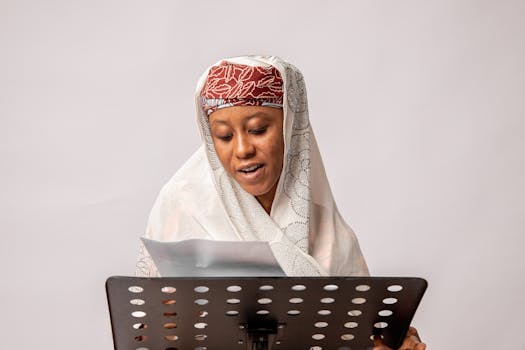
Although they face numerous challenges, including land rights issues and climate change, the Maasai are active in preserving their customs and integrating sustainably with the modern world.
What is the significance of the Daasanach tribe?
The Daasanach tribe inhabits the area around the Omo River in Ethiopia, and they are known for their intricate hairstyles and vibrant culture. They are a Cushitic tribe that places a strong emphasis on community cohesion and collaboration.
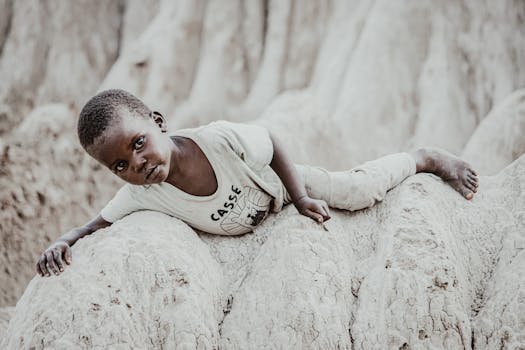
One of the most striking aspects of the Daasanach is their use of recycled materials to create stunning adornments and headdresses. They transform everything from bottle caps to watch straps into elaborate and meaningful decorations that are worn with pride.
As pastoralists, the Daasanach historically relied on cattle, but due to changing environmental conditions, they have adapted to cultivate crops and fish from the Omo River. This adaptability is a testament to their resilience and innovative spirit.
Related questions about the diverse cultures and lifestyles of African tribes
What are the 12 tribes of Africa?
While there are many more than 12 tribes in Africa, some of the most well-known include the Zulu, Maasai, Himba, San, Tuareg, Ashanti, Yoruba, Igbo, Berber, Dinka, Samburu, and Fulani. Each tribe has its own unique culture, language, and customs that contribute to the rich diversity of the continent.
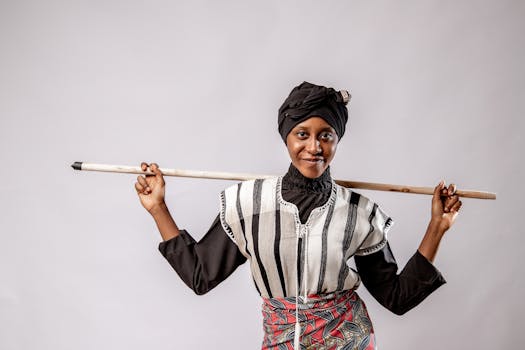
These tribes vary widely in terms of their social structures, religious beliefs, and economic activities, showcasing the breadth of human adaptability and ingenuity.
Are there still African tribes?
Yes, there are still many African tribes that exist today, maintaining their traditional ways of life while also adapting to modern changes. These tribes continue to practice their customs, speak their languages, and pass down their heritage to new generations, despite facing challenges such as globalization and political conflicts.
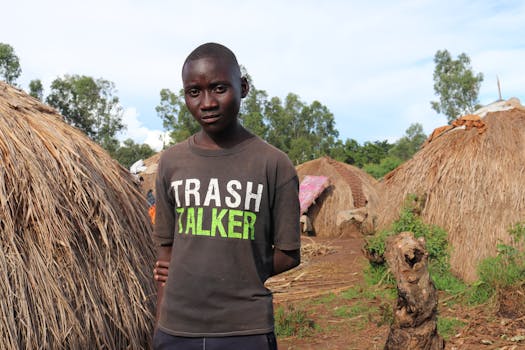
Traditions of African tribes are a living, evolving aspect of the continent’s identity, reflecting a continuity with the past as well as a dynamic engagement with the present.
Which tribe is the oldest tribe in Africa?
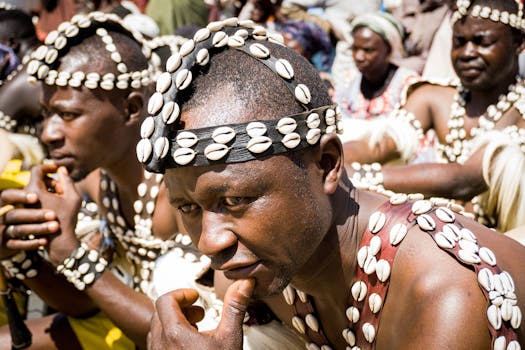
The San, also known as the Bushmen or Bosquimanos, are often considered to be the oldest tribe in Africa, with genetic studies suggesting a lineage that goes back tens of thousands of years. Their rock art and archaeological evidence provide insights into their ancient history and longevity on the continent.
Their survival and persistence through the ages are remarkable, and they remain a key part of Africa’s deep-rooted human history.
What is the biggest tribe in Africa?
The Hausa of West Africa is typically cited as one of the biggest tribes in Africa, with a population of over 30 million people. They are primarily located in Nigeria and Niger but have a widespread presence across several other West African countries.
Their language, Hausa, is one of the most spoken languages on the continent, serving as a lingua franca in much of the Sahel region.