The African savanna is one of the most iconic ecosystems in the world, renowned for its diverse wildlife and sprawling landscapes. This vast region, stretching across the continent, is home to some of the most remarkable species on the planet, playing a crucial role in our global biodiversity.
Table of Contents
- What are the main animals found in the African savanna?
- How do animals adapt to the African savanna climate?
- What are the predator-prey relationships in the savanna?
- Which herbivores are common in the African savanna?
- What is the importance of biodiversity in the savanna ecosystem?
- How are human activities impacting savanna animals?
- Related questions about savanna animals
What are the main animals found in the African savanna?
When one thinks of the African savanna, certain key species immediately come to mind. This environment, characterized by its grasslands and sparse trees, is the natural habitat for a variety of animals de la sabana.
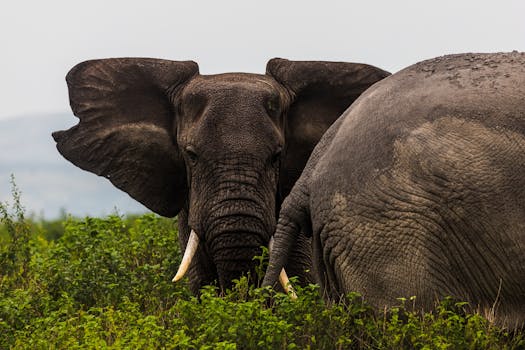
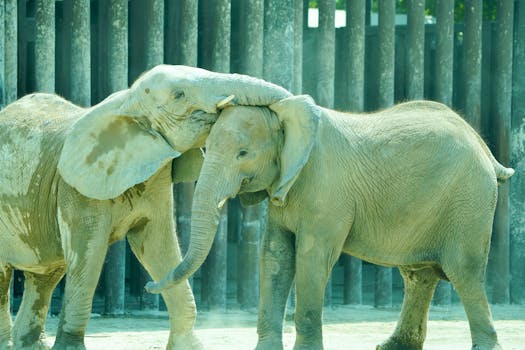
Among them, the majestic elephants stand out, known for their impressive size and social structure. Close behind in notoriety are the giraffes, whose long necks are synonymous with the African landscape. Not to be overlooked, of course, are the lions, apex predators and symbols of strength and royalty. The savanna is also home to the swift-footed zebras, as well as the sturdy and resilient rhinoceroses.
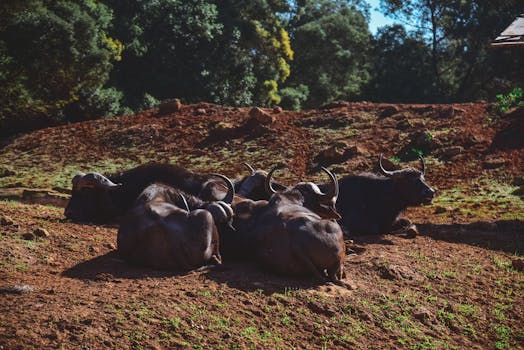
These animals not only contribute to the savanna’s charm but are also vital pieces of the ecosystem, with each fulfilling a specific role. From herbivores like zebras that maintain the grasslands through grazing to predators like lions that keep herbivore populations in check, each species is essential.
How do animals adapt to the African savanna climate?
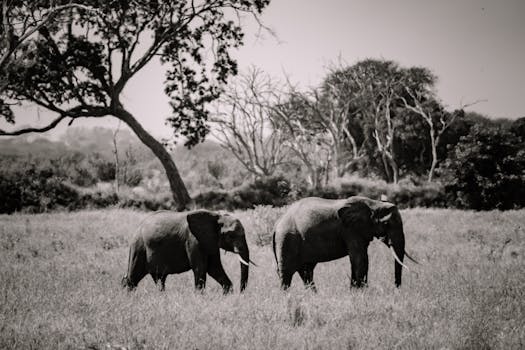
The climate of the African savanna is marked by seasonal rains and periods of drought, requiring animals to be remarkably adaptive to survive. Elephants, for instance, have evolved to travel long distances in search of water. Meanwhile, many species, such as gazelles, have developed keen senses and agility to evade predators and cope with the harsh conditions.
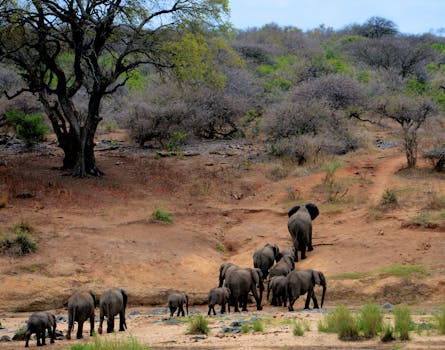
Giraffes have adapted to feed on the leaves of tall trees that other herbivores can’t reach, while their spotted coats offer camouflage amongst the dappled light of the savanna. Animals like the warthog, on the other hand, are able to survive by burrowing to escape the heat and predators.
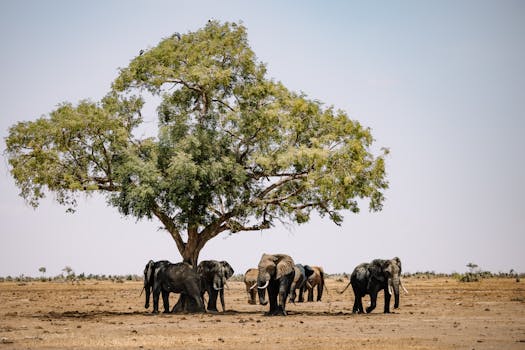
Adaptations are not only physical but behavioural as well. Many animals of the savanna have migration patterns that coincide with the rainy and dry seasons, ensuring they can always find sufficient food and water.
What are the predator-prey relationships in the savanna?
The savanna biome is a prime example of complex predator-prey dynamics. Lions, leopards, and hyenas are among the predators of the savanna, each employing different strategies to hunt.
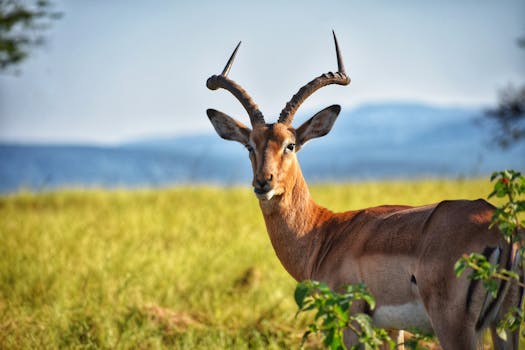
For instance, lions often work in prides to corner and take down large herbivores like wildebeests. Cheetahs, utilizing their unmatched speed, opt for smaller, more agile prey. Hyenas, often scavengers, are also proficient hunters that can take down prey collectively.
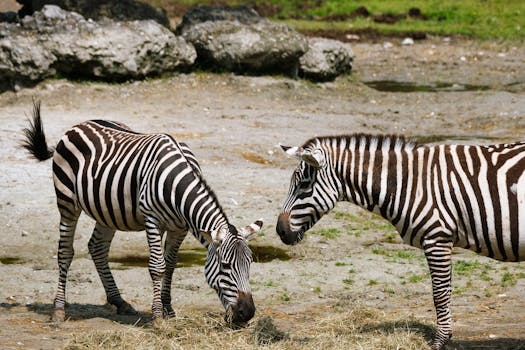
On the other side, herbivores possess their own set of defensive adaptations. Zebras have stripe patterns that confuse predators during a chase, while wildebeests are constantly on the move, migrating in large herds for safety in numbers.
Which herbivores are common in the African savanna?
- Elephants: Known for their massive size and intelligence.
- Giraffes: The tallest mammals on Earth, with an appetite for acacia leaves.
- Zebras: Recognizable by their unique stripe patterns, which differ in each individual.
- Wildebeests: These mammals are famous for their massive migratory herds.
- Rhinoceroses: Despite their tough exterior, they are highly vulnerable to poaching.
What is the importance of biodiversity in the savanna ecosystem?
Biodiversity is the cornerstone of a healthy and functioning ecosystem, and the African savanna is no exception. Each species, from the smallest insect to the largest mammal, plays a role in maintaining the delicate balance of life here.

For instance, herbivores manage the growth of grasses and disperse seeds, helping to shape the landscape. Predators control herbivore populations, preventing overgrazing and allowing various plant species to flourish, which in turn supports a host of other wildlife.
Biodiversity also contributes to the resilience of the ecosystem, allowing it to withstand and recover from changes and disruptions. This diversity is a testament to the incredible adaptability of life in the savanna.
How are human activities impacting savanna animals?
Human activities have had significant impacts on the wildlife conservation in the savanna. Habitat destruction due to agriculture expansion, the construction of roads and settlements, and illegal poaching are among the biggest threats to savanna animals.
Initiatives to protect these species include anti-poaching laws, wildlife reserves, and community-based conservation efforts. Educational programs also play a crucial role in raising awareness about the importance of these animals and the challenges they face.
Despite these efforts, the struggle continues, and it’s imperative that we understand the human impact on these ecosystems to mitigate our footprint and ensure the survival of the diverse species that call the savanna home.
Related questions about savanna animals
What animals are found in the savanna?
The savanna is a diverse habitat that hosts a wide variety of wildlife. Some of the most iconic species include the elephant, known for its intelligence and complex social structures, the giraffe with its towering height and long neck for reaching high foliage, and the lion, often referred to as the king of the jungle. Each of these animals is adapted to life in the savanna’s unique climate and plays a role in the ecosystem’s health.
Other common savanna residents include the cheetah, the fastest land animal, and the hyena, a skilled hunter and scavenger. The savanna is also home to numerous species of birds, reptiles, and insects, each contributing to the ecosystem’s balance.
What animals live in the savanna?
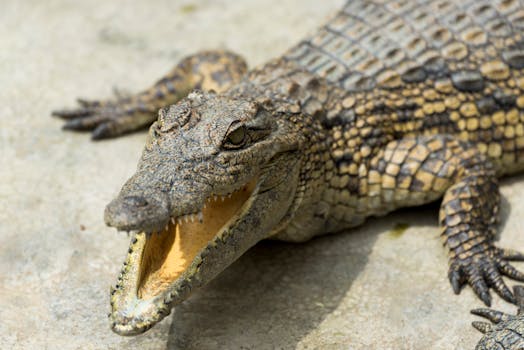
Apart from the well-known mammals, the savanna supports an abundant bird population, including species like the ostrich, the world’s largest bird, and various birds of prey that keep rodent populations in check. Reptiles such as crocodiles and various snake species also inhabit this biome, each playing their part in the food web.
Insects are not to be overlooked, as they are crucial pollinators and a food source for many other animals. Termites, for example, build towering mounds that become microhabitats for various other species.
What are 15 animals from Africa?
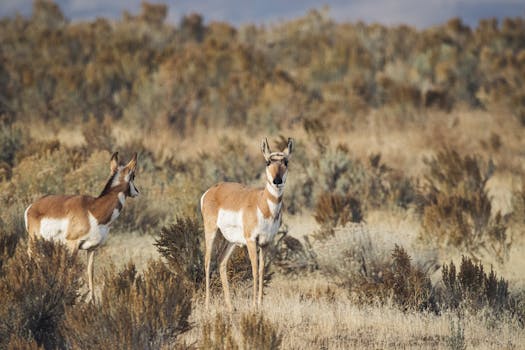
Africa’s rich biodiversity is showcased through its numerous animal species, each intriguing and valuable. Fifteen notable African animals include the elephant, lion, giraffe, rhinoceros, zebra, hippopotamus, cheetah, leopard, wildebeest, hyena, ostrich, crocodile, meerkat, pangolin, and the african wild dog. These animals are often the focus of conservation efforts due to their ecological importance and the threats they face from human activities.
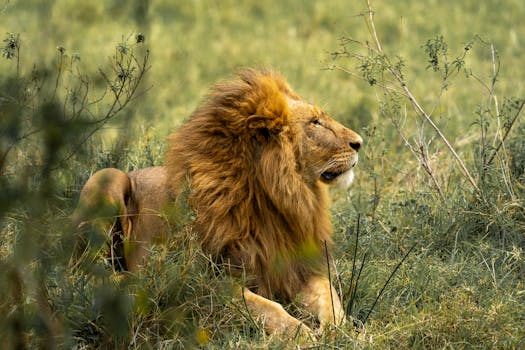
Each species has unique characteristics and adaptations that allow it to survive and thrive in the various African ecosystems, from the dense jungles to the open savanna.
What are the big five of the savanna?
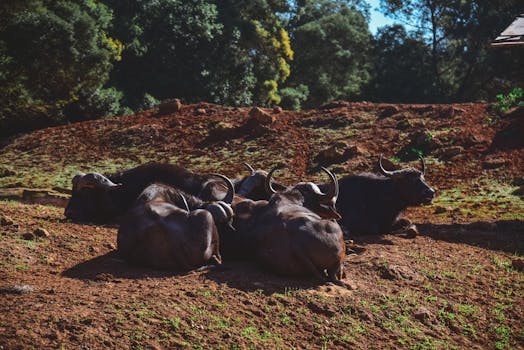
The “Big Five” refers to five of Africa’s most famous and sought-after wildlife species by tourists and wildlife enthusiasts. These include the elephant, lion, buffalo, leopard, and rhinoceros. The term was originally used by hunters to describe the five most difficult animals to hunt on foot, but it has since become a term used by conservationists and in ecotourism to highlight the significance of these animals and the need to protect them.
The presence of the Big Five is often seen as a marker of a healthy and robust savanna ecosystem, and they play an influential role in the tourism industries of many African countries.

To enrich the understanding of the African savanna and its fascinating wildlife, here’s a glimpse into the lives of these incredible animals through several videos.
As you explore the wonders of the African savanna, consider the delicate balance of life and the importance of each species in this intricate ecosystem. Whether it’s the towering giraffe or the stealthy lion, each animal contributes to the savanna’s allure and the earth’s biodiversity. By understanding and respecting these creatures, we can take steps to ensure their survival for generations to come.