Spain’s coastline is adorned with magnificent capes, each with its own unique allure and story. From the volcanic landscapes of Cabo de Gata to the pilgrim’s finale at Cabo de Finisterre, these “cabos de España” are not just geographical landmarks but also cultural and ecological treasures.
Table of Contents
The most significant capes of Spain
Spain’s coastline is a treasure trove of scenic beauty, with capes that offer more than just stunning views. Each cape, or “cabo,” holds a story, intertwined with Spain’s rich history and diverse ecology. Among the most notable is Cabo de Gata, known for its unique volcanic rock formations and status as a UNESCO Biosphere Reserve. Here, the arid climate has given rise to a unique ecosystem, with flora and fauna not found anywhere else in Spain.
Travelers seeking a journey’s end often find themselves at Cabo de Finisterre, a name that translates to “end of the world.” This cape is famed for its dramatic cliffs and is considered the final destination for many who trek the Camino de Santiago. The sense of conclusion and reflection it provides to pilgrims has made it an iconic location.

Further enhancing the diversity of Spanish capes is Cabo de Palos, a hotspot for divers due to its marine biodiversity. The underwater landscapes here are a diver’s paradise, teeming with life and color. Meanwhile, the northern capes such as Cabo de Creus and Cabo de Ortegal boast geological wonders and stunning vistas that have captivated artists and nature lovers alike.
Cabos de España for the perfect getaway
For those looking to escape the daily grind, Spain’s capes offer an array of destinations. Each cabo has its own unique charm, whether you’re looking for tranquil beaches, adventurous hiking trails, or just a place to soak in the panoramic views. The coastal landscapes of Spain are picturesque and varied, from secluded coves to expansive sandy beaches framed by rugged cliffs.

Consider the serene best cabos for tourism, such as Cabo de Trafalgar, where history whispers through the winds that once saw a famous naval battle. Or perhaps the peaceful Cabo de Nao, where the Mediterranean Sea greets you with open arms. These spots not only provide a respite from the hustle and bustle but also offer a taste of Spain’s coastal culture and gastronomy.

- Cabo de Trafalgar: Historic battle site and serene beaches
- Cabo de Nao: Breathtaking Mediterranean vistas
- Cabo de Estaca de Bares: Where the Atlantic Ocean meets the Bay of Biscay
- Cabo de Peñas: Asturias’ rugged coastal beauty
Exploring Cabo de Gata
Nestled in the southeastern part of Spain, Cabo de Gata stands as a natural wonder. This protected natural park is not just a haven for endemic species but also a sanctuary for travelers seeking a harmonious blend of nature and leisure. The clear waters of the Mediterranean Sea and the pristine beaches, such as Playa de los Muertos, offer a tranquil retreat.
When visiting Cabo de Gata, one is also stepping into geologic history. The volcanic origins of the area have sculpted the landscape into a dramatic backdrop that is both harsh and beautiful. The arid climate has shaped an ecosystem that is rich in biodiversity, making it an ecological gem within Spain.

While here, don’t miss the chance to explore the charming villages that dot the region, such as San José and Las Negras. These communities offer a glimpse into the local way of life and provide opportunities to indulge in fresh seafood and traditional Andalusian cuisine.
The allure of Cabo de Finisterre
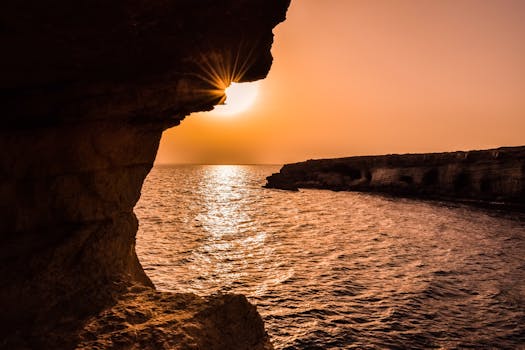
The name Finisterre speaks of an ancient belief that this was where the world ended. Cabo de Finisterre is not only a place of natural beauty but also of spiritual significance. As the historical final stage of the Camino de Santiago, the cape holds a special place in the hearts of pilgrims, many of whom end their journey by watching the sunset over the Atlantic.
This rocky peninsula, with its lighthouse standing as a sentinel, offers some of the most dramatic sunsets in Spain. The rugged landscape around Finisterre is ideal for hiking and offers paths that lead to secluded coves and beaches, such as the serene Langosteira Beach.

Understanding the historical significance of Spanish capes is key to appreciating their allure. Cabo de Finisterre is enveloped in legends, such as those of sunken ships and ancient Roman worship of the sun. It’s a place where history and mythology intertwine, adding depth to the already captivating scenery.
Activities at Cabo de Palos
For the adventure enthusiasts, Cabo de Palos presents an underwater realm waiting to be explored. Recognized for its rich marine life, the cape is a popular destination for scuba diving and snorkeling. The rocky seabed and posidonia oceanica meadows create a vibrant ecosystem that is a diver’s dream.

Aside from the aquatic pursuits, Cabo de Palos is also notable for its iconic lighthouse, which offers stunning views of the Mediterranean. The locale is perfect for those who enjoy coastal trekking, with routes that meander through the rugged terrain, offering glimpses of secluded bays and the sprawling sea.

The local market on Sundays is a vibrant affair where one can sample fresh produce and regional delicacies. It’s an excellent opportunity to mingle with locals and experience the regional culture.
Visiting Cabo de Formentor
At the northeastern tip of Mallorca lies the majestic Cabo de Formentor, a symbol of the Balearic Islands’ natural beauty. The winding road to the cape is a journey through a landscape of dramatic cliffs and Mediterranean forests, with viewpoints offering breath-taking panoramas.

The lighthouse at Formentor stands as a beacon, not just for ships, but for travelers seeking the tranquility of untouched nature. The nearby beaches, such as Cala Figuera and Formentor Beach, provide idyllic settings for relaxation amidst crystal-clear waters and fine sand.
The allure of Formentor extends beyond its natural beauty; it’s a cultural landmark that has inspired poets and artists alike. Its secluded location and mesmerizing views make it an ideal spot for reflection and artistic inspiration.
Discover other capes of Spain
While the capes mentioned are among the most famous, there are numerous other cabos de España that deserve recognition. Each one adds to the ecological diversity and cultural tapestry of Spain’s coastal regions. For instance, Cabo de Creus, situated in Catalonia, is not just a point of geographic interest but also an ecological haven with a surreal landscape that inspired Salvador Dalí.

Cabo de Trafalgar, on the other hand, is steeped in naval history and offers quiet beaches where one can ponder the events of the past. In the north, Cabo de Ortegal presents some of the oldest rocks on the planet, fascinating both geologists and tourists.
Exploring these capes provides a comprehensive experience of the ecological diversity of Spanish capes, each with its own story and beauty. They are destinations that cater to a variety of interests, from history and ecology to simply seeking a peaceful corner by the sea.

Related questions about the capes of Spain
What are the main capes of Spain?
The main capes of Spain include the aforementioned Cabo de Gata, Cabo de Finisterre, and Cabo de Palos. Others include Cabo de Creus, the easternmost point of mainland Spain, and Cabo de Ortegal, with its impressive cliffs and ancient rock formations. These capes are celebrated not only for their stunning landscapes but also for their ecological and cultural significance.

Every cape offers a unique experience, whether it’s in the form of a hiking trail, a diving site, or a historical landmark. They collectively showcase the geographical diversity that Spain has to offer, each cape contributing to the country’s rich nautical heritage.
How many capes are there in the Iberian Peninsula?
The Iberian Peninsula is home to dozens of capes, each varying in size, shape, and significance. The exact number can vary depending on the criteria for classification, but Spain alone boasts a considerable count, with notable capes punctuating its entire coastline from north to south, and east to west.

These capes serve as natural landmarks that have been instrumental in maritime navigation and have shaped Spain’s maritime history. They also play a role in the ecological systems of their respective regions, each cape supporting unique biodiversity.
What is the largest cape in Spain?
When discussing the largest cape in Spain, it is important to consider what is meant by “largest.” If we refer to the area covered, Cabo de Gata could be one of the contenders due to its sizeable natural park. However, “largest” could also refer to the extent of the cape’s prominence into the sea or its height above sea level, in which case other capes might come into the conversation.

In terms of cultural and historical impact, Cabo de Finisterre might be considered “large” for its significant role in the Camino de Santiago and its legendary status as the “end of the world.”
Where is the Cape in Spain?
“The Cape” in Spain could refer to any number of the country’s prominent capes. For example, Cabo de Gata is located in the southeastern part of the Andalusia region. Cabo de Finisterre is situated in the Galicia region, towards the northwest. Each cape is uniquely positioned, offering different elements of Spain’s diverse coastal landscape.
These capes are accessible to visitors, with many offering facilities such as lighthouses, viewing points, and hiking trails to enhance the experience of exploring Spain’s stunning shoreline.