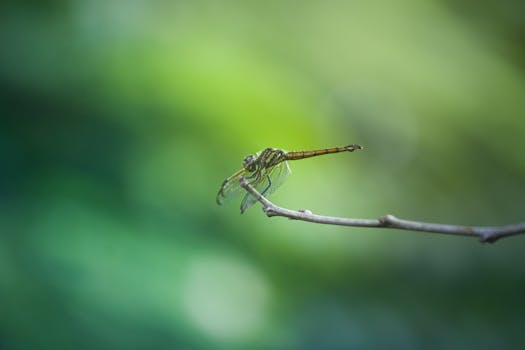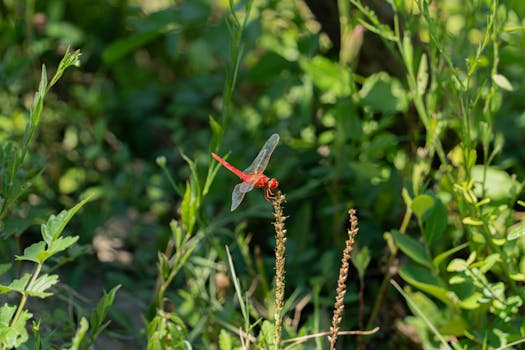
Dragonflies, often known by their Spanish name, libelulas, have captivated human interest for centuries with their delicate wings and graceful flight. These ancient insects have a history that dates back millions of years, and today they continue to intrigue us with their colorful presence and remarkable flight capabilities.
Understanding the world of libelulas means exploring their environments, behaviors, and the roles they play in various ecosystems. This article aims to shed light on these enchanting creatures and highlight why they are so much more than just a pretty sight hovering over a body of water.
Table of Contents
What are libelulas?
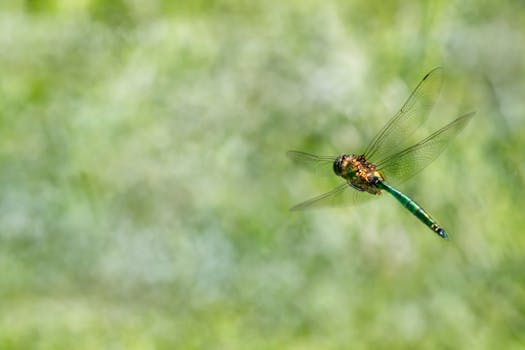
Libelulas, commonly known as dragonflies, are insects belonging to the order Odonata. They are known for their elongated bodies, two pairs of strong transparent wings, and large, multifaceted eyes. Their vibrant colors and quick, agile flight patterns make them easily distinguishable and a favorite among entomologists and nature enthusiasts.
Dragonflies have been around for hundreds of millions of years, and they play a critical role in the ecosystem as both predators and prey. They are also indicators of environmental health, particularly the quality of water bodies where they lay their eggs and where their nymphs develop.
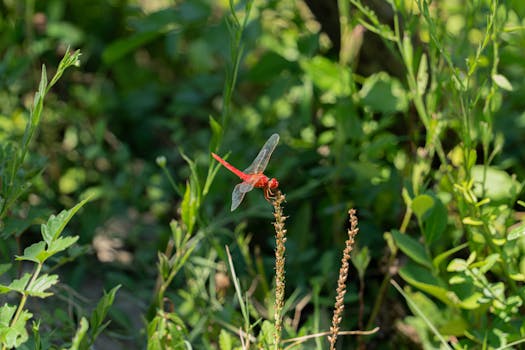
There are thousands of different species of dragonflies, each with unique characteristics and adaptations that allow them to thrive in diverse environments.
Where do libelulas live?
Libelulas are versatile creatures that can be found in a variety of habitats, but they are most commonly associated with water. They are typically found near ponds, lakes, rivers, and wetlands where their larvae, known as nymphs, can grow and develop.
The adult dragonflies are often seen patrolling around water bodies or in meadows, gardens, and forests. They require specific conditions for their habitats, such as clean water and an abundance of smaller insects to feed on, which makes them excellent bioindicators of ecological health.
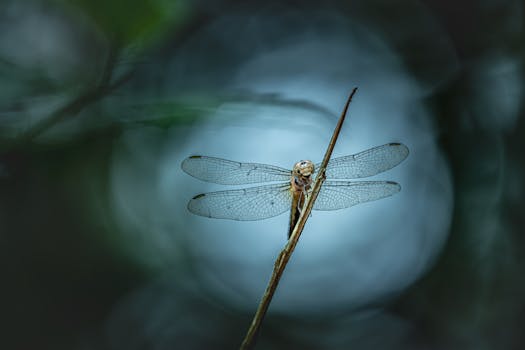
Dragonflies and their habitats are closely linked, and maintaining the integrity of these aquatic ecosystems is crucial for the survival of these beautiful insects.
What do libelulas eat?
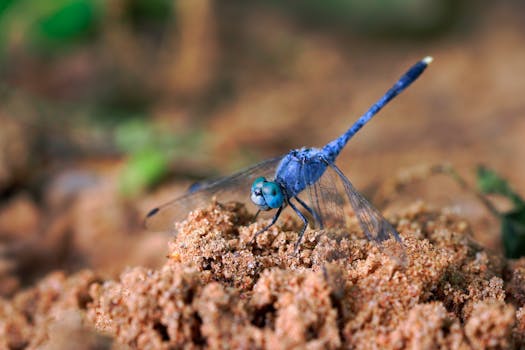
The diet of libelulas primarily consists of other insects. They are formidable hunters, catching their prey mid-flight with incredible accuracy. Adult dragonflies are known to eat mosquitoes, flies, bees, ants, and sometimes even other smaller dragonflies.
Dragonfly nymphs, which live underwater, also prey on a variety of aquatic organisms. They feed on larvae, small fish, and tadpoles, using their extendable lower lip to snatch unsuspecting prey.
Their predatory nature helps control populations of insects, some of which are pests to humans, showcasing the role of libelulas in the ecosystem as natural pest controllers. This makes them beneficial allies in maintaining the balance within their habitats.
How do libelulas differ from damselflies?
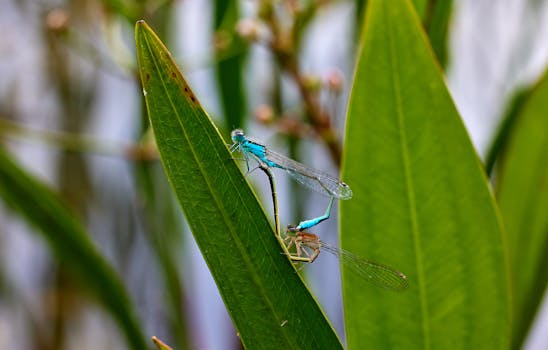
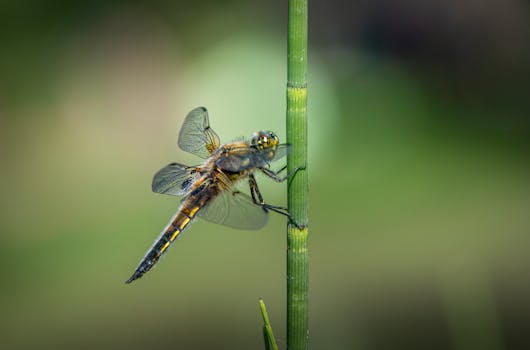
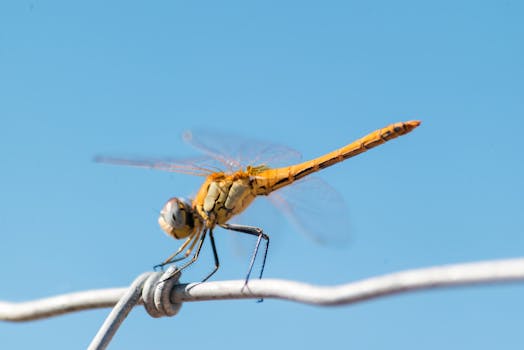
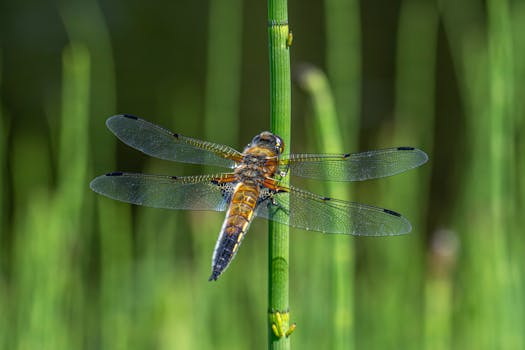
While they may look similar at first glance, libelulas (dragonflies) and damselflies are distinct in several ways. One of the most noticeable differences is in their wing structure. Dragonflies hold their wings open horizontally when at rest, while damselflies fold their wings along their body.
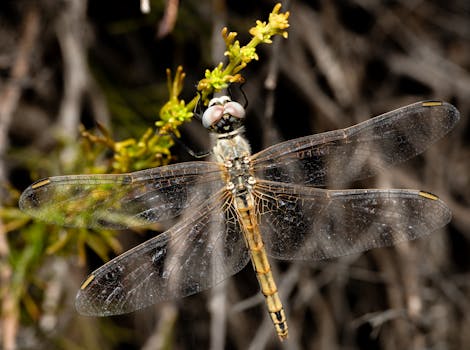
Another difference lies in their eyes. Dragonflies have larger eyes that cover most of their head, giving them a wide field of vision. Damselflies, on the other hand, have more separated eyes, which are smaller in proportion to their head size.
Their flight patterns also vary, with dragonflies being more powerful and swift fliers compared to the lighter, fluttery flight of damselflies.

What is the life cycle of libelulas?
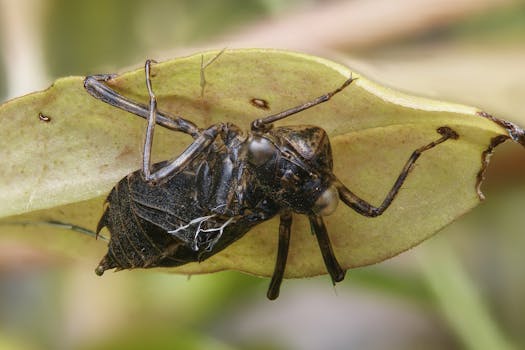
The life cycle of a libelula is fascinating and consists of three stages: egg, nymph, and adult. Females lay eggs in or near water, where they hatch into nymphs. These aquatic nymphs can live for several months to a few years, undergoing multiple molts as they grow.
Once they are ready to transition to adulthood, nymphs undergo a process called metamorphosis. They leave the water and shed their exoskeleton to reveal their adult form, complete with wings ready for flight.
Dragonflies generally have a short adult lifespan, lasting from a few weeks to several months, during which they focus on mating and laying eggs for the next generation.
Are libelulas dangerous to humans?
Contrary to some myths, libelulas are not dangerous to humans. They do not sting or bite unless they are caught and handled, in which case they may nip in self-defense. Even then, their bite is not harmful.
Instead of being a threat, dragonflies are beneficial as they help reduce populations of insects that can be pests to humans, such as mosquitoes. They are also a source of wonder and enjoyment for those who observe them in their natural habitats.
What is the cultural significance of libelulas?
Libelulas have held significant meaning in various cultures throughout history. In some societies, they are symbols of change, transformation, and adaptability due to their life cycle. In others, they represent speed and agility, inspired by their quick and precise movements.
In Japanese culture, for example, dragonflies are emblems of courage, strength, and happiness. Native American tribes also attribute various spiritual meanings to dragonflies, seeing them as a sign of purity and the presence of spirits.
The cultural significance of libelulas is rich and varied, and they continue to be featured in art, literature, and folklore around the world.
Related questions about dragonflies
What is the meaning of libelulas?
The term libelulas is simply the Spanish word for dragonflies. In terms of symbolism, dragonflies signify transformation, adaptability, and often, a sense of self-realization. Their ability to move in all six directions and hover in the air symbolizes freedom and the ability to view life from different perspectives.
Many cultures view dragonflies as positive creatures that bring about change and encourage emotional and mental maturity. Their presence in art and poetry often echoes these themes, highlighting their importance beyond just being a member of the insect world.
Do libelulas bite or sting?
Dragonflies, or libelulas, are not known to bite or sting humans as part of their behavior. They have no stinger, and their mouthparts, designed for catching prey, are not strong enough to break human skin easily. While they are capable of nipping if handled, such instances are rare and not harmful.
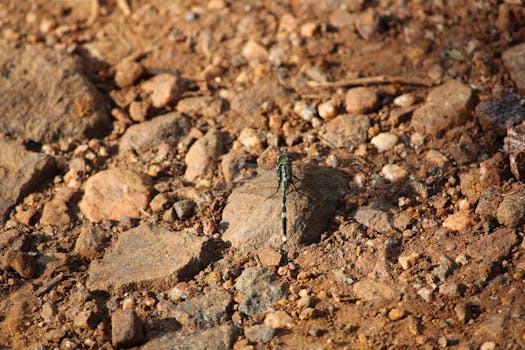
The misconception that dragonflies bite or sting likely stems from their voracious appetite for other insects, but humans have little to fear from these gentle creatures.
What is the symbolic meaning of libelulas?
The symbolic meaning of dragonflies varies across different cultures and beliefs. Universally, they often represent transformation and life’s ever-changing nature, linked to their metamorphosis from water-dwelling nymphs to aerial adults. They are also seen as symbols of lightness, joy, and the ability to navigate life’s complexities with ease and grace.
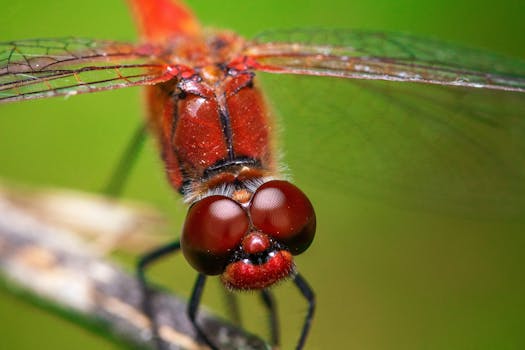
Dragonflies symbolize the deeper understanding of life and the presence of deeper thoughts beneath a seemingly carefree exterior. They encourage us to look beyond the surface and find deeper meaning in our experiences.
What happens if a dragonfly bites you?
If a dragonfly were to bite you, which is highly unlikely, the experience would be relatively minor. Dragonflies do not have venom or a stinging apparatus, so their bite would not cause significant harm. At most, one might experience a small pinch or slight discomfort.
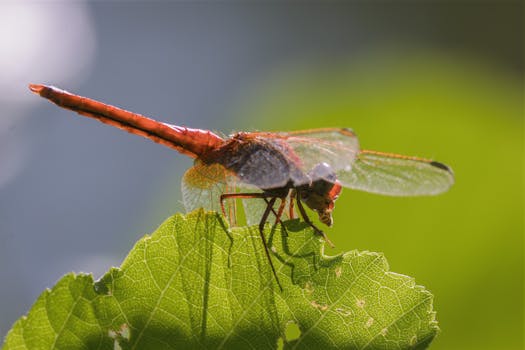
It’s important to remember that dragonflies are more interested in pursuing their insect prey than interacting with humans, so the chance of being bitten is extremely low.
In conclusion, the world of libelulas is filled with intrigue and beauty. These insects are not only important to our natural ecosystems as predators of pest species, but they also hold a place of admiration and significance in cultures around the globe. Understanding dragonflies helps us appreciate the delicate balance of our environment and the smaller creatures that play a vital role in the health of our planet.