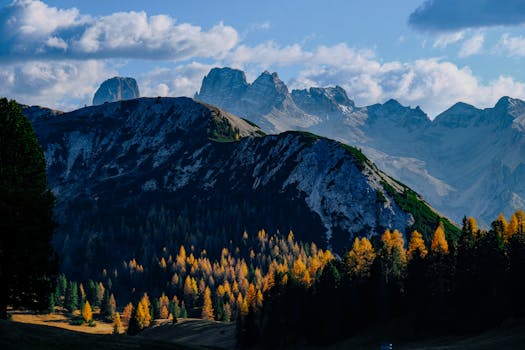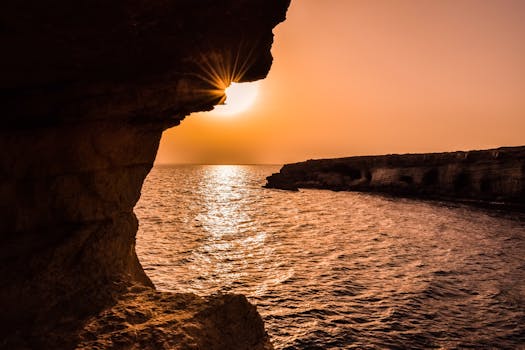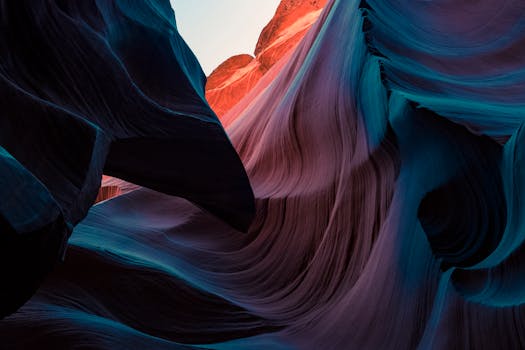
Erosion is a powerful geological force that shapes the earth’s landscape, altering ecosystems and human environments in significant ways. This incessant process is responsible for some of the most striking natural formations on our planet and has continued to draw the attention of scientists, environmentalists, and policy-makers alike.
Understanding erosion involves exploring the various agents and their impact on different landscapes, from the steep slopes of mountain ranges to the vast expanses of coastal areas. With the advancement of climate change, the implications of erosion on human activities and natural habitats have become an urgent area of study.
Table of Contents
What is erosion?
Erosion is the geological process that involves the breakdown and displacement of rock or soil from one location to another through natural elements such as water, wind, and ice. Unlike its cousin weathering, which simply refers to the breakdown of these materials, erosion is characterized by the movement of sediments, profoundly altering the physical world around us.
Over time, this relentless process can create valleys, cliffs, and an array of other geological features that define our landscapes. It is a natural part of the earth’s ecosystem, constantly reshaping the surface and playing a crucial role in the life cycle of ecosystems.
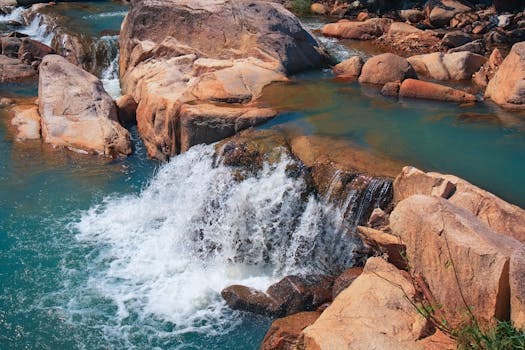
In its essence, erosion is a dynamic force, responsible for both the creation and destruction of natural habitats, and is essential to the geological changes that our planet undergoes over millennia.
What are the types of erosion?
There are several types of erosion, each influenced by different environmental factors and resulting in distinct geological formations:
- Water erosion: Perhaps the most common form, water erosion can result in gully, river, and sheet erosion, leading to the creation of valleys and canyons.
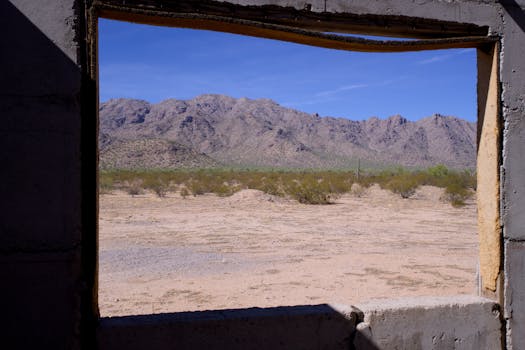
- Wind erosion: Common in arid and semi-arid regions, wind erosion shapes deserts and can transport sand and dust over vast distances.
- Glacial erosion: Glaciers carve out landscapes as they move, creating features like U-shaped valleys and fjords.
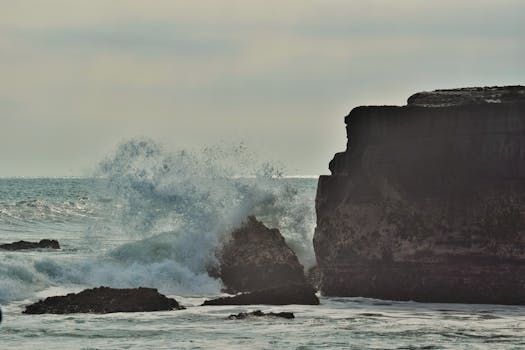
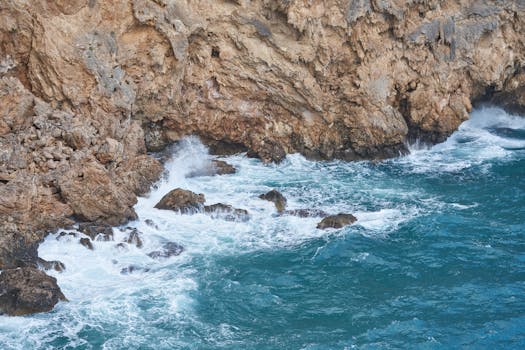
- Coastal erosion: The constant action of waves and tidal forces reshapes coastlines, forming cliffs, beaches, and sea stacks.
Understanding the various forms of erosion is crucial in predicting its impact on landscapes and in developing strategies for managing its effects.
How does climate affect erosion?
The relationship between climate change and erosion is complex, with climate acting as both a direct and indirect agent of erosion. Temperature fluctuations and precipitation patterns significantly influence soil moisture levels, vegetation cover, and the stability of landforms.
In areas with heavy rainfall, for example, soil erosion can increase, leading to significant loss of fertile topsoil and altered water pathways. Conversely, in regions experiencing drought, the lack of vegetation can leave soil exposed and more susceptible to wind erosion.
As global temperatures continue to rise, the frequency and intensity of extreme weather events such as heavy storms and hurricanes are expected to increase, potentially exacerbating erosion rates and affecting the resilience of ecosystems and human infrastructures.
What are common examples of erosion?
Real-world examples of erosion are evident across the globe, showcasing the power of natural forces in shaping our environment:
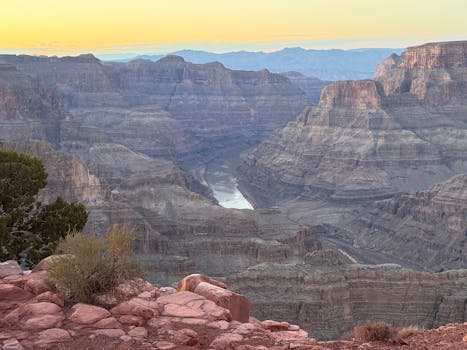
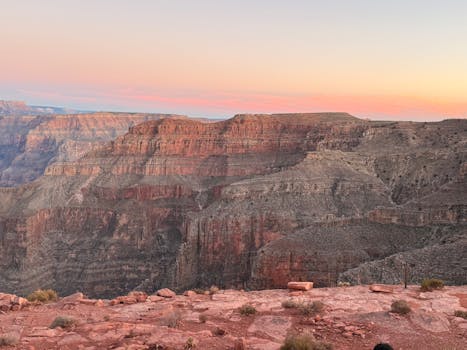
Grand Canyon: One of the most iconic examples, the Grand Canyon was formed by river erosion from the Colorado River over millions of years, revealing layers of geological history.
Sahara Desert: Wind erosion is responsible for the vast dunes and shifting sands that characterize this immense desert landscape.
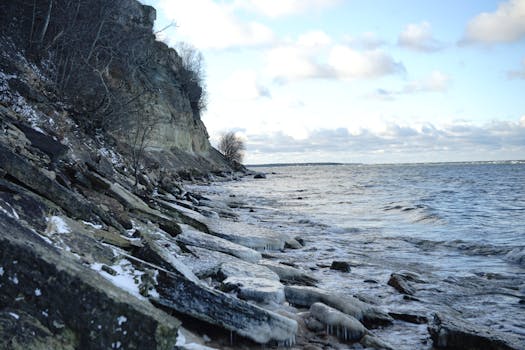
Coastal bluffs: Along shorelines around the world, coastal erosion continually eats away at the land, creating steep bluffs and contributing to the changing shape of the coastline.
What are the effects of erosion on soil?
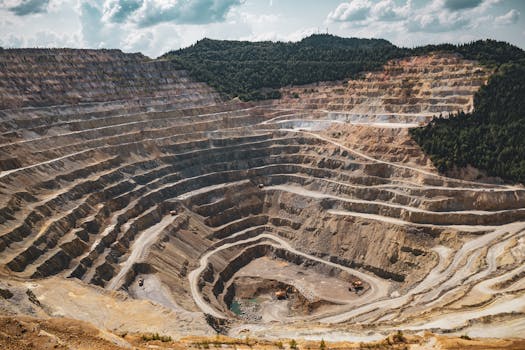
Soil erosion significantly impacts agricultural productivity and the natural environment. The loss of nutrient-rich topsoil can lead to decreased crop yields, affecting farmland productivity. Soil erosion also contributes to sedimentation in waterways, which can cause problems for aquatic life and water quality.
Erosion can lead to a reduction in soil depth, which affects water infiltration and storage, making areas more prone to flooding and drought. Moreover, erosion can result in the loss of organic matter and soil biodiversity, compromising the soil’s ability to support plant growth and sustain ecosystems.
To combat these issues, erosion control methods are implemented, such as cover cropping, conservation tillage, and the construction of terraces or retention walls, to protect the soil and maintain its health and productivity.
How is erosion managed in agriculture?
Effective management strategies are essential to mitigate the impact of erosion in agricultural settings. These practices aim to maintain soil structure, enhance water infiltration, and promote sustainable land use:
Contour farming: Implements crops planted along the natural contours of the land to reduce runoff.
Crop rotation: Switching between different types of crops can help improve soil structure and reduce erosion.
Riparian buffers: Areas of vegetation planted along waterways that help to stabilize banks and filter pollutants.
Cover crops: Planting crops such as clover or rye in off-seasons can help protect the soil from erosion.
No-till farming: This technique reduces soil disturbance, helping to preserve the soil’s integrity and prevent erosion.
What is the role of water in erosion?
Water plays a pivotal role in shaping landscapes through the process of erosion. Rainfall, river flows, and ocean waves each have distinctive ways of transporting sediment and carving the earth:
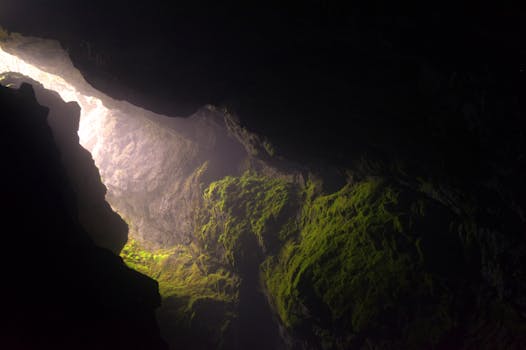
- Raindrop impact: When raindrops hit the soil, they can dislodge particles, leading to sheet and rill erosion.
- River erosion: The continuous flow of rivers can erode banks, transport sediments, and sculpt the landscape over time.
- Wave action: In coastal areas, the relentless action of waves against the shoreline can lead to significant erosion, reshaping coastal features.
Understanding water’s role in erosion is vital for predicting and managing its effects, particularly in areas prone to flooding or coastal retreat due to rising sea levels.
Related questions about erosion and its various aspects
What is erosion simple definition?
Erosion is the natural process by which soil, rock, or other surface material is worn away and transported by forces such as water, wind, or ice. It is a key element in the formation and change of landscapes.
Erosion has been shaping the earth’s surface for billions of years and continues to play a critical role in the way we understand geological changes and environmental management.
What is the definition of erosion?
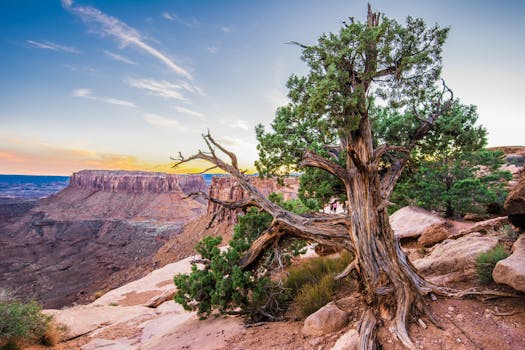
Erosion refers to the process where natural forces move weathered rock or soil from one location to another. This geological phenomenon is driven primarily by water flow, wind, and glacial movement, and is distinguishable from weathering, which involves no movement.
Understanding the technical definition of erosion helps to grasp its implications on both natural settings and human activities.
Which best defines erosion?
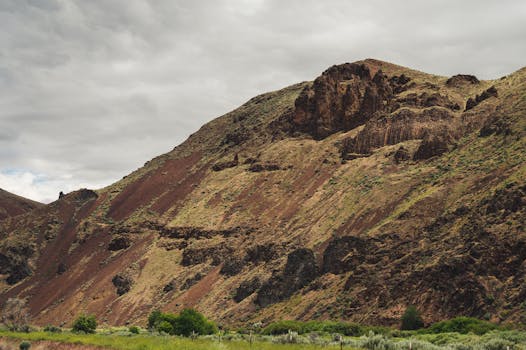
The best definition of erosion encompasses the combined actions of different natural agents—such as water, wind, and ice—that transport soils and rocks after they have been broken down by weathering. Erosion is a key factor in the creation of diverse landforms and the cycling of earth materials.
Its role in sculpting the earth’s surface makes erosion a subject of great interest and importance for both geologists and environmental scientists.
What is an example of erosion?
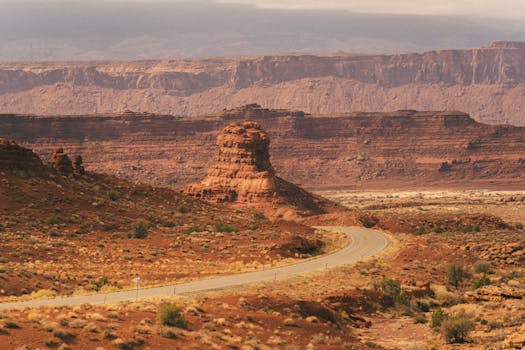
An illustrative example of erosion is the formation of gullies on a hillside after a heavy rainstorm. As rainwater runs down the slope, it gathers strength and carries soil away, creating channels that deepen over time and alter the hill’s shape.
This type of water erosion can dramatically change the landscape and serves as a poignant reminder of the natural world’s dynamic nature.
As we continue to study and understand erosion’s far-reaching effects, we unravel the complex interactions between the earth’s surface and the forces that shape it. From the farming fields to coastal communities, efforts are being made to anticipate and mitigate the impacts of erosion through a combination of traditional methods and innovative technologies. In doing so, we strive towards a balance between preserving our planet’s natural beauty and maintaining the delicate ecosystems that depend on it.