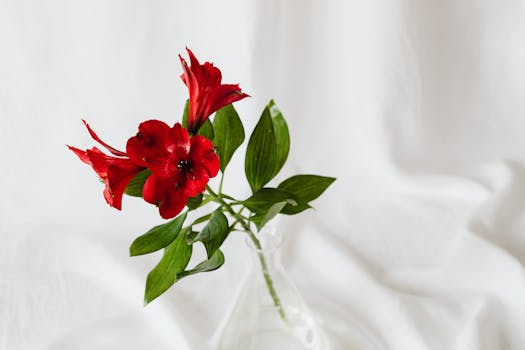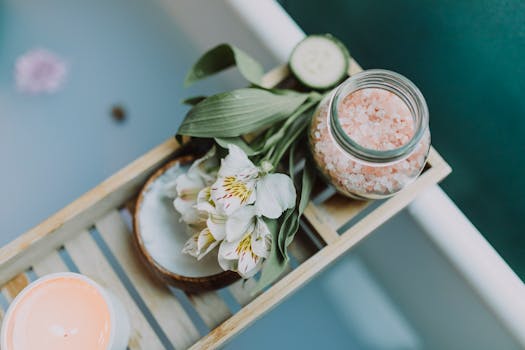
Alstroemeria, commonly known as the Peruvian Lily or Lily of the Incas, is a stunning flower that brings a splash of vibrant colors to any garden or bouquet. Renowned for their longevity and showy blooms, these flowers are a favorite among gardeners and floral enthusiasts alike.
The alstroemeria offers a remarkable range of hues and patterns that can brighten up any setting. As a versatile and easy-to-care-for plant, it holds a special place in the hearts of those who cultivate it. Let’s dive into the world of alstroemeria and discover the array of varieties, care tips, and its compatibility with household pets.
Table of Contents
- What are the different varieties of alstroemeria?
- How to care for alstroemeria plants?
- Where to buy alstroemeria plants online?
- Is alstroemeria safe for cats and other pets?
- What colors do alstroemeria flowers come in?
- What are the best conditions for growing alstroemeria?
- Related questions about alstroemeria care and symbolism
What are the different varieties of alstroemeria?
The diversity of alstroemeria is truly astonishing, with numerous varieties that feature different colors and patterns. Some of the more sought-after types include the ‘Adonis’ with its deep red petals, ‘Apollo’ that dazzles in creamy white, and the ‘Watermelon’ variety which resembles the color and patterns of a watermelon rind.
Each variety has its own set of characteristics, such as flower size, stem length, and blooming period, allowing gardeners to choose the perfect alstroemeria for their landscaping needs or floral designs. Whether you’re interested in creating a monochromatic theme or a tapestry of colors, there’s an alstroemeria variety to suit your creative vision.
Among the wide range, you will also find differences in cold hardiness. Some alstroemeria can withstand cooler climates with the help of mulching, while others thrive in warmer zones. Pay close attention to the specific needs of each variety to ensure a robust and vibrant garden display.
How to care for alstroemeria plants?
Maintaining the beauty and health of alstroemeria plants requires some basic care tips. These perennials thrive in well-drained, fertile soil and appreciate consistent moisture without becoming waterlogged. Ensuring adequate sun exposure, whether full sun or light shade, is pivotal for optimal blooms.
- Fertilize regularly during the growing season to promote healthy growth and flowering.
- Deadhead spent flowers to encourage new blooms and keep the plant looking tidy.
- Provide winter protection in colder zones to safeguard the tubers from freezing temperatures.
Remember, alstroemerias are sensitive to ethylene gas, so it’s essential to handle them with care, especially when using them as cut flowers. Proper hydration is key, whether in the garden or as part of a floral arrangement, to extend their vibrant display.

Where to buy alstroemeria plants online?
Finding Alstroemeria plants for sale online has never been easier. A number of reputable online nurseries and garden centers offer a variety of alstroemeria plants, often with detailed information about each variety and advice on how to care for them. Look for sellers with positive customer reviews and a strong reputation for quality.
Online shopping allows you to conveniently compare different varieties and prices, ensuring that you find the perfect alstroemeria for your garden. Many sellers also provide healthy, ready-to-plant tubers, which can be shipped directly to your doorstep, making the process of starting your alstroemeria collection a breeze.
Is alstroemeria safe for cats and other pets?
Pet owners often worry about the safety of their furry friends when it comes to plants. Fortunately, alstroemerias are considered non-toxic to cats and most pets. This makes them an excellent choice for households with animals, as you can enjoy these beautiful flowers without concern for your pet’s well-being.
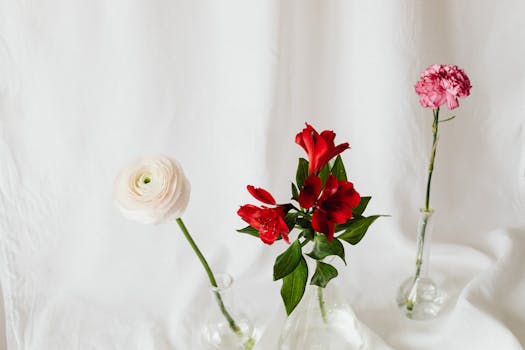
However, it’s always a good practice to keep an eye on your pets and prevent them from ingesting any plant material. While alstroemeria is not poisonous, consuming large amounts of any non-food item can potentially cause discomfort or digestive issues for your pets.
What colors do alstroemeria flowers come in?
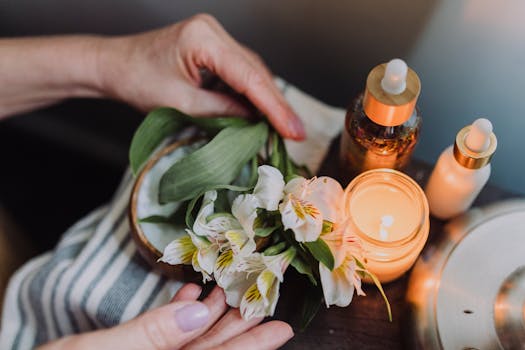
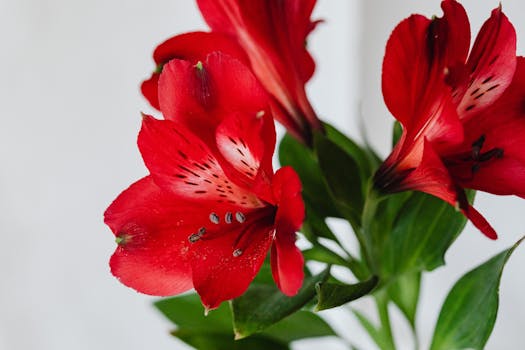
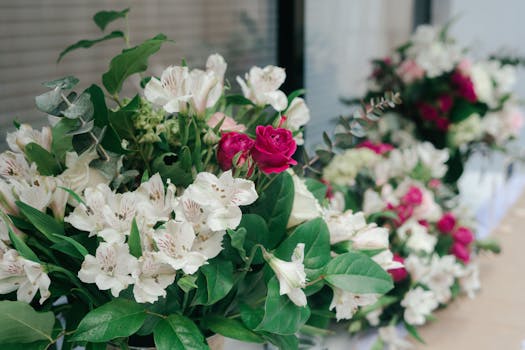
The color palette of alstroemeria flowers is vast, with shades ranging from white, yellow, and orange to red, purple, and pink. The diverse color range allows these flowers to fit into any garden theme or floral arrangement with ease.
Some favorite colors among gardeners and florists include Alstroemeria red, Alstroemeria white, and Alstroemeria lavender. The unique patterns of the petals, often streaked or speckled with contrasting colors, add to the exotic appeal of alstroemerias, making them a standout choice for any planting or decoration.
What are the best conditions for growing alstroemeria?
For successful growth, alstroemerias require certain conditions that replicate their native South American habitat. Moist, well-drained soil is essential, as is a location that receives full sun or light shade. Adequate spacing between plants allows for proper air circulation and reduces the risk of disease.
Alstroemerias perform well in a range of garden conditions, adapting to both in-ground planting and container gardening. They appreciate a good layer of mulch to retain soil moisture and regulate soil temperature. By providing these optimal conditions, you can expect a long season of stunning blooms and vigorous growth from your alstroemeria plants.
Related questions about alstroemeria care and symbolism
Does alstroemeria like sun or shade?
Alstroemeria plants are quite adaptable and can flourish in both full sun and light shade. While they enjoy the warmth that sun exposure brings, they also appreciate some relief during the hottest part of the day, especially in warmer climates. A location that receives morning sun followed by afternoon shade is often ideal for alstroemeria.
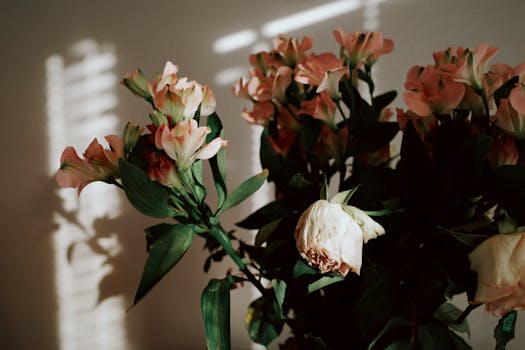
When planting alstroemeria, consider your local climate and observe how the sunlight patterns change throughout the day. Positioning these plants in the right balance of light can lead to more abundant and longer-lasting blooms.
Is alstroemeria poisonous to cats?
No, alstroemeria is not poisonous to cats or most other pets. This makes the Peruvian Lily a safe choice for households with curious animals. While it’s always best to discourage pets from nibbling on plants, you can rest assured that alstroemeria poses no significant risk to your cat’s health.
Even though alstroemeria is pet-friendly, some other common garden plants can be toxic. Always research and make informed choices when introducing new plants to your pet-friendly garden.
What does alstroemeria symbolize?
Alstroemeria carries a wealth of meaning and symbolism, each color representing different emotions and sentiments. These flowers are often associated with friendship, devotion, and mutual support, making them a thoughtful gift for someone special. The twisting nature of the leaves, which causes the underside to face upwards, symbolizes the twists and turns of friendships.
For example, white alstroemeria represents purity and innocence, while red denotes passion and love. Yellow alstroemeria can symbolize happiness and positivity, illustrating the versatile nature of these blooms as messengers of our deepest feelings.
Is alstroemeria a true lily?
Despite its common name, Peruvian Lily, alstroemeria is not a true lily. It belongs to the Alstroemeriaceae family, which is distinct from the Lilium genus that true lilies belong to. However, the resemblance in the trumpet-shaped flowers and overall aesthetic appeal is why it’s often associated with lilies.
Alstroemeria’s unique charm and ease of care set it apart from true lilies, making it an excellent alternative for gardeners looking for a lily-like bloom without the same level of maintenance that true lilies might require.