Lettuce is a staple in salads and sandwiches, loved for its crisp texture and versatility. Whether you’re looking for a low-calorie snack or a fresh addition to your meal, the diverse world of lettuce offers a range of options. From the crisp Iceberg to the tender Romaine, let’s explore the many faces of this leafy green.
Table of Contents
- Types of lettuce: What are the main varieties?
- What are the nutritional benefits of lettuce?
- How to incorporate different types of lettuce into your diet?
- What are the characteristics of Iceberg lettuce?
- What are the unique features of Romaine lettuce?
- Which types of lettuce are best for salads?
- What are the popular lettuce varieties in Mexico?
- Exploring lettuce’s role in the kitchen and beyond
- Discovering lettuce’s contributions to health and cuisine
- Related questions about lettuce varieties and their benefits
Types of lettuce: What are the main varieties?
Lettuce, or Lactuca sativa, is not a one-size-fits-all vegetable. There are numerous varieties, each with unique characteristics.
Iceberg is known for its crispiness and is a common choice for burgers and tacos. Romaine, with its long, sturdy leaves, is ideal for Caesar salads. Lollo rosso, a type with frilly edges and a vibrant red hue, adds a pop of color and texture to any dish. Escarola, or endive, introduces a pleasantly bitter taste, perfect for balancing sweeter ingredients.
But these are just a starting point. From butterhead to oak leaf, each variety offers a different taste, texture, and nutritional profile, making lettuce a versatile choice for any meal.

When selecting the best lettuce for salads, consider the other ingredients. A sturdy leaf like romaine can hold up to heavier dressings, while a delicate butterhead pairs well with a light vinaigrette.
What are the nutritional benefits of lettuce?
Lettuce is more than just water; it’s a rich source of vitamins and minerals. It offers hydration, sure, but also nutritional benefits like fiber, which aids digestion, and vitamins A and K, crucial for eye and bone health.

Whether it’s the iron in romaine or the antioxidants in red leaf varieties, incorporating different types of lettuce into your diet can contribute to overall well-being. Plus, its low calorie count makes it an excellent choice for those monitoring their energy intake.
How to incorporate different types of lettuce into your diet?
Including a variety of lettuce in your meals is simple and delicious. Try swapping out your usual greens for something new in salads, or use large leaves as a wrap for a low-carb alternative to bread.
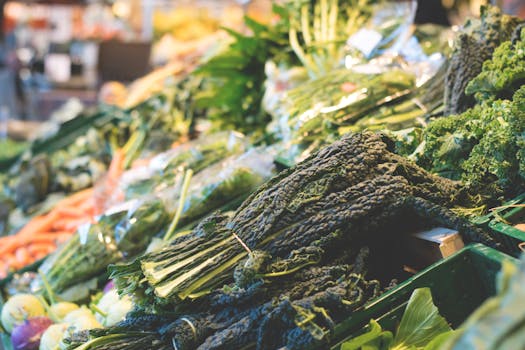
For a nutrient-packed smoothie, blend some spinach or kale with fruits. Don’t forget to add lettuce to your sandwiches for extra crunch. With incorporating lettuce in meals, the possibilities are endless.
Lettuce can even be grilled or sautéed, adding a unique flavor and texture to warm dishes. Experimenting with different types in your cooking can lead to new and exciting culinary adventures.
What are the characteristics of Iceberg lettuce?
Iceberg lettuce stands out for its crunchy texture and refreshing taste. It’s a favorite for its ability to stay crisp, even when dressed or in a packed lunch.
Its pale green leaves are tightly packed into a dense head, making it less nutrient-dense than darker leafy greens. However, its shelf life and versatility make it a popular choice worldwide.

What are the unique features of Romaine lettuce?
Romaine lettuce, with its elongated leaves and sturdy rib, is known for its robust flavor and nutritional content. It’s a rich source of dietary fiber, vitamin A, and vitamin K, and its textured leaves are perfect for absorbing flavors without getting soggy.
Whether chopped in a classic Caesar salad or used whole in a lettuce wrap, romaine is both delicious and healthy.

Which types of lettuce are best for salads?
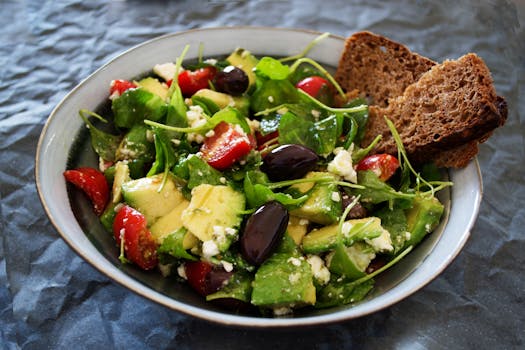
For salads, you want a mix of textures and flavors. Combining butterhead’s softness, arugula’s peppery bite, and iceberg’s crunch can elevate a simple salad into a symphony of taste and sensation.
Consider the dressing and accompaniments when choosing your greens. Hearty varieties like kale and escarole stand up to thick dressings and bold toppings like nuts and cheese.

What are the popular lettuce varieties in Mexico?
In Mexico, lettuce is not just a side dish; it’s a key ingredient in the rich tapestry of Mexican cuisine. Varieties like Italian and Trocadero are celebrated for their unique flavors and textures.
The country’s love for greens extends from the humble taco stand to the most sophisticated gourmet restaurants. Each variety, whether it’s the crispy iceberg or the tender red leaf, plays a vital role in the culinary landscape.

Exploring lettuce’s role in the kitchen and beyond
Lettuce isn’t just for salads; it’s a versatile ingredient that can be used in countless ways. It can be a wrap, a crunchy garnish, or even a cooked vegetable in soups and stews.
With its nutritional benefits and culinary flexibility, lettuce has secured its place in kitchens around the world. Whether you’re whipping up a simple weeknight dinner or a festive occasion, lettuce is always a welcome addition to the table.

Discovering lettuce’s contributions to health and cuisine
Lettuce contributes far more to our health than we might assume. It’s not just a vehicle for dressings but a nutritional powerhouse in its own right.
Alongside its health benefits, lettuce has a rich cultural significance. In Mexican cuisine, it is not merely an afterthought but an integral component that complements and enhances traditional dishes.

Related questions about lettuce varieties and their benefits
How many types of lettuce are there and what are they?
There are over a dozen main types of lettuce, each with its own unique properties. Among them, you’ll find iceberg, romaine, lollo rosso, and escarola, as well as butterhead, oak leaf, and more.
Each type offers something different to the table, from the buttery softness of Boston lettuce to the crisp bite of an iceberg. It’s this diversity that makes lettuce a global favorite.

Which type of lettuce is best?
The “best” lettuce depends on your personal preference and the dish you’re preparing. For crunch, go with iceberg; for nutrient density, choose a dark leafy green like romaine.
There’s no one-size-fits-all answer here, as each variety has its strengths and ideal culinary uses.

What is the healthiest lettuce to eat?
Dark leafy greens like romaine and spinach are typically the healthiest options, packed with vitamins, minerals, and fiber. However, all types of lettuce have health benefits and can contribute to a balanced diet.
Remember, variety is key. Mixing different types of lettuce can give you a broader range of nutrients and flavors.

What is the lettuce with curly leaves and a slightly bitter taste called?
That would be escarola, or endive, known for its distinctive curly leaves and subtle bitterness. It’s a wonderful addition to salads for those who enjoy a complex flavor profile.
Escarola is just one example of the varied world of lettuce, each with its own special characteristics and culinary potential.