The bosque mediterraneo, or Mediterranean Forest, is an ecosystem that boasts unique features and a significant ecological role. This biome is not only a haven for a diverse collection of flora and fauna but also a critical component in the environmental balance of the regions it occupies.
Table of Contents
- What is the bosque mediterraneo?
- Key characteristics of the bosque mediterraneo
- Location of the bosque mediterraneo
- Flora of the bosque mediterraneo
- Fauna in the bosque mediterraneo
- Environmental threats to the bosque mediterraneo
- Climate impact on the bosque mediterraneo
- Related questions about the bosque mediterraneo ecosystem
What is the bosque mediterraneo?
The Mediterranean Forest, commonly known as bosque mediterraneo, encompasses a variety of woodland and scrubland habitats found primarily around the Mediterranean Basin. It is characterized by a specific climate pattern of hot, dry summers and mild, wet winters, providing conditions for a diverse range of life adapted to these environments.
This biome extends beyond the Mediterranean Sea’s shores, including similar ecosystems in parts of California, South Africa, Australia, and Chile, known collectively as Mediterranean-type ecosystems.
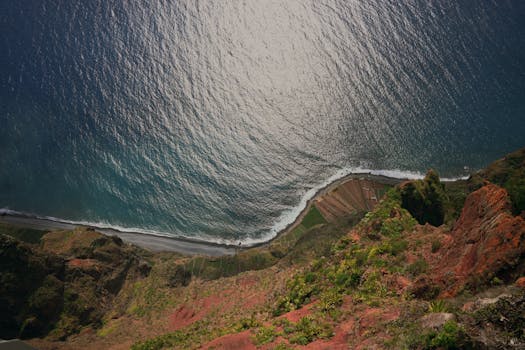
The vegetation in these regions has evolved to thrive under the stressful conditions of summer droughts, nutrient-poor soils, and frequent fires. The resilience of these plant species is a key factor in the survival and continued diversity of the Mediterranean Forest.
Key characteristics of the bosque mediterraneo
The bosque mediterraneo is marked by its remarkable ability to endure the extreme climatic conditions of its native regions. Xerophilous vegetation, which is adapted to survive with minimal water, dominates the landscape alongside fire-adapted species that have developed mechanisms to recover from frequent wildfires.
Another defining characteristic is the presence of cork oaks and other hardy tree species that possess thick bark to protect them against the heat and flames. Soil composition also plays a role, often being rocky and low in nutrients, which has led to plants developing deep root systems to access water and survive.
The adaptation strategies of plants in this environment not only allow them to survive but also to support a rich variety of animals, creating complex food webs and ecological interactions.
Location of the bosque mediterraneo
The primary location of the bosque mediterraneo is the Mediterranean Basin, which encompasses the lands surrounding the Mediterranean Sea in southern Europe, northern Africa, and western Asia.
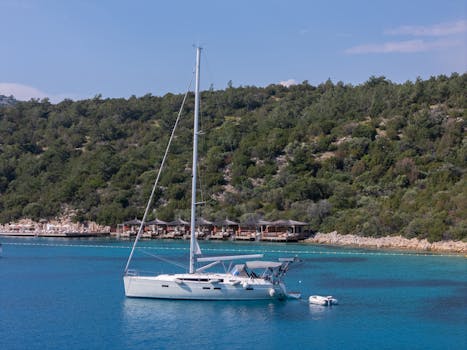
The Mediterranean Forest’s unique climate and ecological conditions have also led to its presence in other parts of the world with similar climatic patterns. These regions include parts of California in the United States, central Chile, the southwestern region of Australia, and the Western Cape of South Africa.
In each of these locations, the Mediterranean woodland and scrubland are pivotal in maintaining the local biodiversity and providing ecosystem services such as carbon storage and soil stabilization.
Flora of the bosque mediterraneo
- Cork oaks (Quercus suber) are perhaps the most iconic species, with their thick, spongy bark.
- Aromatic shrubs like rosemary and lavender offer not only ecological benefits but are also valued for their uses in cooking and medicine.
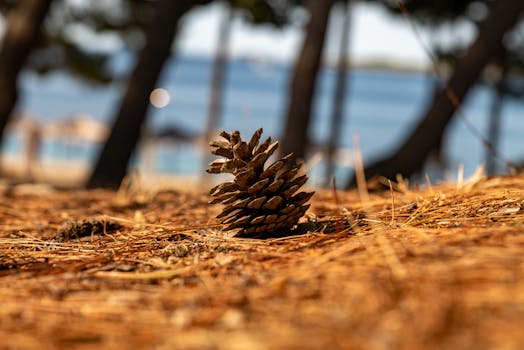
- The presence of various species of pines and holm oaks (Quercus ilex) contribute to the forest canopy, providing shelter and food for numerous animal species.
- Sclerophyllous plants, with their tough, leathery leaves, are another adaptation to the dry summer months.
Fauna in the bosque mediterraneo
In the Mediterranean forest fauna, you’ll find a variety of species perfectly adapted to the challenges of their habitat. For instance, mammals such as the Iberian lynx, the Barbary macaque, and various species of bats are all key components of this ecosystem.

Birds, including eagles and owls, play a vital role as both predators and prey, maintaining the balance between different trophic levels. Reptiles and amphibians are also common, with species such as the Hermann’s tortoise and the Mediterranean tree frog.
Insects, crucial for pollination and as a food source for other animals, abound in this environment. The diversity of invertebrates contributes significantly to the ecological complexity of the Mediterranean Forest.
Environmental threats to the bosque mediterraneo
Despite its resilience, the bosque mediterraneo faces numerous environmental threats. Human activities, such as urban expansion, agriculture, and deforestation, have led to habitat loss and fragmentation.
Climate change poses a severe risk, with increasing temperatures and altered precipitation patterns potentially leading to desertification. The delicate balance of these ecosystems is also jeopardized by the introduction of invasive species and pollution.
Conservation efforts are critical in protecting the Mediterranean Forest. Initiatives to curb habitat destruction, promote sustainable land use, and mitigate climate change impacts are all part of ongoing strategies to ensure the survival of this precious biome.
Climate impact on the bosque mediterraneo
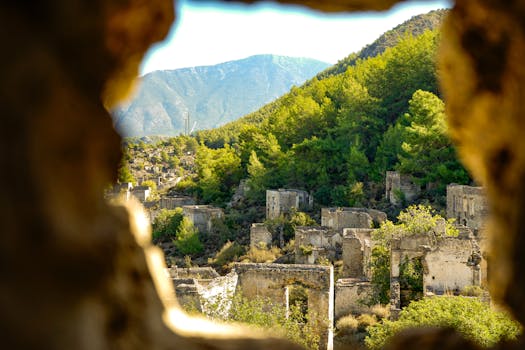
The Mediterranean forest climate is a defining factor for the existence of the bosque mediterraneo. The hot, dry summers and mild, wet winters shape the life cycles and adaptations of the resident flora and fauna.
Changes in the climate, however, threaten to disrupt these cycles. Increased temperatures can exacerbate drought conditions, challenging the survival of many plant and animal species.
Moreover, the frequency and intensity of wildfires are likely to increase with climate change, potentially altering the landscape and the ecological niches within it. The ability of the Mediterranean Forest to adapt to these changes will determine its future in the face of global climate disruption.
Related questions about the bosque mediterraneo ecosystem
Where is the Mediterranean Forest located?
The Mediterranean Forest, or bosque mediterraneo, is primarily found in the Mediterranean Basin. It is also present in other regions with a similar climate, such as California, Chile, South Africa, and Australia.
These areas share the distinctive Mediterranean climate that defines the forest’s unique ecological characteristics.
What is the Mediterranean biome?
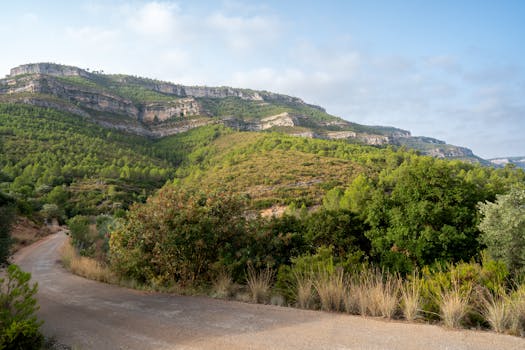
The Mediterranean biome is characterized by its climate of hot, dry summers and mild, wet winters. This climate supports a distinct set of ecosystems, including the bosque mediterraneo, which is adapted to these conditions.
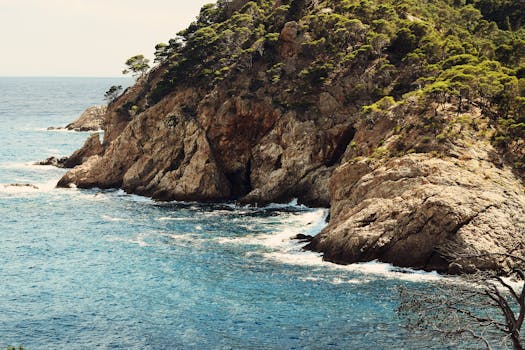
The biome is not just limited to forests but also includes scrublands and various other plant communities that have developed survival strategies for the Mediterranean climate’s challenges.
What is the hard leaf scrub in the Mediterranean evergreen forest?
Hard leaf scrub, often referred to as maquis or chaparral, consists of dense, evergreen shrubs with small, tough leaves. These adaptations help plants conserve water during dry periods and are a common component of the bosque mediterraneo.
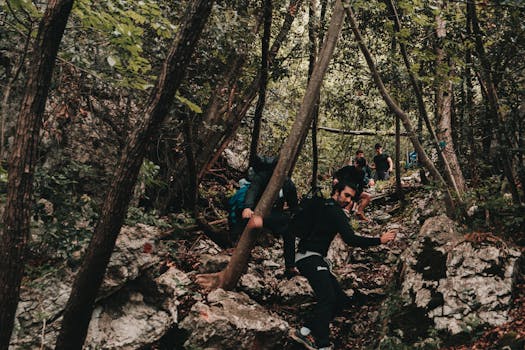
This vegetation type is essential for the survival of numerous species and provides important ecosystem services.
What is Mediterranean scrub?
Mediterranean scrub, also known as garrigue or phrygana, is a type of low, scrubby vegetation that grows in the Mediterranean region’s limestone-based soils. It’s comprised of aromatic herbs, small shrubs, and grasses, all adapted to the harsh, dry conditions of the summer.
These plants often have small, leathery leaves and other adaptations like long taproots to access deep water reserves, making them a resilient part of the bosque mediterraneo ecosystem.
As we delve into the intricate world of the bosque mediterraneo, it becomes clear that this biome is not only a treasure trove of biodiversity but also a critical component of our planet’s ecological balance. Protection and conservation of the Mediterranean Forest are imperative for the survival and health of many species and the overall wellbeing of our global environment.