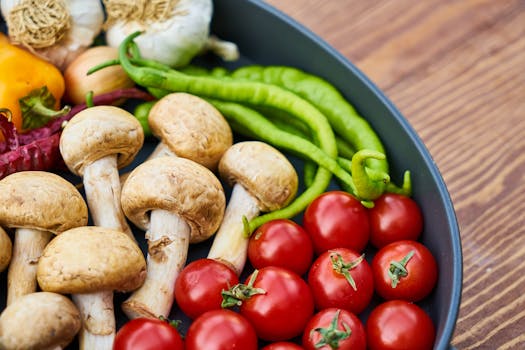
Mushrooms, or setas as they are known in Spanish, are a fascinating and intricate part of the natural world. Though often overlooked, the structure of a mushroom is complex, with each part serving a specific and crucial purpose in the life of the fungus. Understanding the parts of a seta not only enhances our appreciation for these organisms but also aids in their identification and our knowledge of their role in various ecosystems.
Table of Contents
- What are the main parts of a seta?
- What is the function of the cap in a seta?
- How do gills contribute to a seta’s reproduction?
- What role does the stalk play in a seta’s structure?
- What is the importance of the ring and volva in identifying setas?
- How do different types of setas compare?
- What makes a hongo different from a seta?
- Frequently asked questions about seta anatomy and identification
What are the main parts of a seta?
The anatomy of a mushroom can be divided into several key components. Firstly, the cap, also known as the sombrero, is the top part of the mushroom and comes in various shapes and sizes. Underneath the cap are the gills, or himenio, which are the rib-like structures that produce spores. The stalk, or pie, provides support to the cap and connects it to the ground. Another important feature is the ring, or anillo, which is a remnant of the protective veil that once enclosed the mushroom’s gills. Lastly, the volva is a sac-like structure that remains at the base of certain mushrooms, also a remnant of the veil.
These components are not only crucial for the growth and reproduction of the mushroom but also provide key identification markers for mycologists and mushroom enthusiasts. The distinctions in cap shape, gill arrangement, stalk thickness, and the presence or absence of a ring or volva can help determine the species of a mushroom.
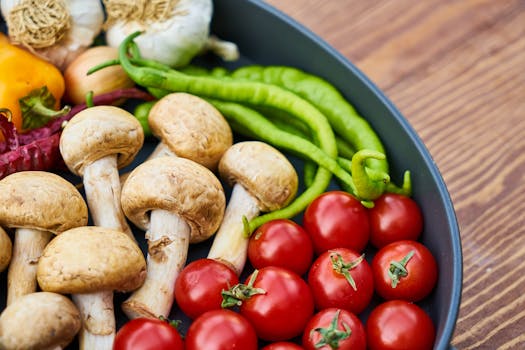
Furthermore, the mycelium, a network of thread-like cells, is the living, growing part of the fungus that absorbs nutrients from the environment. Though usually hidden from view, the mycelium is an essential part of a mushroom’s structure.
What is the function of the cap in a seta?
The cap of a mushroom is arguably its most recognizable feature. Its primary function is to protect the delicate gills beneath, which are responsible for spore production. The shape and color of the cap can also help attract or repel certain animals, aiding in the dispersion of spores.
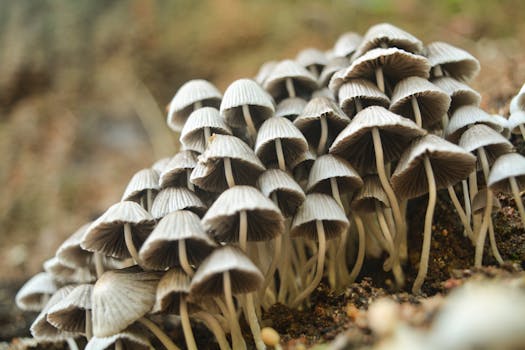
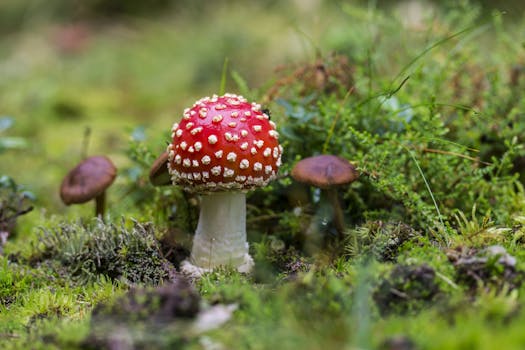
Additionally, the cap can vary dramatically between species, serving as an important characteristic for identification. Some caps are smooth, while others are textured with scales or warts, and their colors can range from subtle earth tones to vibrant reds and oranges.
It is also through the cap that a mushroom can regulate moisture, expanding and contracting to either expose the gills for spore release or protect them during dry conditions.
How do gills contribute to a seta’s reproduction?
The gills of a mushroom are the site of spore production, a critical aspect of the organism’s reproductive cycle. Each gill houses countless spores, which are microscopic and can be dispersed by wind, water, or animals.
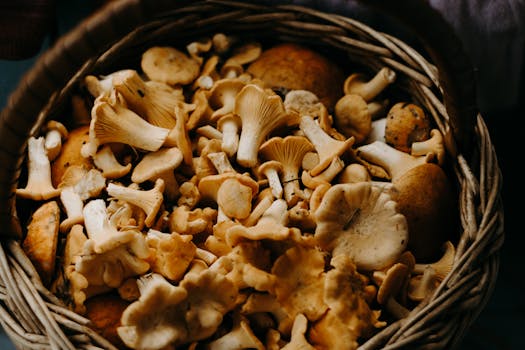
Spores are produced through a process called sporulation, during which the gills will release them into the environment. The specific arrangement and density of the gills can affect how efficiently spores are released.
For many mushrooms, the color of the gills can change as the spores mature, which can be an indicator of the mushroom’s reproductive state and help in the identification process.
What role does the stalk play in a seta’s structure?
The stalk of a mushroom offers structural support, elevating the cap and allowing the gills to be exposed to air currents for effective spore release. The height and thickness of the stalk can vary greatly among species, influencing how a mushroom spreads its spores.
Some mushrooms feature a hollow stalk, while others are solid. The interior of the stalk may also contain fibrous materials that provide additional strength and rigidity.
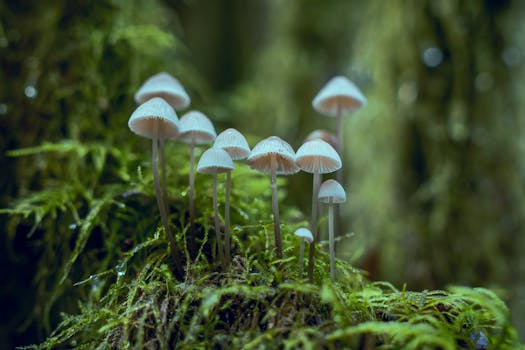
The surface of the stalk can have different textures and colors, and in some cases, it may also feature a ring. This can aid in identification and offer insights into the mushroom’s lifecycle and maturity.
What is the importance of the ring and volva in identifying setas?
The ring and volva are vestiges of the mushroom’s developmental stages. The ring is left behind when the cap expands and breaks free from a protective veil that once covered the gills. Its presence or absence, along with its size and shape, can be crucial clues in determining a mushroom’s species.
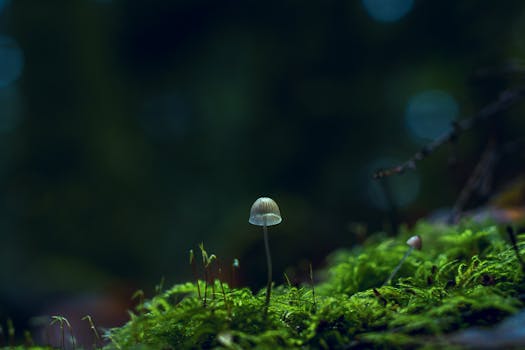
The volva, found at the base of some mushrooms, is another remnant of this veil and can take various forms, from a cup-like structure to a series of loose, ragged pieces. The color and shape of the volva are additional identifiers and are especially notable in distinguishing certain toxic mushrooms from edible varieties.
Both the ring and volva are critical features for accurate identification and play a significant role in field mycology and for foragers seeking to avoid poisonous species.
How do different types of setas compare?
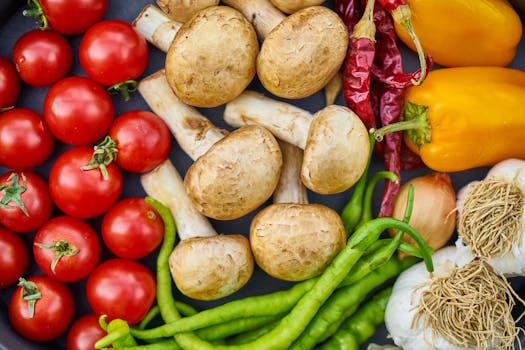
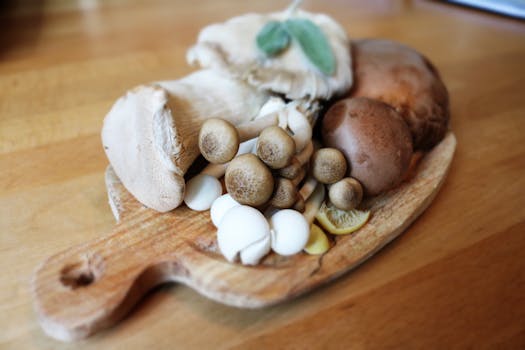
Setas, or mushrooms, display an amazing diversity in shape, size, color, and habitat preference. Comparing different types of setas can be a captivating endeavor, revealing the adaptability and specialization of these fungi. Edible varieties like the common button mushroom differ greatly from the visually striking fly agaric, which is known for its bright red cap and white spots.
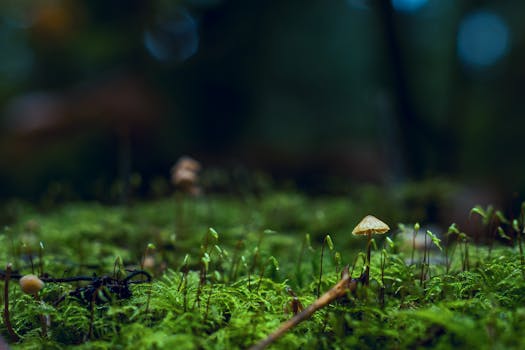
There are also significant differences in the ecological roles that various mushrooms play. Some are decomposers, breaking down organic matter, while others form symbiotic relationships with plants, known as mycorrhizae, aiding in nutrient exchange.
The types of gills, the presence or absence of a volva, and even the texture of the cap can all vary between species, reflecting the setas’ unique adaptations and evolutionary history.
What makes a hongo different from a seta?
In some languages, the terms ‘hongo’ and ‘seta’ are used interchangeably to refer to mushrooms, but they can also be used to denote different kinds of fungal growths. ‘Hongo’ typically refers to any fungus, which can include yeasts, molds, and mushrooms. ‘Seta,’ on the other hand, is often used specifically to describe the fruiting body of a fungus, which is what we commonly recognize as a mushroom.
Distinguishing between these two terms can be important for clarity, particularly in scientific and culinary contexts. While all setas are hongos, not all hongos produce the conspicuous fruiting bodies we associate with setas.
Understanding the distinction helps in proper identification and communication, especially when discussing the ecological impact or edibility of these organisms.
Frequently asked questions about seta anatomy and identification
¿Cómo se llaman las partes de una seta?
The parts of a seta, or mushroom, include the cap (sombrero), gills (himenio), stalk (pie), ring (anillo), and volva. These parts work together to support the mushroom’s growth, reproduction, and role in its environment.
Each part has a unique function and contributes to the distinct appearance of different mushroom species.
¿Cómo se llama la parte de arriba de las setas?
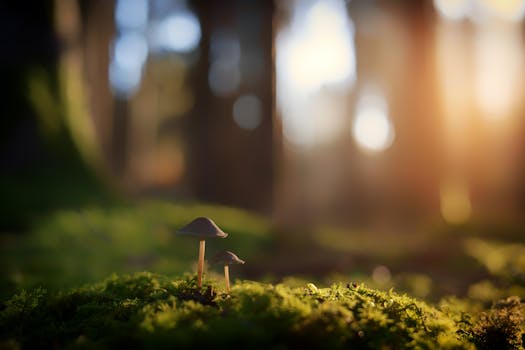
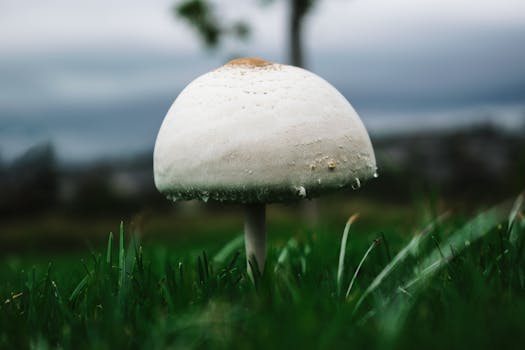
The top part of a mushroom is known as the cap, or sombrero in Spanish. It is one of the most visible and characteristically diverse elements of a mushroom, offering protection to the gills and playing a role in spore dispersal.
The cap’s shape, color, and size are key factors in the identification of mushroom species.
¿Qué es la volva de una seta?
The volva is the base part of certain mushrooms, a remnant of the protective veil that once surrounded the developing fruiting body. It can take the form of a cup-like structure or appear as loose fragments around the base of the stalk.
Notably, the volva is a significant feature in differentiating some poisonous mushrooms from edible ones.
¿Cómo se llama el tronco de una seta?
The stalk, or trunk, of a mushroom is referred to as the pie in Spanish. It provides structural support to the mushroom, elevating the cap and allowing for the effective release of spores from the gills.
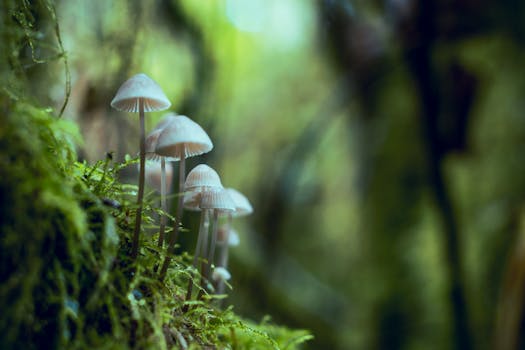
The characteristics of the stalk, including its height, thickness, and texture, are important for identifying mushroom species and understanding their growth habits.
As we have explored the intricate parts of a seta and their functions, it becomes clear that mushrooms are more than just a culinary delight; they are complex organisms with a vital role in our ecosystems. Next time you encounter a seta, take a moment to appreciate the sophisticated structure and the delicate balance it maintains in nature.