Mushrooms are a popular foraging choice due to their culinary value and widespread availability in the wild. However, amidst the edible varieties, there are also boletus venenosos en España (poisonous boletus in Spain), which pose a serious health risk to the unwary forager. This article aims to equip you with the knowledge to differentiate between safe and toxic boletus mushrooms in Spain.
Table of Contents
- Boletus venenosos: conoce las setas más venenosas en España
- ¿Qué es un boletus venenoso?
- ¿Cuáles son los boletus venenosos más comunes en España?
- ¿Cómo identificar el boletus satanás?
- ¿Qué hace a una seta peligrosa?
- ¿Boletus satanás es mortal?
- ¿Cómo limpiar boletus de manera segura?
- Resumen de las setas venenosas en España
- Related questions about boletus venenosos in Spain
Boletus venenosos: conoce las setas más venenosas en España
Spain’s diverse ecosystems are home to a variety of mushrooms, including several poisonous boletus species. Among the most dangerous are the Amanita phalloides, Amanita muscaria, and Boletus satanas. These mushrooms can cause severe poisoning, and it is crucial for enthusiasts to recognize them during foraging.
Identifying toxic species is a matter of safety. Toxic species of mushrooms in Spain not only resemble their edible counterparts but also contain toxins that can cause symptoms ranging from gastrointestinal discomfort to organ failure and even death.
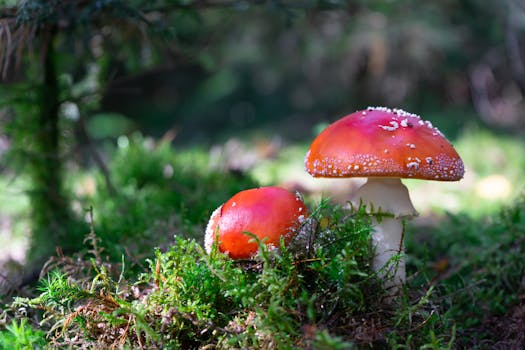
The key to safe mushroom foraging is knowledge and caution. Understanding the characteristics of poisonous mushrooms and their habitats increases the chances of a safe foraging experience. Comprehensive guides and expert advice are invaluable in this regard.
¿Qué es un boletus venenoso?
A boletus venenoso is a term for several species of boletus mushrooms that contain toxins harmful to humans. These mushrooms can vary significantly in appearance, making it challenging to identify them without proper knowledge or experience.
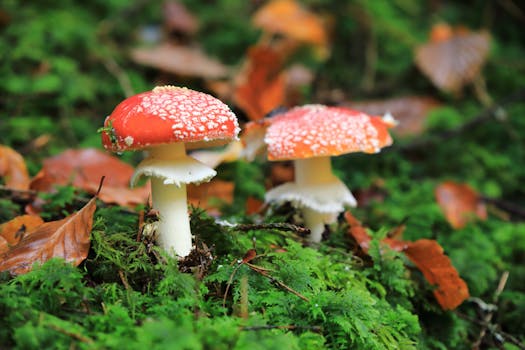
Mushroom poisoning can result from ingesting these toxic boletus, which contain compounds that can disrupt various bodily functions. They can deceive foragers with their sometimes alluring appearance, which is why understanding their features is vital for mushroom foraging in Spain.
Education on safe identification of mushrooms is the best defense against accidental ingestion. Many local mycological societies offer courses and field trips for those interested in learning more about mushrooms in their area.
¿Cuáles son los boletus venenosos más comunes en España?
- Boletus satanas – Easily recognizable by its large size and reddish base.
- Amanita phalloides – Known as the “death cap,” this mushroom is highly toxic and can be mistaken for edible varieties.
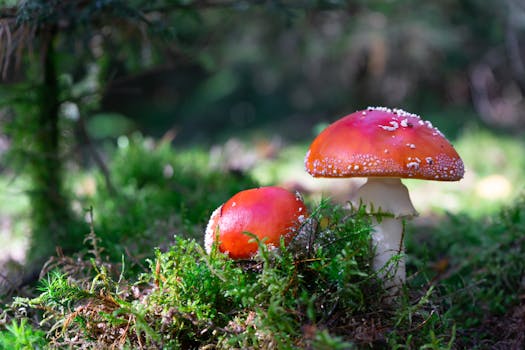
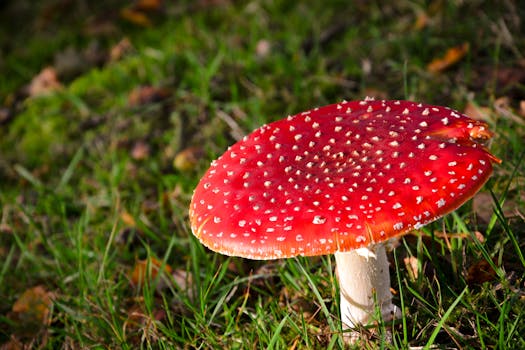
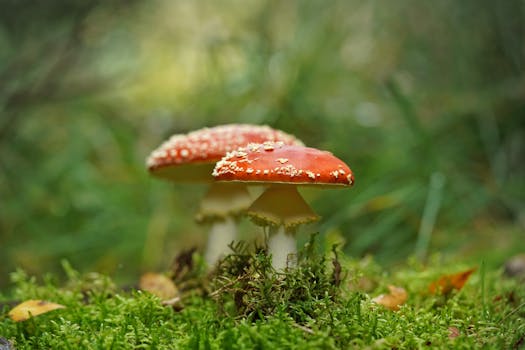
- Amanita muscaria – The iconic red and white spotted mushroom, which is poisonous and has psychotropic properties.
- Galerina marginata – A small brown mushroom that contains deadly amatoxins.
- Cortinarius orellanus – Features an orange cap and is known for causing kidney damage.
¿Cómo identificar el boletus satanás?
The Boletus satanas, or Satan’s boletus, is one of the most notorious poisonous mushrooms. It has a distinctive ivory to a light grey cap, which can reach up to 30 cm in diameter, and a bulbous red-streaked stem, which is one of its most recognizable features.
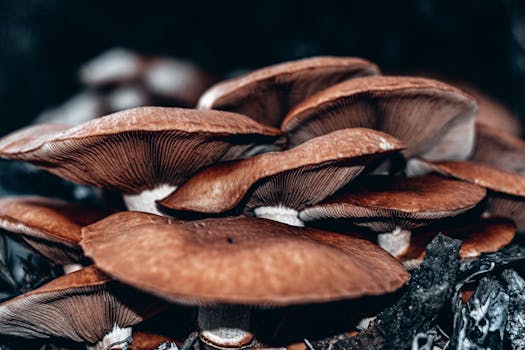
It typically grows in calcareous soils in warm, broad-leaved woodlands. The mushroom’s flesh will also bruise blue when damaged, which is a warning sign of its toxicity. However, one should never touch or handle unknown mushrooms without proper protection.
For those new to foraging, it is highly recommended to go with an experienced guide or use a reliable field guide when identifying mushrooms, as it is easy to mistake toxic for edible species.
¿Qué hace a una seta peligrosa?
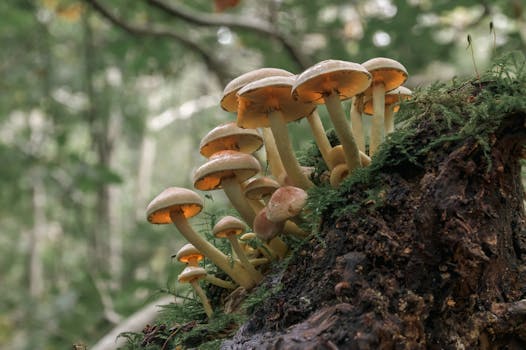
A mushroom becomes dangerous due to the presence of toxins that can cause adverse effects when ingested. These toxins can vary and affect different systems within the body, such as the nervous system, liver, or kidneys.
The symptoms of mushroom poisoning can sometimes take hours or even days to appear, complicating the diagnosis and treatment. Some mushrooms contain compounds that can be carcinogenic or cause long-term health issues.
It’s imperative to note that cooking or drying does not neutralize many mushroom toxins. Hence, correct identification and knowledge of local species are paramount for safe foraging.
¿Boletus satanás es mortal?
While not always fatal, ingestion of Boletus satanás can lead to severe gastrointestinal distress and, in some cases, can be life-threatening if not treated promptly. Symptoms can include vomiting, diarrhea, and severe abdominal pain.
Treatment for poisoning typically involves activated charcoal to bind toxins and supportive care, such as fluids and electrolytes to counteract dehydration. It’s critical to seek medical attention immediately if you suspect ingestion of this or any other poisonous mushroom.
Prevention remains the best strategy against mushroom poisoning. Ensuring that every mushroom is accurately identified before consumption is the most reliable way to prevent accidental ingestion of toxic species.
¿Cómo limpiar boletus de manera segura?
Cleaning mushrooms is an essential part of foraging. The safest way to clean boletus mushrooms is by gently brushing off any dirt or debris with a soft brush or damp cloth. Avoid soaking them in water, as they can absorb moisture and become soggy.
As for the poisonous varieties, it is best to avoid handling them altogether. If you must remove a poisonous mushroom from an area, use gloves and place it in a bag to prevent contact with edible species.
Remember, safe mushroom foraging also involves respecting the environment. Sustainable practices such as not picking immature mushrooms and avoiding overharvesting are crucial for preserving mushroom populations.
Resumen de las setas venenosas en España
In summary, Spain is home to several species of boletus venenosos that can pose significant health risks. Accurate identification is vital for a safe foraging experience. Learning about these species through guides, local mycological societies, and expert-led foraging trips is the best way to prevent accidental poisoning.
For those interested in the culinary aspects of mushrooms, understanding the differences between edible and poisonous varieties is equally crucial. While many boletus mushrooms are a delicacy, their toxic lookalikes must be avoided to ensure a safe and enjoyable meal.
Always practice responsible foraging by respecting nature, never overharvesting, and being absolutely certain of a mushroom’s identity before consumption. Remember, when in doubt, leave it out!
Related questions about boletus venenosos in Spain
¿Cuáles son los boletus venenosos?
In Spain, the most concerning poisonous boletus include Boletus satanas, Amanita phalloides, and Amanita muscaria, among others. These mushrooms contain various toxins that can cause serious health problems if consumed.
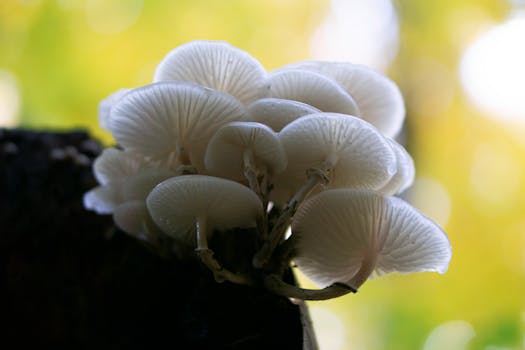
Each species has distinctive features that can help in identification. However, it’s best to consult a field guide or seek expert advice before making any final determinations about the edibility of a wild mushroom.
¿Cuáles son los hongos venenosos más comunes en España?
The most common poisonous mushrooms in Spain include Amanita phalloides, Amanita muscaria, Galerina marginata, and Boletus satanas. These species are not only common but also highly toxic and should be avoided by foragers.
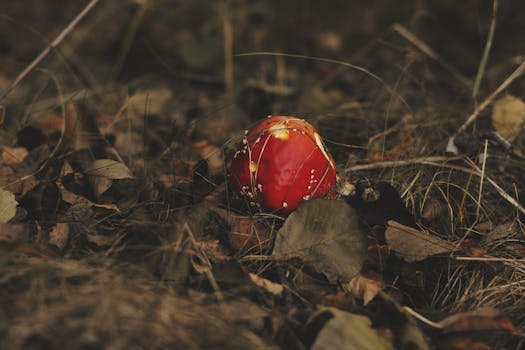
Knowledge of the local mushroom flora, cautious foraging, and a conservative approach to mushroom consumption are essential to avoid the health risks associated with these toxic fungi.
¿Cómo es el Boletus satanas?
Boletus satanas is a large, striking mushroom with a pale grey cap and a bulbous stem streaked with red. It bruises blue on contact and has a distinctive appearance that sets it apart from edible varieties.
However, one should not rely on visual identification alone. Always consult with a mycologist or use a reliable guidebook when foraging for mushrooms, especially if you are not well-versed in mushroom identification.
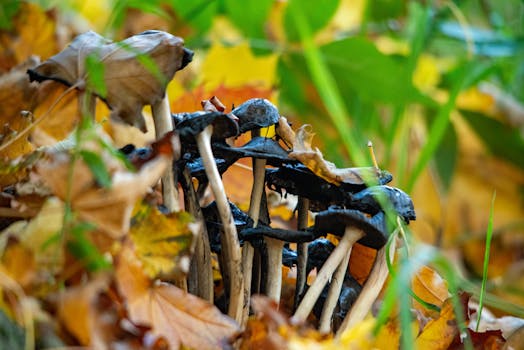
¿Boletus satanas es mortal?
While not all cases are fatal, ingestion of Boletus satanas can cause severe illness and, in some instances, death. Immediate medical attention is crucial for anyone who has consumed this toxic mushroom.
With mushroom foraging becoming increasingly popular, it is essential for foragers to be aware of the risks and to have a healthy respect for the potential dangers posed by toxic mushrooms in the wild.