Deforestation and irresponsible tree felling continue to be significant environmental concerns, posing serious threats to our planet’s health. By understanding the problem, its causes, and potential solutions, we can work towards a more sustainable future.
Table of Contents
What is tree felling?
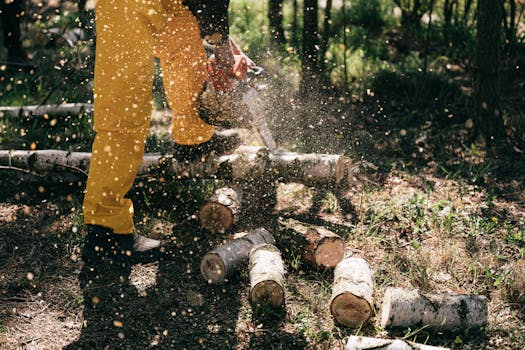
Tree felling, commonly known as deforestation, is the process of cutting down trees and clearing forests for various purposes. This practice has been carried out for centuries but has accelerated in recent years due to increased demand for land and resources.
While tree felling can be part of sustainable forestry practices, indiscriminate logging often leads to environmental degradation and loss of biodiversity. Sustainable forestry, however, aims to balance the needs of the present without compromising the future of our forests.
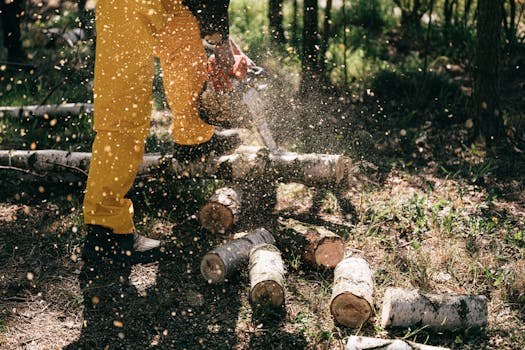
When discussing tala de arboles, it’s important to distinguish between controlled logging, which can be part of an ecological management plan, and illegal or unsustainable logging, which contributes to deforestation and habitat loss.
Causes of tree felling
The leading causes of tala de arboles include agriculture expansion, timber extraction, and urban expansion. As the global population grows, so does the demand for land to grow food and for space to build homes and infrastructure.
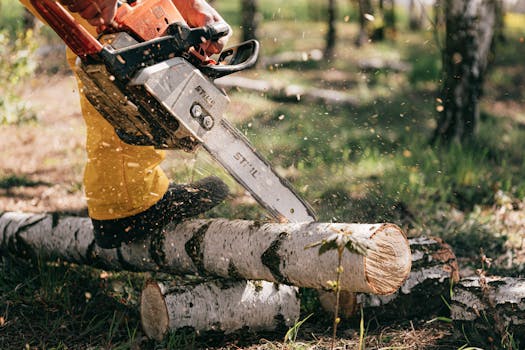
Resource extraction, such as mining and the pursuit of valuable hardwoods, also drives deforestation. These activities not only strip the land of its trees but also disrupt local ecosystems and biodiversity.
Another significant cause is the need for fuelwood and charcoal, especially in developing countries, where these are primary sources of energy for cooking and heating.
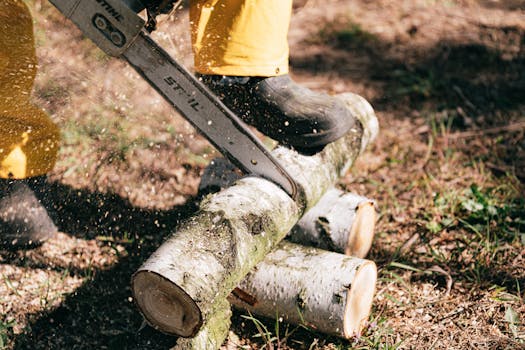
Consequences of indiscriminate tree felling
- Soil erosion and desertification, leading to loss of fertile land.
- Increased greenhouse gas emissions, exacerbating climate change.
- Diminished biodiversity, resulting in a loss of plant and animal species.
- Disruption of water cycles, affecting local climates and agriculture.
- Social consequences for indigenous communities who rely on forests for their livelihoods.
Solutions to curb deforestation
To address the issue of tala de arboles, multiple strategies can be implemented. Promoting sustainable forestry practices is crucial, ensuring that forests are managed responsibly and that new trees are planted to replace those that are cut down.

Enforcing environmental regulations can also help protect forests from illegal logging. Community actions against deforestation are essential, as local and indigenous communities often play a vital role in forest conservation.
Supporting reforestation and afforestation efforts can restore degraded lands and mitigate some of the damage done by deforestation. These initiatives often involve planting native species to promote a return to the natural ecological balance.

Prevention of indiscriminate tree felling
Tree felling prevention strategies include creating protected areas where logging is prohibited and implementing certification schemes for timber and other forest products.
Education and awareness campaigns can also play a significant role in preventing deforestation by informing consumers about the impacts of their purchases and encouraging them to choose sustainably-sourced products.

Technological solutions, such as satellite monitoring, can help authorities detect illegal logging activities and enforce forest laws more effectively.
Initiatives in support of trees and forests
Various international and local organizations have launched initiatives aimed at protecting forests and promoting sustainable management. These include reforestation projects, campaigns against illegal logging, and programs that support sustainable livelihoods for forest-dependent communities.
Organizations like Ecólatras work to engage the public in environmental conservation efforts, raising awareness about the importance of trees and forests, and mobilizing action towards their protection.
Furthermore, certification programs like FSC (Forest Stewardship Council) and PEFC (Program for the Endorsement of Forest Certification) provide guidelines for responsible forest management and offer assurance to consumers that the products they buy come from sustainably managed forests.
Impact of tree felling on the environment
The impact of tree felling on biodiversity is profound. Forests are home to the majority of terrestrial species, and their destruction can lead to the extinction of plants and animals.

Deforestation also contributes to climate change by reducing the planet’s capacity to absorb carbon dioxide, a major greenhouse gas. Trees play a critical role in sequestering carbon, and their removal releases stored carbon back into the atmosphere.
Losing forests affects not just the wildlife that lives within them but also the human populations that depend on them for resources, medicine, and clean water.
Related questions about tree felling and deforestation
How does tree felling affect us?
Tree felling has a direct impact on climate regulation, water cycles, and soil fertility, affecting agriculture and leading to food insecurity. It also increases our vulnerability to climate change due to the loss of forests that act as carbon sinks.
The removal of trees can lead to air quality issues, as trees play a vital role in filtering pollutants and providing oxygen. Urban areas, in particular, can suffer from a lack of green spaces, which contribute to the physical and mental well-being of their inhabitants.
What is tree felling?
Tree felling is the process of cutting down individual trees or clearing large areas of forest. This can be done for legitimate reasons, such as timber production or land clearing for agriculture, but it becomes problematic when it is done unsustainably or illegally.
Understanding the balance between ecological necessity and human needs is essential in defining responsible tree felling practices.
What damage can tree felling cause?
The damage caused by tree felling includes ecological imbalance, loss of species, and disruption of local communities. It also leads to long-term environmental issues like soil degradation and increased carbon emissions.

From an economic perspective, the damage can also be significant, as forests provide numerous resources and ecosystem services that are difficult to quantify monetarily.
Why is it important not to fell trees indiscriminately?
Preserving trees is critical for maintaining ecological balance and supporting life on Earth. Trees provide habitat for wildlife, regulate climate, and are integral to many cultures and economies.
Indiscriminate felling can lead to irreversible damage to the environment and exacerbate global issues like climate change and species extinction.
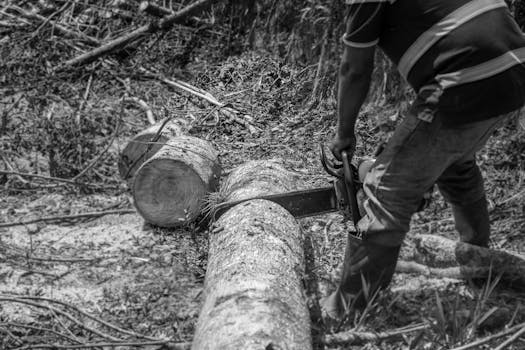
To further illustrate the topics discussed in this article, let’s take a look at some visual content:
Another informative resource is found in this video:
For a deeper understanding of the effects of tree felling on biodiversity, watch this video:
Community actions play a significant role in combating deforestation:
Lastly, understanding the consequences of illegal logging can empower us to make more informed decisions:
By comprehensively addressing the issue of tala de arboles, we can foster a more informed and engaged public committed to preserving our vital forest ecosystems for future generations.