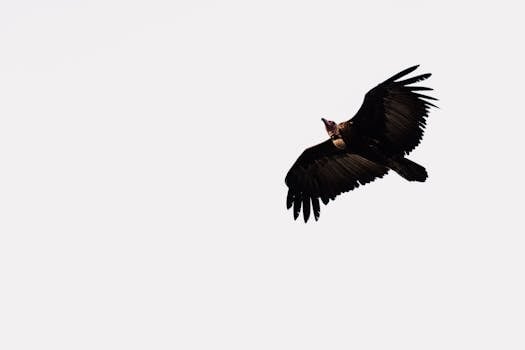
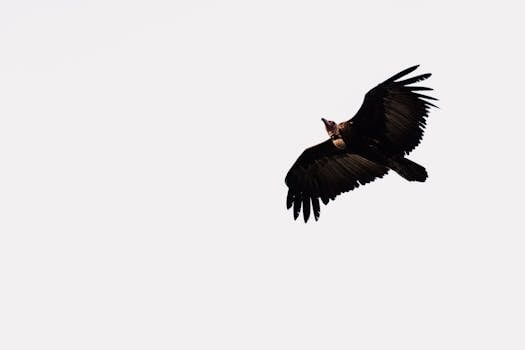
The majestic Andean condor is a symbol of power and freedom in South American culture. Its impressive wingspan and soaring flight inspire awe and respect. Sadly, the survival of this noble creature is under threat. In a hopeful turn of events, a young Andean condor recently rescued in San Luis is now being nurtured back to health at the Ecoparque in Buenos Aires.
What is the condor?
Table of Contents
- Understanding the majestic Andean condor
- Distinctive features of the Andean condor
- Rehabilitation of a juvenile Andean condor in Argentina
- Conservation outlook for the Andean condor
- Habitats and range of the Andean condor
- Efforts to safeguard the endangered Andean condor
- Frequently asked questions about the Andean condor
Understanding the majestic Andean condor
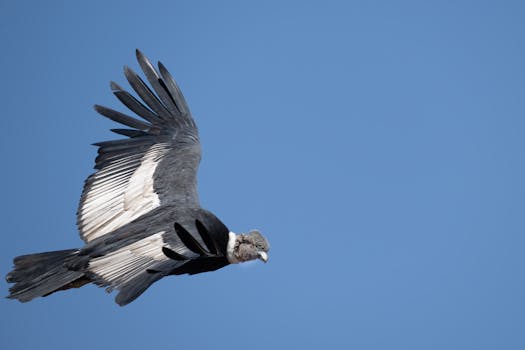
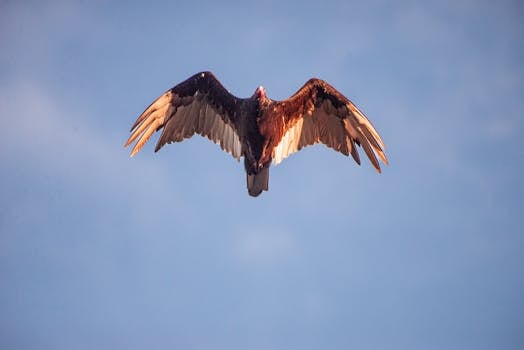
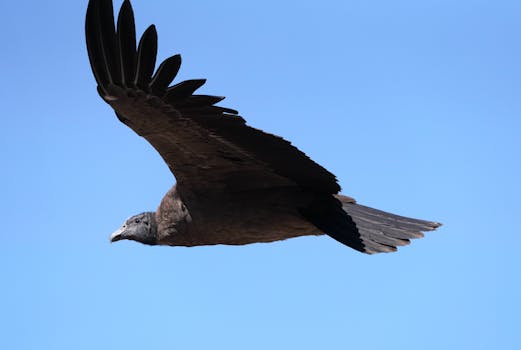
The Andean condor is not just any bird; it is an avian giant with a wingspan that can reach up to 3.3 meters, making it one of the largest flying birds in the world. This powerful scavenger is renowned for its ability to glide through the air for hours, hardly flapping its wings. The condor plays a crucial role in the ecosystem as a natural cleaner, feeding on carcasses and preventing the spread of disease.
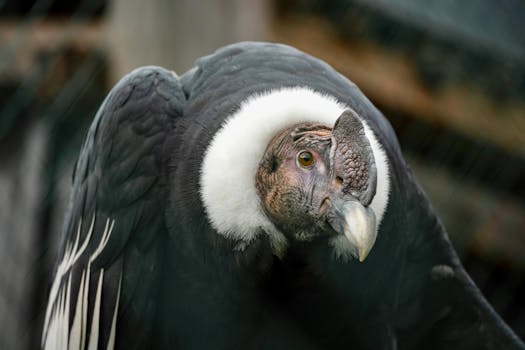
With a predominantly black body and stark white ruff around the neck, the Andean condor is easily identifiable. The male of the species is further distinguished by a large, fleshy crest on the crown of its head. These birds are known for their long lifespan, which can extend beyond 70 years in captivity.
Historically revered in Andean cultures, the condor is featured prominently in folklore and indigenous art. It is regarded as a symbol of power and health, often associated with the sun deity, and believed to bring the day and dispel the night.
What are the characteristics of the condor?
Distinctive features of the Andean condor
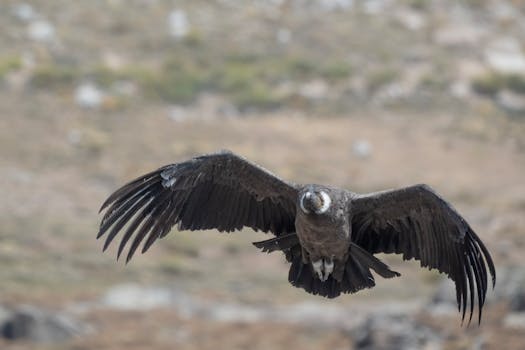
The Andean condor is a bird that is as striking as it is imposing. Its most notable characteristic is its size; with a wingspan that can exceed 10 feet, it’s the largest raptor in the world. This bird’s ability to soar to incredible heights is facilitated by thermal air currents which it uses to conserve energy.
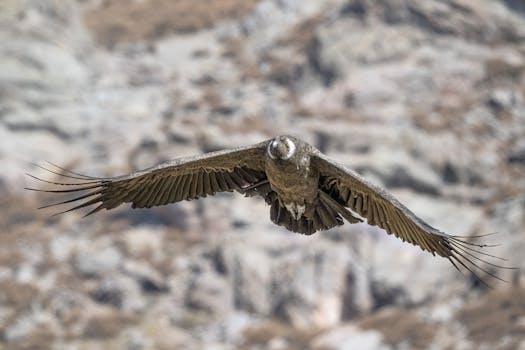
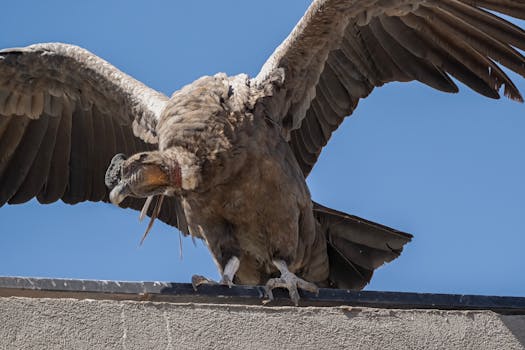
Another defining feature of the condor is its bare head and neck, an adaptation that helps maintain hygiene as it feeds on carrion. The bird’s eyesight is acute, allowing it to spot food from great distances. Moreover, the feet of the condor are not equipped for grasping, which differentiates it from other birds of prey.
The social structure of condors is fascinating. They mate for life and engage in significant parental investment, with both parents sharing the responsibility of caring for their young. This cooperative behavior extends to their communal roosting habits, where multiple birds share the same cliffs for resting.
How does a young condor recover in Argentina?
Rehabilitation of a juvenile Andean condor in Argentina
Recovery for a juvenile condor involves meticulous care and attention. In Argentina, specialized rehabilitation programs like the one at Ecoparque Buenos Aires are crucial. The young condors are provided with a safe environment to heal and develop their flight skills, an essential aspect for their survival in the wild.
The process often involves socializing the young birds with a group of mature, socialized condors, which can help them learn essential survival behaviors. Staff at these facilities use a combination of naturalistic environments and human intervention to promote the wellbeing of the birds, ensuring that they remain wild enough to be released back into their native habitats.
The rehabilitation program includes monitoring the birds’ health, providing a balanced diet, and ensuring they get the necessary exercise for muscle development. By enhancing their flying abilities, these recovery efforts prepare the condors for a successful return to the wild.
What is the future of the Andean condor?
Conservation outlook for the Andean condor
The future of the Andean condor is inextricably linked to conservation efforts. While the species is currently listed as Near Threatened, efforts like the PCCA (Project for the Conservation of the Andean Condor) aim to reverse this trend. Successful rehabilitation and release initiatives give hope for the stabilization and growth of condor populations.
These programs emphasize the importance of habitat conservation, anti-poaching measures, and public education. By addressing threats like lead poisoning from ammunition and habitat loss, conservationists are fighting to secure a viable future for these birds.
Collaboration is key in these endeavors, bringing together government agencies, NGOs, and local communities. The process of securing a sustainable future for the Andean condor also provides a valuable model for the conservation of other endangered species.

Where is the Andean condor found?
Habitats and range of the Andean condor
The Andean condor primarily dwells in mountainous regions along the Andes in South America. These birds prefer open grasslands and alpine areas where thermal currents are abundant, facilitating their incredible gliding abilities.
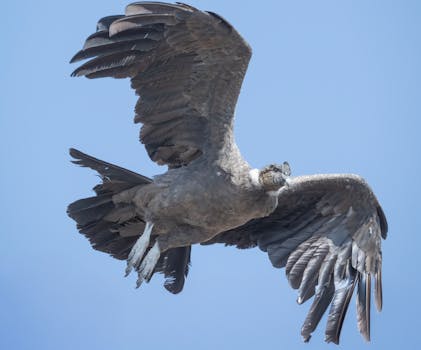
Despite its name, the condor’s range is not limited to the Andes. It can be found from Venezuela to the southern tip of Chile and Argentina. Unfortunately, their numbers are dwindling due to human activities, and they have vanished from many areas where they once thrived.
Conservation efforts are focused on preserving and restoring the condor’s natural habitats. Protected areas and national parks play a critical role in providing safe havens for these birds to live and breed.

How is the condor being protected from extinction?
Efforts to safeguard the endangered Andean condor
To protect the endangered Andean condor, extensive conservation programs have been implemented. These efforts address various threats such as habitat destruction, direct persecution, and secondary poisoning.
Initiatives such as captive breeding programs aim to bolster population numbers. The release of these birds into the wild, alongside habitat restoration projects, ensures that they have a home to return to and a chance for survival.
Legislation is also in place to protect condors. In several countries, laws prohibit hunting and the use of poisons that could harm these birds. Additionally, educational campaigns are helping to raise awareness about the condor’s plight and the need for conservation.
Related questions about the Andean condor
Frequently asked questions about the Andean condor
Is the condor dangerous?
Understanding the nature of the Andean condor
The Andean condor is generally not dangerous to humans or live animals since it is primarily a scavenger, feeding on carcasses. However, it is vital to maintain a respectful distance from any wild animal, particularly during nesting or feeding times when they may be more defensive of their territory.
While condors do not pose a significant threat, their presence is essential for the ecosystem, as they help clean the environment by consuming dead animal matter. Therefore, instead of fearing these magnificent birds, we should focus on their preservation.
What is the condor?
The essence of the Andean condor
The condor is a symbol of strength and resilience in the Andean regions. An adult Andean condor is a sight to behold, with its imposing wingspan and graceful flight. This bird represents a critical part of the ecological balance, fulfilling the role of a primary scavenger.
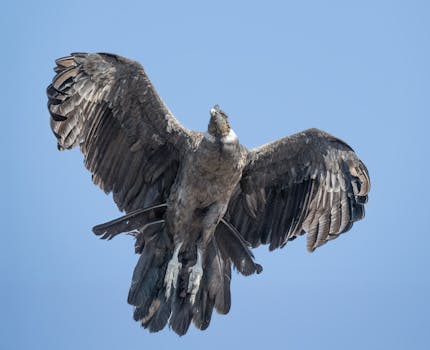
The respect and admiration for the condor are evident in indigenous cultures where it holds a place of honor in myths and legends. The preservation of this species is not only an ecological imperative but also a cultural one.
How big is the largest condor in the world?
The size of the largest Andean condor
The largest recorded Andean condor had a wingspan of over 3.3 meters (10.8 feet), making it one of the most impressive birds on the planet. These dimensions allow the condor to be masterful at soaring, using minimal energy as it traverses the sky.
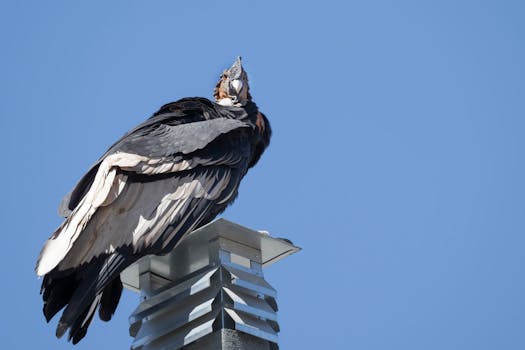
However, the size of these birds can also make them more vulnerable to the loss of open spaces and safe roosting sites. Conservation of their natural habitats is critical to ensure that they can continue to thrive and soar above the Andean landscapes.
What curious fact does the condor have?
Unique traits of the Andean condor
One of the most intriguing facts about the Andean condor is its mating ritual, which includes an elaborate courtship dance. This dance can be quite a spectacle, with the male spreading his wings and circling the female in a show of strength and agility.
Another curious aspect is their social structure. They are known to form strong bonds within their community, often sharing food and nesting sites. These behaviors indicate a complex social intelligence, adding to the many reasons why we should strive to protect these incredible creatures.
In conclusion, the story of the young Andean condor in Argentina is a beacon of hope for conservationists. Through dedicated efforts in rehabilitation, habitat preservation, and public education, there is a clear path forward for ensuring the survival of this majestic species. As we learn more about the condor’s significance in both ecological and cultural contexts, it becomes increasingly vital to support the initiatives that keep these birds soaring high in the skies of South America.