Bromelias are as fascinating as they are beautiful, offering a vibrant splash of color to any home or garden. These tropical plants, hailing from regions such as the Andean Mountains and Uruguayan jungles, have charmed plant enthusiasts worldwide with their striking appearance and surprisingly low maintenance requirements.
Table of Contents
Understanding bromelia care
Bearing in mind the right care essentials is crucial for healthy bromelia plants. They are known for their resilience and minimal care needs, but that doesn’t mean they don’t have preferences. Most bromelias relish indirect sunlight and consistent watering. Their lifespan includes a long flowering period, often lasting three to six months, after which they produce offsets, also known as pups. These can be propagated, giving life to new plants.
Depending on the species of bromelia, their humidity needs may vary. Varieties with thick leaves typically prefer drier conditions, whereas those with thin leaves thrive in more humid environments. When caring for bromelias indoors, it’s essential to replicate their natural habitat to some extent, ensuring adequate light and humidity levels.

Outdoor bromelias need protection from frost, which can be detrimental to their health. Creating a suitable environment for them involves positioning them in spots where they can receive filtered light and where temperatures do not drop too low.
Bromelia care for indoor or outdoor settings
Whether you choose to grow your bromelia indoors or outdoors, location plays a significant role in their well-being. Indoors, they flourish in bright spaces with indirect sunlight, enjoying temperatures between 15°C and 29°C. It’s important to shield them from cold drafts, especially those below 12°C.

Maintaining the right humidity level, around 65-75%, is vital for these tropical plants. This can be achieved by placing them on a gravel tray with water or situating them in naturally humid areas such as bathrooms. When it comes to watering, moderation is key. It’s recommended to water these plants every 5-9 days, allowing the substrate to remain moist without becoming waterlogged.
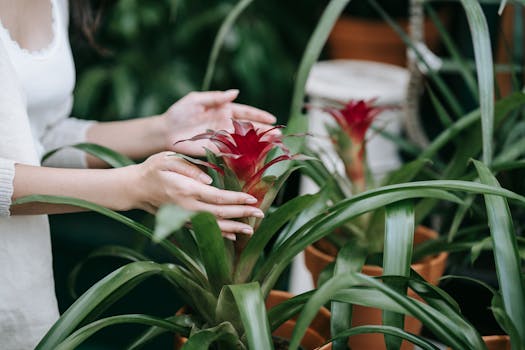
Filling the central cup of the bromelia with water is a good practice, but be cautious to prevent stagnant water, which can lead to root rot. This balance ensures that your indoor bromelias stay vibrant and healthy.
Choosing the right pot for bromelias
Selecting the appropriate pot for your bromelia is not just about aesthetics; it also affects the plant’s health. The ideal pot should provide sufficient drainage to prevent water from accumulating at the bottom, which could harm the plant’s roots.
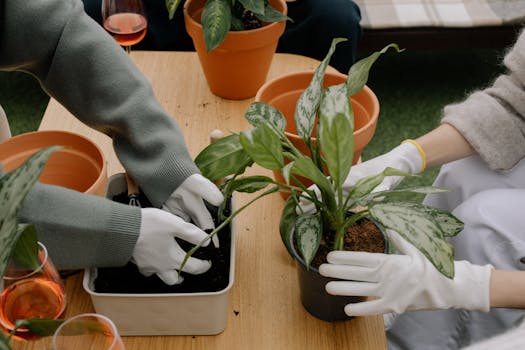
Materials like terracotta or breathable fabric pots can be beneficial for regulating moisture levels. The size of the pot should correlate with the size of the plant, providing enough space for growth without being excessively large, as bromelias prefer snugger spaces.
When repotting, which is often done after the plant has finished flowering and pups have formed, ensure that the new pot continues to meet these criteria and that the substrate used provides good aeration and drainage.
Watering and fertilization practices
Correctly watering your bromelia is fundamental. The method of filling the central cup mimics how they receive moisture in their natural habitat. However, the water should be emptied periodically to refresh the supply and prevent bacterial growth.
When it comes to fertilization, bromelias are not demanding. A light feeding with a balanced, water-soluble fertilizer during the growing season can suffice. It’s essential to dilute the fertilizer to prevent the buildup of mineral salts, which may damage the plant.
Overwatering is a common mistake among bromelia caretakers. Ensuring that the soil stays moist but not soaked is the best course of action. If the leaves begin to show signs of yellowing or the base becomes soft, these could be indications of overwatering.
Different types of bromelias
Bromelias come in an array of types, each with its unique features and requirements. Recognizing the specific needs of your bromelia type is essential for its success. Some varieties prefer more light, while others might require higher humidity levels.
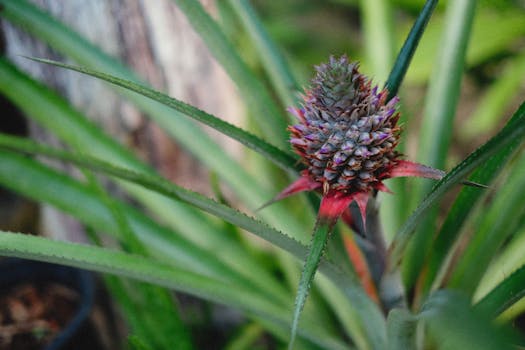
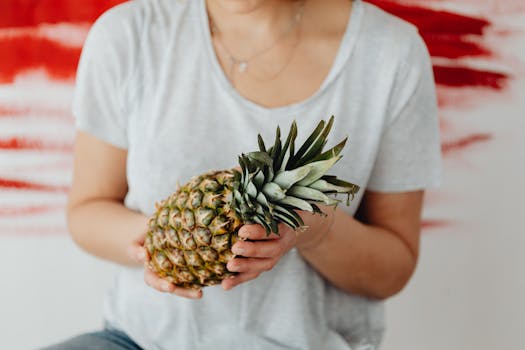
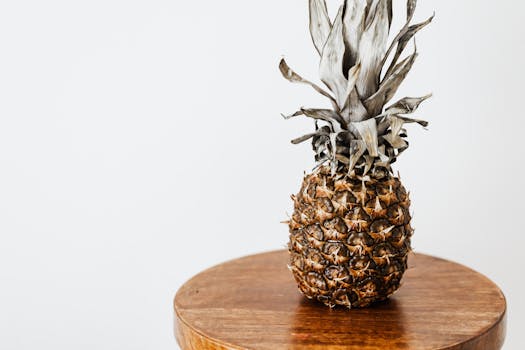
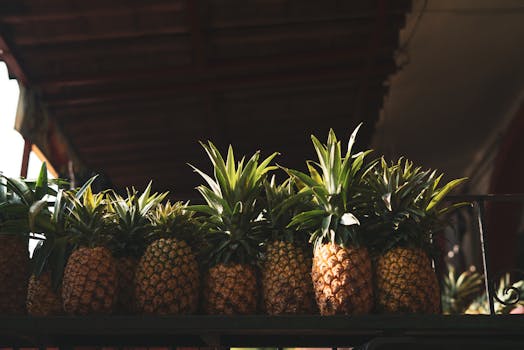
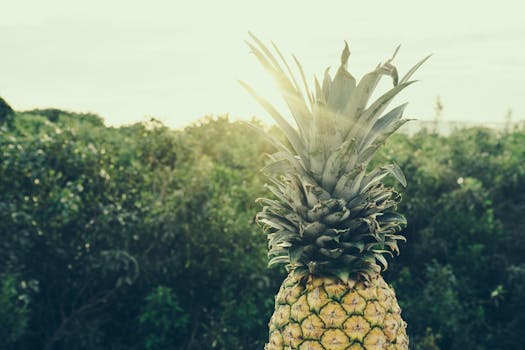
The Aechmea and Guzmania genera, for instance, are popular among indoor gardeners due to their vibrant flower bracts and ease of care. Meanwhile, the Pineapple plant, a member of the bromelia family, enjoys more direct sunlight and can even bear fruit under the right conditions.
When selecting a bromelia, consider the environment you can provide and choose a type that will thrive under those conditions. This proactive approach will lead to a healthier plant and a more rewarding gardening experience.
Addressing common bromelia care questions
When it comes to bromelia care for beginners, a few common questions often arise. Addressing these upfront can help ensure that your bromelias get the best start in your care.

How do you take care of a potted bromelia?
For potted bromelias, ensure the pot provides ample drainage and use a well-draining potting mix. Water sparingly, allowing the soil to dry slightly between waterings, and fill the central cup with water, emptying it weekly.
Bromelias in pots may also benefit from a light application of fertilizer during the growing season but avoid over-fertilizing, which can harm the plant. Place the pot in a spot with bright, indirect sunlight and maintain a consistent temperature and humidity level.
Where should you place a bromelia in your home?
The ideal spot for a bromelia in your home is an area with ample indirect sunlight, such as near a window with a sheer curtain. Avoid locations with direct afternoon sun, which can scorch the leaves. The room should have stable temperatures and good air circulation without drafts.
Consider areas like living rooms or kitchens, where the humidity tends to be higher, or use a humidifier to maintain the necessary humidity levels. Be sure to rotate the plant periodically for even growth and light exposure.
What should you do when a bromelia’s flower dries out?
After a bromelia’s flower dries out, it’s a natural part of the plant’s lifecycle. Remove the dried flower to redirect the plant’s energy to producing pups. Use sterile scissors to cut the dead flower stalk at the base without damaging the mother plant.
In time, the plant will focus on producing offsets, which you can separate and pot individually once they’ve grown to about one-third the size of the parent plant. This process allows for new growth and keeps the bromelia population thriving in your care.
How should you water bromelias?
Watering bromelias involves filling their central cup with water, which should be flushed out regularly to prevent stagnation. The surrounding soil should be watered moderately, ensuring it remains moist but not soggy.
Using rainwater or distilled water can be beneficial for bromelias, as they can be sensitive to the chemicals found in tap water. During the winter months, reduce the frequency of watering as the plant’s growth slows down.
Caring for bromelias can be a delightful and fulfilling aspect of indoor gardening. With their minimal care requirements and exotic appearance, they offer a touch of the tropics to any environment. By understanding and catering to their specific needs, you can enjoy the vibrant beauty of bromelias for years to come.