Carnivorous animals—those majestic and sometimes fearsome creatures that roam diverse habitats across the globe—play a pivotal role in the natural balance of ecosystems. These predators, with their acute senses and specialized diets, have fascinated humans for centuries, and their importance in the food chain is undeniable.
Table of Contents
What are carnivorous animals?
Carnivorous animals are species that primarily feed on other animals. Their diets consist predominantly of meat, which they acquire through predation or scavenging. These animals have evolved physical adaptations like sharp teeth and claws, strong jaw muscles, and often enhanced senses to help them capture and consume their prey efficiently.
Their role in the food chain is vital, as they help control the populations of other species, preventing overpopulation and the depletion of resources. Moreover, their feeding habits contribute to the cycling of nutrients through ecosystems.

Carnivores can be classified based on their dietary preferences: obligate carnivores, which solely depend on meat, and flexible carnivores, which occasionally consume non-meat items. Examples of obligate carnivores include big cats like lions, while bears are an example of more flexible carnivores.
Types of carnivorous animals
Carnivores come in various forms and can be found both on land and in water. Terrestrial carnivores include the well-known lions, tigers, and wolves, while aquatic carnivores encompass species like sharks and orcas.
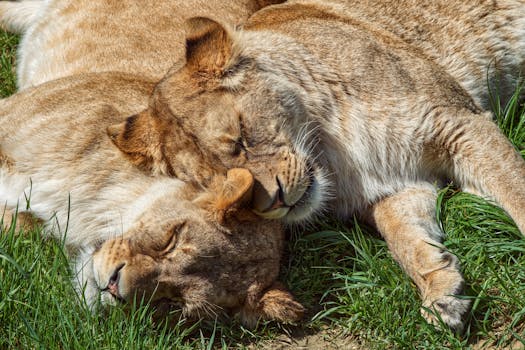
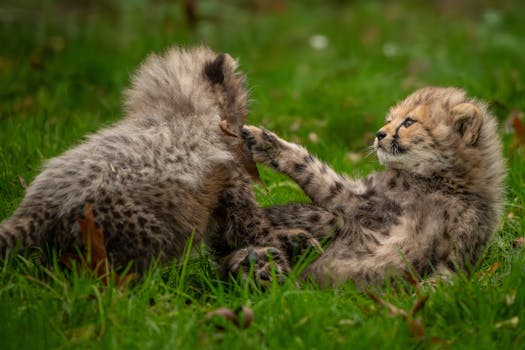
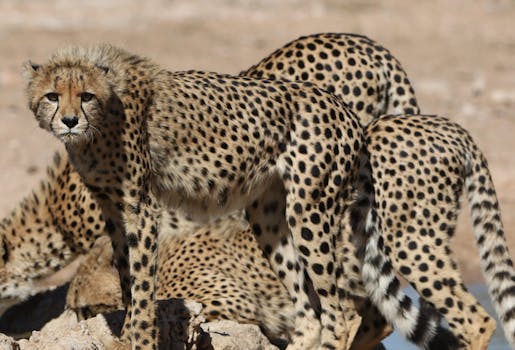
They can also be classified by their hunting style: ambush predators, such as crocodiles, lie in wait for their prey, while pursuit predators, like cheetahs, rely on speed and endurance.
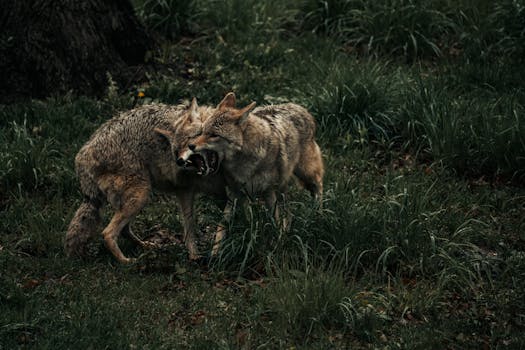
Furthermore, there are aerial carnivores like birds of prey, which have excellent vision and flight capabilities to spot and swoop down on their targets from the air.
Adaptations among these types are diverse. For example, snakes use venom to immobilize their prey, while eagles have keen eyesight to detect small animals from high altitudes.
Characteristics of carnivorous animals
Carnivorous species have traits specifically suited to their predatory lifestyle. Many possess powerful jaws and sharp canines for gripping and tearing flesh. Their digestive systems are typically shorter than those of herbivores, allowing for quick digestion of protein-rich food.
Acute senses such as vision, smell, or hearing are also common, giving these animals an edge in detecting prey. Many carnivores have large brains relative to their size, indicating high intelligence which aids in hunting strategies.
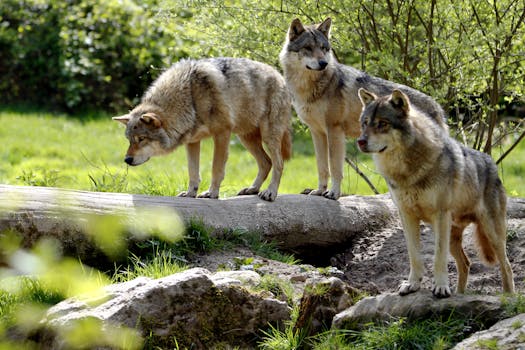
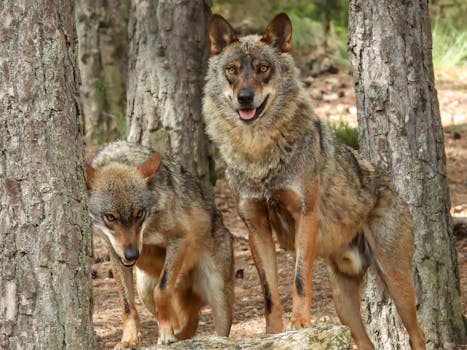
Behaviorally, carnivores often exhibit territorial and social structures that can be complex, as seen in wolf packs or prides of lions. This social behavior can play a role in hunting success and the rearing of young.
Examples of carnivorous animals
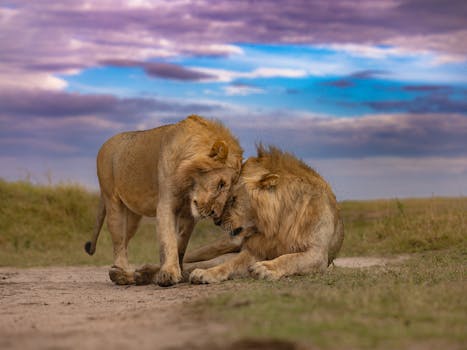
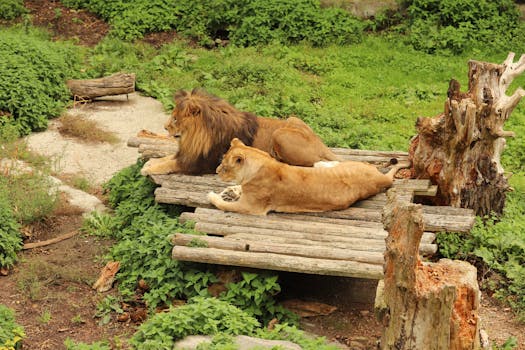
- Lions: Regarded as kings of the savannah, these felines are apex predators in their habitats.
- Sharks: These aquatic hunters are known for their sharp teeth and keen sense of smell.
- Wolves: Working cooperatively in packs, wolves are skilled hunters of the northern forests.
- Birds of prey: Eagles and hawks, with their excellent vision, are the avian world’s adept hunters.
- Snakes: With the ability to inject venom, snakes are effective at quickly immobilizing their meals.
Classification of carnivorous animals
Within the order Carnivora, carnivorous animals are sorted into families based on shared characteristics and evolutionary history. For example, the Felidae family includes cats, while Canidae encompasses dogs and wolves.
Some families, such as Mustelidae, have a wide range of dietary habits, from the strict carnivory of weasels to the more omnivorous diet of certain badgers.
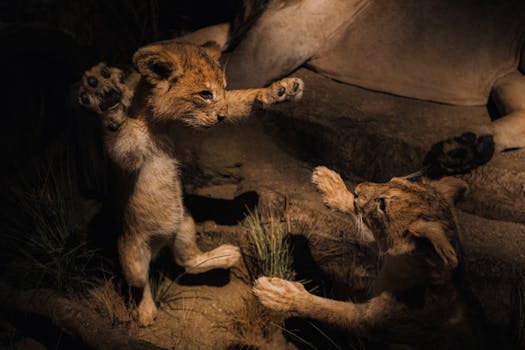
Members of this order not only vary in their diets but also in size and habitat. This classification helps scientists understand the relationships between different species and their respective roles within ecosystems.
Ecological importance of carnivorous animals
The ecological significance of carnivores cannot be overstated. As apex predators or secondary predators, they help maintain balance by keeping herbivore populations in check.
Carnivores can also affect the distribution of plant species by their impact on herbivore behavior. Their role in the food web is a cornerstone in ecosystem health and stability.
By culling weak or sick individuals, carnivores promote the health and vitality of prey populations. This natural selection pressure can lead to the evolution of various species, both predator and prey.
Related questions about carnivorous animals
What are examples of carnivorous animals?
Examples of carnivorous animals include lions, tigers, wolves, and polar bears on land, as well as sharks, killer whales, and barracudas in the water. Aerial examples would be eagles and falcons.
Each of these predators has adapted to their environment in unique ways, from the polar bear’s thick fur for cold climates to the shark’s streamlined body for efficient swimming.
What animals are carnivorous?
Carnivorous animals are those that feed primarily on other animals. This group includes mammals like the big cats, canids, and marine mammals such as seals and dolphins; reptiles such as crocodiles and most snakes; birds like hawks, owls, and other birds of prey; as well as a large variety of fish including most shark species.
Even within these broad categories, the specific diets and hunting strategies of carnivorous animals can vary greatly depending on their environment and physiological adaptations.
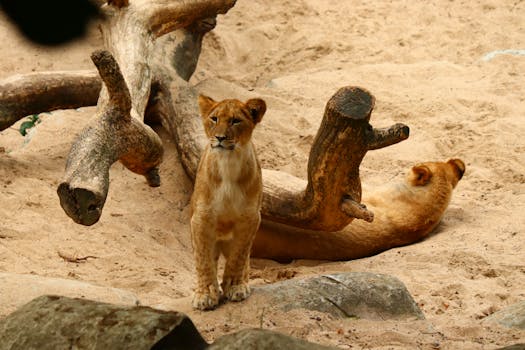
What are the top 10 herbivores?
This question falls outside the scope of our discussion on carnivorous animals, as herbivores consume plant-based diets. However, for comparison, notable herbivores include elephants, giraffes, cows, deer, and various species of hoofed mammals.
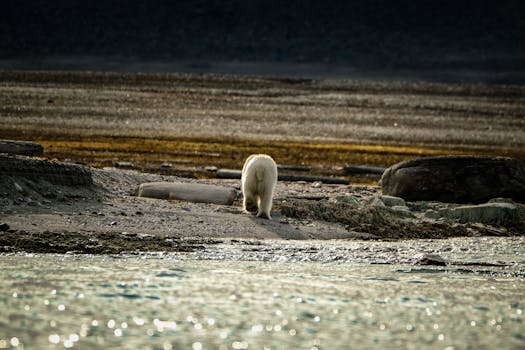
Herbivores play their own crucial role in ecosystems, often serving as prey for carnivorous animals and as important consumers of plant matter.
What are 10 omnivorous animals?
Omnivorous animals, those with diets consisting of both plant and animal matter, include species like bears, raccoons, pigs, some primates, and certain bird species such as crows and gulls.
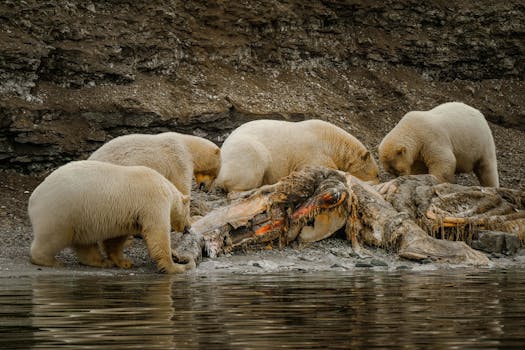
These animals have dietary flexibility that allows them to take advantage of a wide range of food sources, which can be advantageous in fluctuating environmental conditions.
In conclusion, the world of carnivorous animals is as diverse as it is vital to our planet’s ecological balance. Understanding these creatures, their habits, and their roles not only deepens our knowledge of nature but also underscores the importance of conserving their habitats and the intricate webs of life they support.