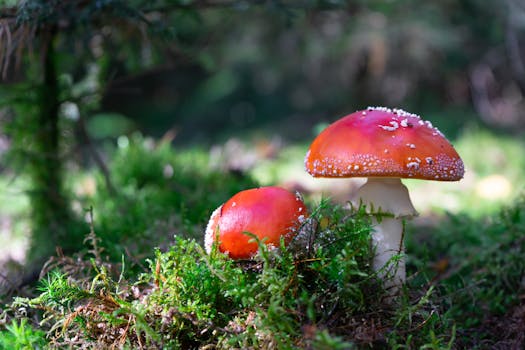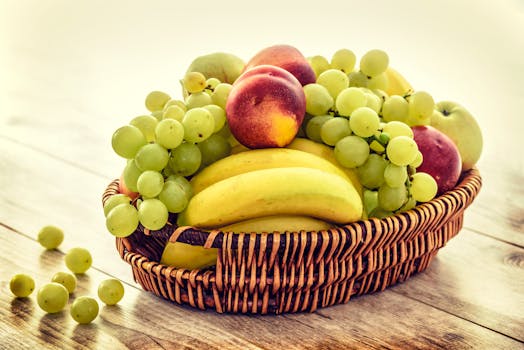
As the leaves turn vibrant shades of orange and red, the arrival of autumn brings with it a rich harvest of seasonal fruits, ripe for the picking. This time of year is ideal for enjoying the natural bounty as these fruits are not only delicious but also packed with nutritional benefits. From crisp apples to succulent pears, each fruit offers a unique taste and a host of health advantages. Let us explore the world of autumn fruits and discover how to make the most of these natural treasures.
Table of Contents
- What fruits are in season during autumn?
- How to incorporate autumn fruits into your diet?
- What are the health benefits of autumn fruits?
- What are some popular recipes using autumn fruits?
- How to choose fresh autumn fruits?
- What are the best storage methods for autumn fruits?
- Which nuts complement autumn fruits?
- Frequently asked questions about autumn fruits
What fruits are in season during autumn?
Autumn ushers in a variety of fruits that are not only delightful to taste but also offer a boost of nutrition. Among the most popular autumn fruits are apples, pears, figs, and quince. Grapes and persimmons also feature prominently, adding to the colorful selection of the season. These fruits are not just for direct consumption; they can also be preserved or used in a range of recipes, allowing us to enjoy their flavors long after the season has passed.
Seasonal fruits like these are celebrated for their freshness and flavor. They are harvested at the peak of their ripeness, which ensures that they are loaded with natural sugars, vitamins, and minerals. Integrating these fruits into one’s diet is a delightful way to enjoy the essence of autumn.
Furthermore, nuts such as chestnuts and hazelnuts complement these fruits well, adding a crunchy texture and additional nutritional value. These nuts can be enjoyed on their own or paired with fruits in various dishes, creating a fully rounded autumnal culinary experience.
How to incorporate autumn fruits into your diet?
Incorporating autumn fruits into your diet can be both fun and beneficial. Start by adding chopped apples or pears to your morning oatmeal or yogurt. For a lunchtime twist, toss a handful of grapes into a fresh salad. Snacking on figs or persimmons can satisfy your sweet tooth without the guilt, making them perfect healthy autumn snacks.
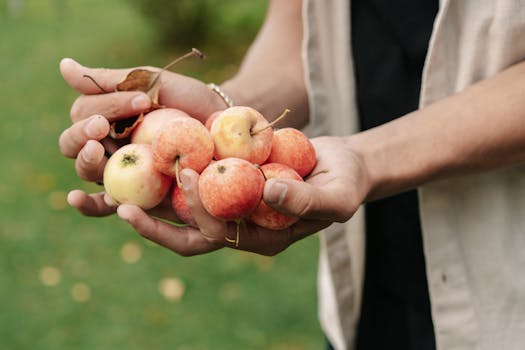
Autumn is also a fantastic time to experiment with baking. Why not try making a classic apple pie or a pear tart? These desserts showcase the fruits’ natural sweetness and are always a hit at gatherings. For something a bit more savory, roasted quince pairs wonderfully with pork or poultry, adding a touch of autumn flair to any meal.
Don’t forget to think outside the box. Infusing water with slices of autumn fruits can give a refreshing twist to your hydration habits, or creating homemade jams can bring the flavors of the season to your breakfast table year-round.
What are the health benefits of autumn fruits?
Consuming autumn fruits is not only a pleasure for the palate but also a boon for the body. These seasonal delights are packed with vitamin C and antioxidants, which are essential in boosting the immune system, especially during the colder months. The high fiber content in these fruits also aids in digestion and can help maintain a healthy weight.

The nutritional value of these fruits is considerable, with each type offering a unique set of vitamins and minerals. Apples, for instance, are known for their heart-healthy properties, while figs are rich sources of calcium and iron. The diverse range of fruits available ensures you can get a wide spectrum of health benefits by incorporating different types into your diet.
It is also important to note that eating seasonal fruits can have a positive impact on your mental health. The act of consuming fresh, in-season produce can be grounding and help one feel more connected to the natural world and its cycles.
What are some popular recipes using autumn fruits?
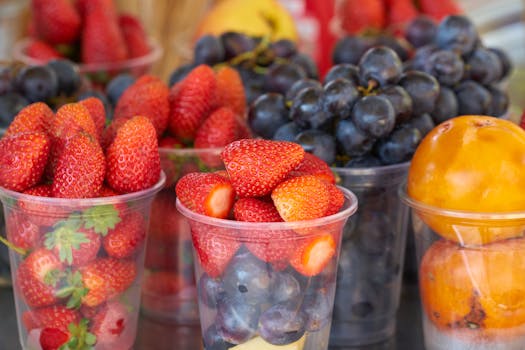
There is no shortage of autumn fruit recipes to delight your taste buds. From desserts like tarts and crumbles to savory dishes that incorporate fruits for a sweet and tangy flavor, the possibilities are endless. Poaching pears in red wine creates an elegant dessert, while baking figs with honey and goat cheese makes for a delectable appetizer.
For a comforting treat, you can’t go wrong with a homemade apple crisp. The combination of tender apples and a crispy topping is a surefire crowd-pleaser. Quince can be turned into a delightful paste, known as membrillo, which pairs wonderfully with cheese.
Don’t be afraid to get creative with these ingredients. Try adding grapes to a chicken salad for a burst of sweetness or bake a persimmon bread for a unique twist on a classic. The versatility of these fruits allows for experimentation and the discovery of new favorite dishes.
How to choose fresh autumn fruits?
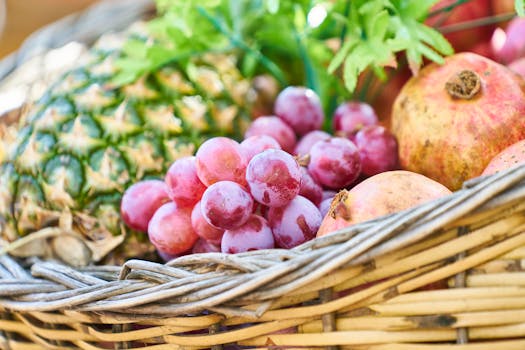
Selecting the freshest autumn fruits is key to enjoying their full flavor and nutritional benefits. When shopping, look for fruits that are firm to the touch and free of bruises or soft spots. The skin should be vibrant and indicative of ripeness without any signs of wrinkling or decay.
It’s also wise to sniff the fruits, as those that are ripe will often emit a sweet and fragrant aroma. Don’t hesitate to ask your local grocer or farmer when the fruits were harvested, as recently picked produce will be the freshest and most flavorful.

Keep in mind that organic and locally sourced fruits are likely to be the freshest options available, as they have not traveled long distances and have been grown without the use of harmful pesticides.
What are the best storage methods for autumn fruits?
Once you have your bounty of autumn fruits, proper storage is crucial to maintain their freshness. Apples and pears, for instance, are best kept in a cool, dark place or in the crisper drawer of your refrigerator. Persimmons and figs, however, should be left at room temperature until they reach full ripeness.
Grapes can be stored in a ventilated plastic bag in the refrigerator to extend their shelf life. Nuts like chestnuts and hazelnuts should be kept in an airtight container in a cool, dry place to prevent them from becoming rancid.

If you have an abundance of fruit and want to enjoy it later in the year, consider canning or freezing. This will allow you to savor the flavors of autumn long after the season has passed.
Which nuts complement autumn fruits?
Nuts are a natural complement to autumn fruits, adding texture and nutritional value to dishes. Chestnuts, with their sweet and earthy flavor, pair beautifully with apples and pears in stuffings or as part of a cheese platter. Hazelnuts add a crunchy texture and are perfect for enhancing the flavor of baked goods featuring autumn fruits.
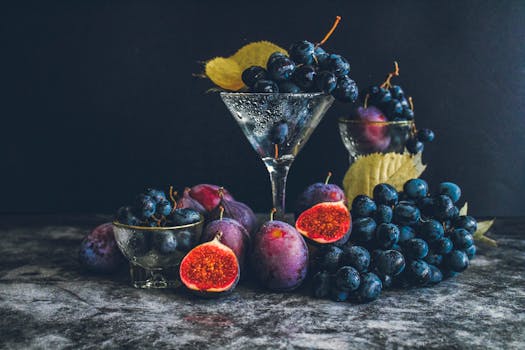
Walnuts and almonds can also be incorporated into salads that feature grapes or figs, giving each bite a satisfying crunch. These nuts are not only delicious but also provide healthy fats, protein, and fiber, making them an excellent addition to any autumn fruit dish.
Don’t be afraid to use these nuts in creative ways. They can be ground into flours for baking, chopped and sprinkled over roasted fruit, or even turned into nut butters that pair wonderfully with fresh fruit slices.
Frequently asked questions about autumn fruits
What fruits are typically harvested in autumn?
Fruits typically harvested in autumn include apples, pears, figs, persimmons, and quince. Grapes and various types of nuts like chestnuts and hazelnuts also reach their peak during this season. These fruits are celebrated for their rich flavors and nutritional content.
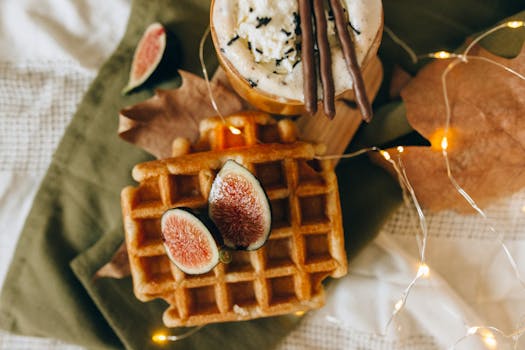
These seasonal offerings provide a great opportunity to enjoy fresh, locally-grown produce. Not only are they at their best in terms of taste and texture, but choosing seasonal items also supports local agriculture and reduces the environmental impact associated with long-distance food transport.
What is a quintessential autumn harvest fruit?
The apple is often considered the quintessential fruit of the autumn harvest. It is versatile, widely available, and can be used in a variety of culinary preparations, from sweet to savory. Apples are also abundant during autumn, with many different varieties coming into season.

Another fruit that is synonymous with autumn is the pumpkin. Though technically a squash, pumpkins are often included in discussions about autumn fruits due to their widespread use in seasonal recipes, most notably in pumpkin pie, a staple of autumn cuisine in many cultures.
What fruits are in season in autumn?
Seasonal fruits in autumn include a variety of apples, pears, grapes, and stone fruits like plums and peaches. Citrus fruits such as mandarins begin to appear later in the season, offering a refreshing tang that contrasts the richer flavors of other autumn produce.
Other fruits that ripen during autumn include kiwis, pomegranates, and late-harvest berries. These fruits provide a great way to enjoy fresh flavors and add a burst of color to any meal.

Which fruit is most associated with autumn?
The pumpkin is arguably the fruit most associated with autumn, especially due to its association with Halloween and Thanksgiving festivities. However, apples also hold a strong association with the season, as they are a staple in many autumnal traditions, such as apple picking and cider making.
Persimmons and pomegranates also have strong ties to autumn. Their unique flavors and textures make them favorite choices for seasonal dishes during this time of year.
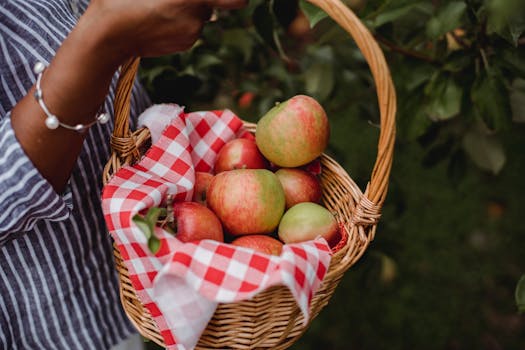
As we savor the myriad flavors and health benefits of autumn fruits, let’s not forget to appreciate the natural cycle of the seasons that brings us these gifts. Embracing the variety and richness of these fruits allows us to enjoy a diet that is not only delicious but also aligned with the natural world. So, the next time you bite into a crisp autumn apple or bake a luscious pear tart, remember the wonderful connection we have with the earth and its generous harvest.