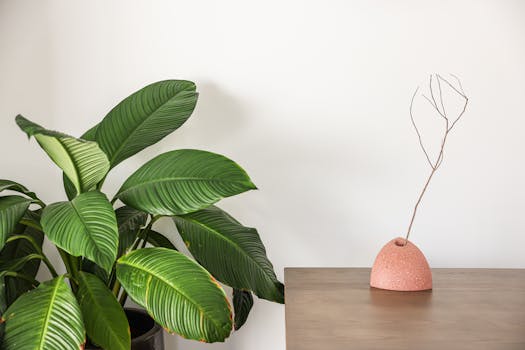
The Calathea orbifolia is a true gem among houseplants, with its broad, round leaves marked by elegant silver and green stripes that can captivate any plant enthusiast. Adapting well to indoor conditions, this plant is not only stunning to look at but also pet-friendly, making it a popular choice for households with furry friends.
Table of Contents
- What is Calathea orbifolia?
- How to identify Calathea orbifolia signs of distress?
- What are the light requirements for Calathea orbifolia?
- What are the watering needs of Calathea orbifolia?
- What is the ideal humidity level for Calathea orbifolia?
- Is Calathea orbifolia safe for pets?
- How to fertilize Calathea orbifolia properly?
- Related questions about Calathea orbifolia care
What is Calathea orbifolia?
The Calathea orbifolia is a tropical plant native to Bolivia and is well-known for its distinctive, large leaves that make it a focal point in any room. This species is part of the Marantaceae family, often referred to as the ‘prayer plant’ due to the unique movement of its leaves that mimic the action of hands in prayer.
Apart from its aesthetic appeal, the Calathea orbifolia is celebrated for its air-purifying qualities, contributing to a healthier living environment. Its ability to grow up to three feet tall makes it a significant addition to indoor spaces, where it can offer both greenery and cleaner air.

When it comes to care, the Calathea orbifolia is considered to have moderate needs. While it may not be the easiest plant to maintain, with the right conditions and consistent care, it can thrive and bring life to any indoor setting.
How to identify Calathea orbifolia signs of distress?
Understanding Calathea orbifolia maintenance tips is essential to keep your plant healthy. One of the first signs of distress is droopy or yellowing leaves, which may indicate overwatering or poor drainage. Brown leaf tips can suggest that the air is too dry or that the water used is too hard.

If you notice the leaves losing their vibrant patterns or becoming pale, this could be a result of insufficient light. Conversely, leaves that appear scorched or bleached may have been exposed to too much direct sunlight. Adjusting the plant’s position and monitoring its watering routine are key steps to resolving these issues.
Calathea orbifolia common problems also include pests such as spider mites and mealybugs. Regularly inspecting the leaves and stems for any signs of infestation will help catch these issues early and prevent more severe damage.
What are the light requirements for Calathea orbifolia?
The Calathea orbifolia growing conditions include a preference for medium to bright indirect light. This plant is sensitive to direct sunlight, which can burn its leaves, so it’s best placed in a spot where it can receive filtered light throughout the day.

If you’re unsure whether your plant is receiving the right amount of light, observe the coloring of its leaves. A healthy Calathea orbifolia should have a vibrant pattern without any signs of bleaching or burning. Adjusting your plant’s position seasonally may be necessary to ensure consistent light exposure.
For those living in lower-light conditions, worry not. The Calathea orbifolia can adapt to less light, though its growth may be slower, and patterns on the leaves might be less pronounced.

What are the watering needs of Calathea orbifolia?
When it comes to hydration, Calathea orbifolia likes to be consistently moist but not soggy. How often you should water it will vary based on factors like the temperature, humidity, and light in your home. Generally, allowing the top inch of soil to dry out before watering again is a good rule of thumb.
Using distilled or filtered water can prevent the build-up of minerals that might cause leaf burn. Ensure proper drainage by choosing pots with drainage holes and using a well-draining potting mix to prevent root rot.
Consistent watering is key, but always be cautious of overwatering, as this can lead to serious issues for your Calathea orbifolia. Monitoring soil moisture levels can help you avoid this common mistake.
What is the ideal humidity level for Calathea orbifolia?
Humidity plays a crucial role in the well-being of your Calathea orbifolia. Originating from tropical climates, this plant thrives in high humidity environments—ideally between 60% and 80%. In dryer climates or during winter months, you may need to increase humidity levels around your plant.
There are several ways to achieve this, such as using a humidifier, placing your plant on a tray filled with water and pebbles, or grouping it with other houseplants to create a microclimate with higher moisture levels.
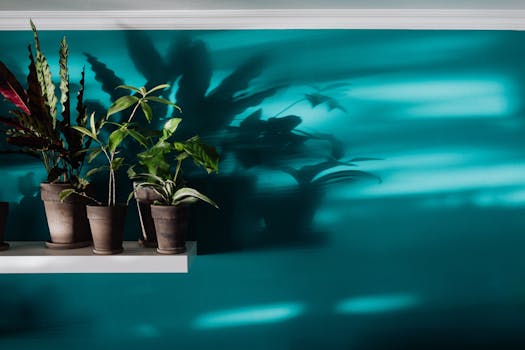
Regular misting can also help, but be careful not to overdo it, as excess moisture on the leaves can lead to fungal issues. Monitoring your plant’s response to the humidity levels will help you find the right balance for its care.
Is Calathea orbifolia safe for pets?
One of the wonderful aspects of the Calathea orbifolia is its status as a pet-friendly houseplant. Unlike many other plants that pose a risk to cats and dogs if ingested, the Calathea orbifolia is non-toxic. This makes it an excellent option for pet owners who want to add greenery to their home without worrying about the safety of their furry friends.
However, it’s still advisable to keep plants out of reach, as pets may be tempted to chew on the leaves, which can lead to damage to the plant and potential digestive upset for the animal.

By choosing a Calathea orbifolia, you can enjoy the beauty of nature indoors while maintaining a safe environment for your beloved pets.
How to fertilize Calathea orbifolia properly?
Fertilization is an important aspect of Calathea orbifolia care. During the growing season (spring and summer), it’s beneficial to feed your plant monthly with a balanced, water-soluble fertilizer diluted to half the recommended strength.
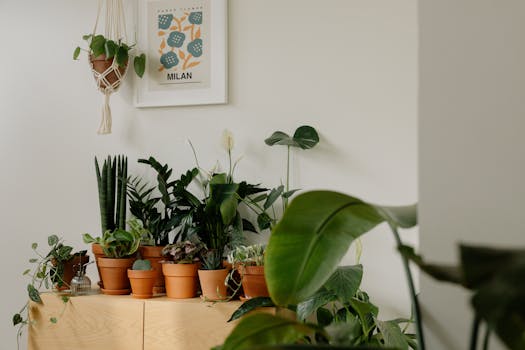
Avoid over-fertilizing, as this can lead to a build-up of salts in the soil, which can harm the roots and leaves. During the dormant period in fall and winter, you can reduce the frequency of fertilization or skip it entirely.
Ensuring that you’re using the best soil for Calathea orbifolia, which should be rich in organic matter and well-draining, will also support your plant’s nutritional needs and overall health.
Related questions about Calathea orbifolia care
Are Calathea orbifolia hard to care for?
While Calathea orbifolia is not the simplest plant to maintain, understanding its specific needs can make its care manageable. Consistency in watering, providing adequate humidity, and protecting it from harsh lighting conditions are the keys to success.

By creating an environment that mimics its native habitat, you can enjoy the lush, striking foliage of this beautiful houseplant without excessive difficulty.
Why are calatheas so difficult?
Calatheas, in general, have a reputation for being finicky due to their need for consistent moisture, high humidity, and particular light conditions. However, once you understand the Calathea orbifolia maintenance tips and establish a routine, you’ll find that these plants can be quite resilient and forgiving.
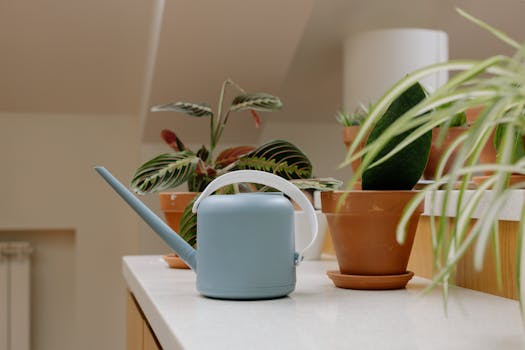
Regular observation and minor adjustments can go a long way in successfully caring for a Calathea orbifolia.
How much light does a Calathea orbifolia need?
The Calathea orbifolia light requirements include medium to bright indirect sunlight. It’s crucial to keep your plant out of direct sunlight, which can scorch its leaves, but ensure it gets enough light to maintain its vibrant patterns and healthy growth.
Finding the right balance of light may require some trial and error, but once you find the perfect spot, your Calathea orbifolia will flourish.

Where to place Calathea orbifolia?
Choosing the right spot for your Calathea orbifolia involves finding a location with suitable light and protection from drafts. Near a north or east-facing window with sheer curtains can provide the perfect amount of indirect sunlight.
Avoid placing your plant near heating vents or air conditioners, as fluctuating temperatures and airflow can cause stress. Ensuring a stable environment will support the health and growth of your Calathea orbifolia.

With proper care and attention, your Calathea orbifolia can be a long-lasting and rewarding addition to your plant collection. Remember to provide it with gentle love and care, and it will return the favor with its stunning presence in your home.