The exploration of our solar system has yielded breathtaking discoveries, none more intriguing than the transformation of Mars from a vibrant, potentially life-supporting world to the barren red landscape we know today. As we delve further into understanding the planets and their histories, the term “planeta azul” often emerges, a poetic nod to Earth’s majestic blue appearance from space. But this terminology has also become synonymous with sustainability and luxury, illustrating our planet’s fragility as well as our potential to live harmoniously within it.
Table of Contents
What is “planeta azul”?
“Planeta azul” translates to “Blue Planet” and is commonly used to refer to Earth due to its abundant water and life-giving resources. However, this term has taken on a broader meaning, encompassing initiatives focused on sustainability and environmental stewardship. One such example is the Blue Planet documentary series, which highlights the intricate beauty of Earth’s ecosystems and the critical need to protect them.
Moreover, “planeta azul” is a moniker for businesses that prioritize ecological balance, such as those producing sustainable bottled water. These enterprises strive to minimize their environmental footprint while providing high-quality products, resonating with consumers who value environmental sustainability.
In another context, “planeta azul” represents the allure of luxury travel experiences that respect and celebrate our planet’s natural beauty. These journeys are not just about opulence; they are about connecting with the environment in a meaningful way.
Blue planet or mirage?
Given the state of environmental crises facing our world, some may wonder if the concept of a “planeta azul” is merely an idealistic mirage. Despite challenges such as climate change and pollution, there remains hope. Innovative companies and initiatives continue to work towards a future where the beauty and vitality of our planet are not only preserved but also enhanced through tailor-made luxury travel and products that emphasize environmental sustainability.
The idea of a “planeta azul” is also a reminder that Earth, while unique in its ability to support life, is not the only blue planet in our solar system. Mars once had the potential to be called a “planeta azul,” with evidence suggesting it was once rich with water before it transformed into the arid planet we see today.
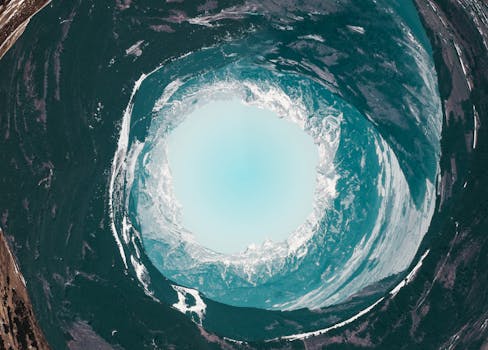
The interplay between Earth’s enduring blue and the lost blue of Mars is a stark illustration of the importance of protecting planetary atmospheres to prevent a similar fate.
Where is the “planeta azul” in the solar system?
Our “planeta azul,” Earth, occupies the third orbit from the Sun, ideally positioned within the “habitable zone” where conditions are just right to support liquid water and, consequently, life. This unique positioning, coupled with a protective atmosphere, makes Earth the only known planet in our solar system where life thrives abundantly in a vast array of environments.
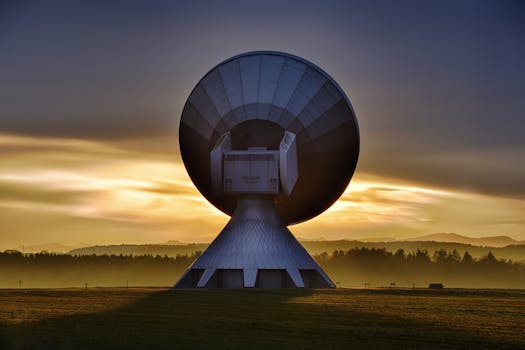
Comparatively, Mars, which also had the potential to be called a “planeta azul,” is the fourth planet from the Sun. Despite its current desolate state, Mars captivates scientists and enthusiasts alike with its past potential for water and life, as evidenced by findings from missions like the Curiosity and Perseverance rovers.
The distinction of Earth as the “planeta azul” in the solar system is a testament to the delicate balance of conditions required to sustain life, highlighting the need for its conservation.
Planeta azul Dominican Republic: What does it offer?
The Dominican Republic, with its crystal-clear waters and pristine beaches, embodies the essence of “planeta azul.” This Caribbean gem offers a slice of paradise for those seeking sustainable luxury travel and eco-friendly experiences. From breathtaking marine reserves to responsibly managed resorts, the country is an example of how tourism can coexist with conservation.
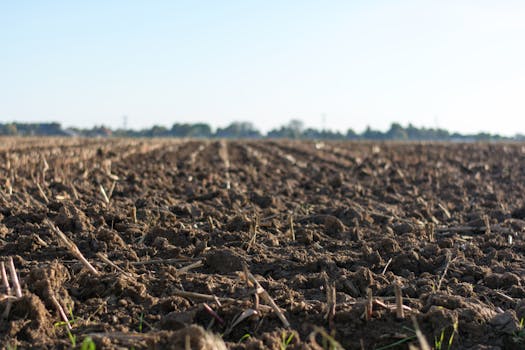
Visitors to the Dominican Republic can enjoy snorkeling in vibrant coral reefs, exploring lush rainforests, and engaging with local communities—all while supporting sustainable practices that contribute to the preservation of the “planeta azul.”
How has the “planeta azul” evolved over time?
The evolution of our “planeta azul” is a tale stretching back billions of years. From the formation of its first oceans to the emergence of complex life forms, Earth has undergone countless changes. Human civilization, in turn, has left a significant imprint on the planet, altering its landscapes, atmosphere, and ecosystems.

The concept of Earth as a “planeta azul” has also evolved, from a mere descriptor of its appearance from space to a symbol of hope and a call to action for sustainable living. The emergence of water-rich planets and the understanding of atmospheric erosion have further shaped our perspective on Earth’s uniqueness and the importance of its stewardship.
This continual evolution reminds us that our actions today will define the “planeta azul” of tomorrow, inspiring efforts towards sustainability and conservation for generations to come.
Who are the experts on “planeta azul”?
Experts on “planeta azul” span a diverse range of disciplines, from climatologists and oceanographers studying Earth’s systems to astrophysicists exploring the conditions on other planets. Additionally, environmental scientists, conservationists, and ecologists are at the forefront of advocating for sustainable practices to protect our blue planet.
In the context of Mars and its past as a potentially blue planet, experts from NASA and other space agencies have played a crucial role in uncovering the planet’s history through advanced rover missions.
Furthermore, leaders in the industry of sustainable bottled water and eco-friendly travel, such as Planeta Azul, are also considered experts, as they set new standards for responsible business practices in preserving our planet’s vital resources.
Related questions about “planet azul”
What is the blue planet called?
The blue planet is colloquially known as Earth, due to the distinctive blue hue it presents, a result of its vast oceans and life-supporting atmosphere. This moniker underscores the uniqueness of Earth in the solar system and the importance of its preservation.

Earth’s title as the “planeta azul” is a reminder of the planet’s beauty and illustrates why initiatives to protect its natural resources are imperative for the well-being of all life forms that call it home.
Which planet is called the “planeta azul”?
Earth is traditionally referenced as the “planeta azul” in the context of our solar system. It earned this title due to the prominent blue of its oceans, which cover approximately 71 percent of the planet’s surface.

This sobriquet serves not only as a descriptor but also as a symbol of the life and vibrancy that the planet’s water bodies support, emphasizing the need for their conservation.
What is the name of the blue-colored planet?
The blue-colored planet is Earth, often referred to as the “planeta azul” because of the blue appearance it exhibits when viewed from space. The color is primarily due to the scattering of sunlight by the Earth’s atmosphere and the vast expanses of ocean.

The blue of Earth stands as a stark contrast to the red of Mars, illustrating the diverse characteristics and conditions present within our solar system’s planetary bodies.
Which planet looks blue from Earth?
From Earth, it is our own planet that is known for its striking blue color when observed from space. This blue appearance is a reflection of our abundant water resources and a symbol of our planet’s capability to support a wide range of life forms.

The view of Earth as a blue jewel suspended in the vastness of space reinforces the notion of its uniqueness and the collective responsibility we have to safeguard our “planeta azul.”