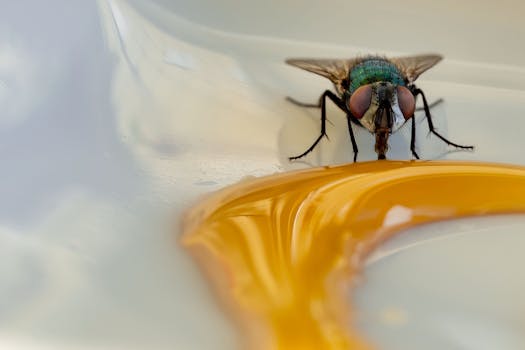
The mosca del olivo, or olive fly, is a significant agricultural pest affecting olive crops. Its presence can drastically impact the quality of olive oil produced. By understanding its characteristics and implementing effective treatment strategies, olive growers can protect their crops and ensure the sustainability of their production.
Table of Contents
- Understanding the life cycle and appearance of the mosca del olivo
- Symptoms of infestation by mosca del olivo
- Recommendations for control and treatment of the mosca del olivo
- Biological solutions for the mosca del olivo
- Strategies for monitoring and managing mosca del olivo
- What is the mosca del olivo and how does it affect the crop?
- How to prevent and combat the mosca del olivo?
Understanding the life cycle and appearance of the mosca del olivo
The mosca del olivo, scientifically known as Bactrocera oleae, is primarily found in the Mediterranean region. It lays its eggs in olive fruits, where the larvae feed and develop, causing direct damage to the crop. The life cycle of the olive fly includes several stages: egg, larva, pupa, and adult. Recognizing these stages is critical for timely and effective pest management.
Adult flies are typically around 4-5 mm long and have a dark, mottled appearance. Their presence is often identified by the puncture marks left on olives when females lay their eggs. The larvae, once hatched, burrow into the fruit, feasting on its flesh and causing internal decay.
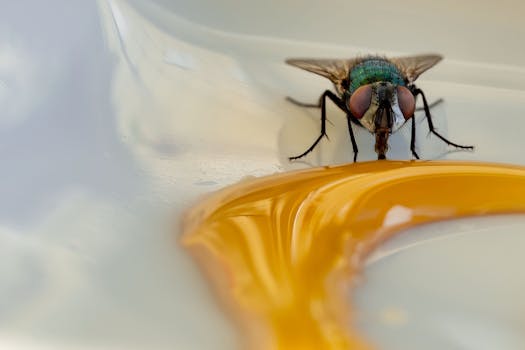
Temperature and environmental conditions play a significant role in the development and population growth of mosca del olivo. Warm weather can accelerate the life cycle, leading to multiple generations within a single growing season, thereby increasing the potential for damage.
Symptoms of infestation by mosca del olivo
Key indicators of an infestation include changes in the color and texture of olives. Growers may notice small exit holes in the fruit, softening of the flesh, and premature drop-off of olives from the trees. These symptoms can drastically reduce the overall yield and affect the sensory properties of olive oil, such as flavor and aroma.
Additionally, secondary infections often occur as fungi and bacteria enter through the openings created by the larvae. It’s essential to monitor these symptoms regularly, as early detection is crucial for controlling the infestation and limiting damage.
The impact on olive oil quality is significant, as damaged fruits lead to higher acidity levels and potential defects in the oil’s profile, which is a major concern for producers aiming for high-quality standards.
Recommendations for control and treatment of the mosca del olivo
Integrated pest management (IPM) is a holistic approach to controlling mosca del olivo. It involves a combination of biological, cultural, and chemical strategies to manage the pest population effectively while minimizing environmental impact. Monitoring through traps and regular field inspections is essential to determine the level of infestation and the need for intervention.
Cultural practices such as sanitation, pruning, and proper irrigation can help reduce breeding sites and support natural predators. Chemical treatments, if necessary, should be applied judiciously, focusing on targeted applications during critical periods of the fly’s life cycle to maximize efficacy and reduce non-target effects.

Biological control methods, including the release of parasitoids or predators, offer a sustainable alternative to chemical treatments. Companies such as Koppert provide solutions for biological control, fostering an environment where natural enemies of the olive fly can thrive.
Biological solutions for the mosca del olivo
- Natural predators such as wasps that parasitize olive fly larvae can be encouraged by maintaining habitats that support their populations.
- Microbial pesticides, like those containing the bacterium Bacillus thuringiensis, target the larvae without harming beneficial insects.
- The use of pheromone traps to disrupt mating and reduce olive fly populations is another eco-friendly tactic.
- Entomopathogenic fungi can infect and kill adult flies, serving as a natural pest control agent.
Strategies for monitoring and managing mosca del olivo
Effective monitoring is the cornerstone of successful mosca del olivo management. Pheromone and yellow sticky traps can be deployed throughout the grove to capture adults and gauge activity levels. These traps also provide insights into the timing of the flies’ life cycles, which aids in determining the optimal moments for control measures.
Geographic information systems (GIS) and remote sensing technologies are advancing the capabilities for large-scale monitoring. These tools can predict hotspots and guide targeted interventions.

Data from monitoring efforts can inform decision-making within an IPM framework, ensuring that control measures are evidence-based and strategically timed to have the greatest impact on reducing the pest population.
What is the mosca del olivo and how does it affect the crop?
The mosca del olivo is a significant pest in olive cultivation. It directly affects the crop by laying eggs in the fruit, leading to larval feeding inside the olives, which damages both the quantity and quality of the harvest.
The presence of the olive fly can lead to reduced crop yields and increased production costs due to the need for control measures. Moreover, the pest’s impact extends beyond the immediate loss of fruit as it can lower the commercial value of the olive oil produced.

Understanding the impact of mosca del olivo on both the agricultural process and the end product is crucial for farmers, as it directly relates to the economic viability of olive cultivation and the sustainability of the industry.
How to prevent and combat the mosca del olivo?
Prevention and combat against mosca del olivo start with good agricultural practices. Maintaining tree health through proper nutrition and water management can make olive groves less attractive to the flies. Regular pruning to allow sunlight penetration creates an unfavorable environment for larvae development.
Implementing exclusion methods such as fine netting can physically prevent flies from reaching the olives. Additionally, attract-and-kill strategies using bait stations can effectively reduce adult populations without widespread pesticide use.

It’s important to stay informed about the latest research and advancements in pest control. Engaging with local agricultural extensions and producer cooperatives, like Coop Lucena, can provide access to valuable resources and community knowledge-sharing.