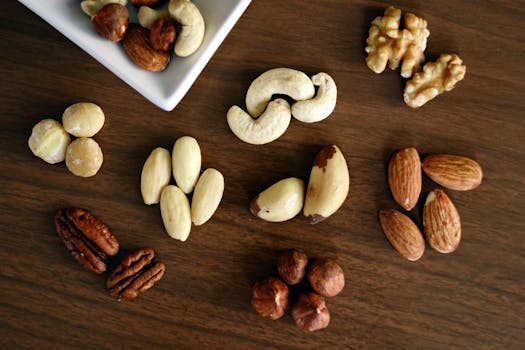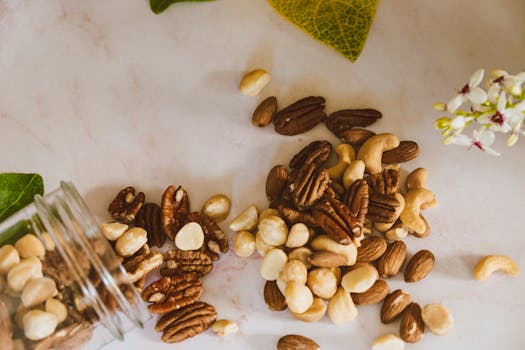
Brazil nuts are renowned for their high selenium content, a trace mineral that plays a crucial role in maintaining overall health. Not only is selenium essential for a healthy immune system and proper thyroid function, but it also provides significant benefits for the skin and metabolism, earning Brazil nuts the title of “The highest selenium-rich dried fruit recommended by nutritionists that improves skin and boosts metabolism.”
Table of Contents
What Dried Fruit Contains the Most Selenium?
Brazil nuts top the charts when it comes to selenium-rich dried fruits. Just one ounce of Brazil nuts, roughly six to eight nuts, can contain around 544 micrograms of selenium, which is far beyond the recommended daily intake for an adult. This makes Brazil nuts an unbeatable source of this essential nutrient compared to other nuts and seeds.
It’s important to note that while Brazil nuts are a fantastic source of selenium, moderation is key. Consuming too many can lead to selenium toxicity, so nutritionists generally recommend a daily intake of no more than two to three Brazil nuts.
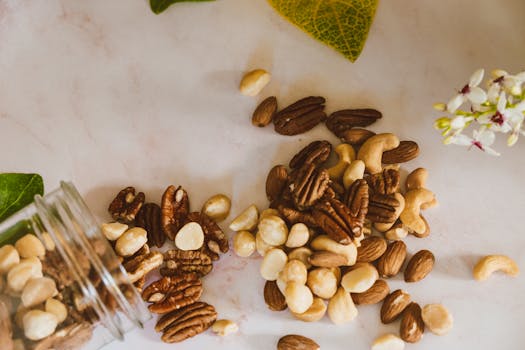
This exceptional selenium content is why Brazil nuts are celebrated for their numerous health benefits, particularly their ability to support skin health and enhance metabolic function.
How Do Brazil Nuts Improve Skin?
Brazil nuts are not only rich in selenium but also contain zinc, vitamin E, and omega fatty acids—all of which are vital for skin health. Selenium helps protect the skin against environmental damage and promotes elasticity by aiding in the production of glutathione, which regenerates vitamins C and E and revitalizes the skin.
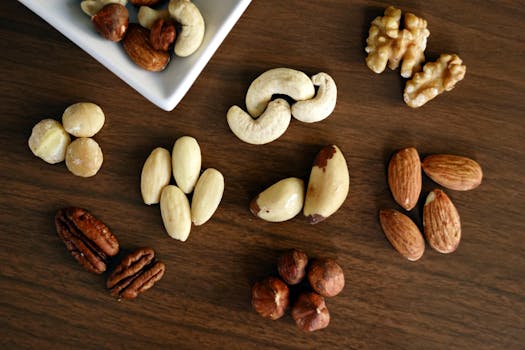
Zinc is known to reduce inflammation and promote healthy cell growth, which is why it’s often found in acne treatments. Vitamin E acts as an antioxidant, preventing UV-induced free radical damage to skin cells.
The omega fatty acids in Brazil nuts also contribute to a healthy skin barrier, maintaining moisture and protecting against aging.
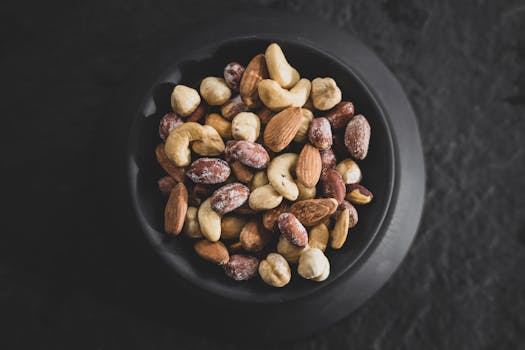
Daily Intake Recommendations for Brazil Nuts
When it comes to Brazil nuts, a little goes a long way. Nutritionists recommend a daily intake of just one to three Brazil nuts to meet your selenium needs without risking overconsumption.
Exceeding this recommendation can lead to an excessive intake of selenium, which may cause various side effects. Therefore, it’s wise to track your Brazil nut consumption and enjoy them as part of a balanced diet.
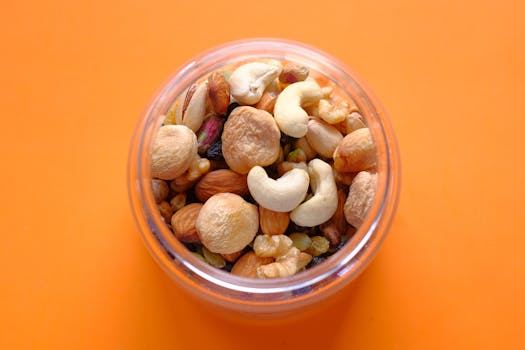
The Benefits of Brazil Nuts
Besides being the highest selenium-rich dried fruit, Brazil nuts offer an array of health benefits. They support thyroid function, which is crucial for regulating metabolism and body temperature. The antioxidants present in these nuts protect against oxidative stress and may reduce the risk of chronic diseases.
Their anti-inflammatory properties can help combat conditions such as arthritis, and the presence of omega fatty acids contributes to cardiovascular health by reducing cholesterol levels.

Furthermore, Brazil nuts are a good source of protein and fiber, making them a nourishing snack that can aid in weight management.
Where Can I Buy Brazil Nuts?
Brazil nuts are available at most grocery stores, health food stores, and online retailers. When purchasing Brazil nuts, it’s essential to look for fresh, high-quality nuts. Opt for raw or organic Brazil nuts when possible to ensure you’re getting the most nutritional value.

It’s also worth considering the sourcing of Brazil nuts, as sustainable harvesting practices not only protect the Amazon rainforest but also ensure the longevity of these nutritious nuts for future generations.
How to Consume Brazil Nuts
Brazil nuts can be enjoyed in a variety of ways, from eating them raw to incorporating them into recipes. Here are a few suggestions:
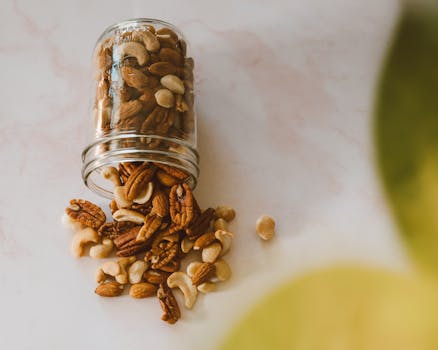
- Snack on raw or roasted Brazil nuts for a quick, healthy treat.
- Chop and sprinkle them over salads for added texture and nutrients.
- Add ground Brazil nuts to smoothies or oatmeal for a selenium boost.
- Use Brazil nut butter as a spread on toast or in desserts.
With their creamy texture and rich flavor, Brazil nuts are a versatile and delicious addition to any diet.
Related questions about the health benefits of Brazil nuts
Which dried fruit has the most selenium?
Brazil nuts hold the crown for the highest selenium content among dried fruits. They contain such a high amount of selenium that they can provide over 100% of your daily needs in just one nut.
The selenium content of Brazil nuts can vary depending on the soil they’re grown in, but they are consistently the best natural source of this nutrient.
Which dried fruit is best for selenium?
For those looking to increase their selenium intake through dried fruits, Brazil nuts are the clear winner. Their unmatched selenium content makes them the best choice for those aiming to improve their selenium levels naturally.
Consuming Brazil nuts as part of a balanced diet can help to ensure adequate selenium intake, which is important for antioxidant protection and a healthy metabolism.
Which dried fruit is the best for the skin?
Among dried fruits, Brazil nuts are particularly beneficial for the skin due to their high selenium, vitamin E, and omega fatty acid content. These nutrients work together to protect against oxidative damage, maintain skin hydration, and support collagen production.
Eating Brazil nuts regularly can contribute to a radiant and youthful complexion, making them a favorite among those interested in natural skin care.
What is the richest food source of selenium?
While Brazil nuts are the richest source of selenium among dried fruits, other excellent food sources include fish, meats, eggs, and whole grains. However, Brazil nuts are unique in that they can provide a significant amount of this essential mineral in a small serving size.
Including a variety of selenium-rich foods in your diet is crucial for reaping the many health benefits of this important nutrient.
In conclusion, Brazil nuts are a nutritional powerhouse with numerous benefits for skin health and metabolism. By incorporating these selenium-rich nuts into your diet, you can enjoy their various health advantages while also supporting sustainable agriculture practices. Remember to consume them in moderation and explore different ways to add them to your meals for a healthy, balanced diet.