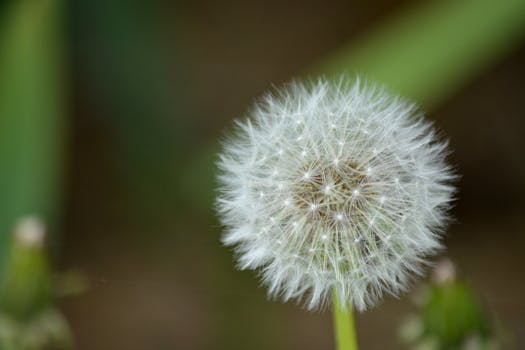
Known by its scientific name, Taraxacum officinale, the humble dandelion is far more than just a persistent garden weed. With its rich composition of vitamins, minerals, and antioxidants, dandelion has been utilized in traditional medicine for centuries. As modern research catches up, we’re beginning to understand just how versatile this plant is for supporting our health.
From aiding liver detoxification to promoting digestive health, the diente de leon para que sirve query uncovers a multitude of benefits. Let’s explore the various ways in which this plant can contribute to our well-being and how to incorporate it into our diet responsibly.

Table of Contents
- Conoce los beneficios del diente de león
- Diente de león: ¿Para qué sirve y cómo debe consumirse?
- ¿El diente de león tiene efectos secundarios?
- ¿Cómo puede ayudar el diente de león a desintoxicar el hígado?
- Diente de león: Propiedades y usos medicinales
- ¿Para qué sirve el té de diente de león en ayunas?
- ¿Cuáles son las contraindicaciones del diente de león?
- Related questions about dandelion’s health benefits
Conoce los beneficios del diente de león
The dandelion’s nutritional profile is impressive, boasting high levels of vitamins A, C, E, and K, as well as minerals like iron and potassium. Its leaves and roots have been used to make teas and tonics that support immune health and fight inflammation.
One of the main draws of dandelion is its reputed ability to support liver health. By stimulating the liver and promoting bile production, dandelion helps in flushing out toxins from the body. It’s also believed to aid in digestion and offer mild diuretic effects, which can help in reducing water retention.

For those looking to maintain a healthy weight or reduce cholesterol, dandelion may offer some benefits. Its leaves can be used in salads or teas and contain fiber that contributes to a feeling of fullness, possibly aiding weight management efforts.
Diente de león: ¿Para qué sirve y cómo debe consumirse?
Dandelion can be consumed in various forms, with each part of the plant offering unique benefits. The leaves are often eaten raw in salads or sautéed as a side dish. They can also be dried to make dandelion tea, which is known for its detoxifying properties.
The roots of the dandelion are usually dried, ground, and consumed as a tea or tonic. They’re particularly known for their role in liver detoxification and have been used in various herbal medicine traditions for this purpose.

While dandelion can be a healthful addition to many diets, it’s essential to consume it in moderation. As with any herb or supplement, it’s wise to consult with a healthcare professional, especially if you have any underlying health conditions or are taking medications.
¿El diente de león tiene efectos secundarios?
While dandelion is generally considered safe for most people, some may experience side effects. These can include allergic reactions, especially in those who are sensitive to other plants in the Asteraceae family, like ragweed, chrysanthemums, marigolds, and daisies.

As a natural diuretic, dandelion can also increase urination which may lead to electrolyte imbalances if consumed in large quantities. It’s therefore important to stay hydrated and monitor your intake.
Additionally, because of its effects on the liver and bile production, people with gallbladder disease, kidney stones, or other bile-related issues should be cautious when using dandelion and consult with a doctor beforehand.
¿Cómo puede ayudar el diente de león a desintoxicar el hígado?
The liver is a vital organ responsible for filtering toxins out of the bloodstream. Dandelion has been traditionally used to support liver function due to its antioxidant and anti-inflammatory properties.

Some studies suggest that dandelion can help protect the liver from damage and improve its ability to regenerate. This is particularly relevant in the context of diseases like fatty liver or hepatitis, where liver function is compromised.
By promoting the flow of bile, dandelion also helps the liver in flushing out toxins more effectively. This can be beneficial for overall detoxification processes in the body, including the breakdown of excess hormones and the digestion of fats.

Diente de león: Propiedades y usos medicinales
The medicinal uses of dandelion stretch far beyond liver support. Its anti-inflammatory properties make it a candidate for managing conditions such as arthritis and other inflammatory diseases.
Its high vitamin and mineral content also contribute to bone health, with vitamin K playing a crucial role in bone mineralization and protection against osteoporosis.

The plant’s diuretic properties are useful in managing edema and high blood pressure, as increasing urine output can help reduce fluid retention and lower blood pressure.
¿Para qué sirve el té de diente de león en ayunas?
Drinking dandelion tea on an empty stomach is believed to enhance its detoxifying effects. This practice can stimulate digestive secretions and aid in gentle cleansing of the digestive tract.

It’s also thought that consuming dandelion tea first thing in the morning can help to kickstart metabolism and provide a boost of energy, thanks to its nutritional content.
However, it’s important to note that scientific evidence supporting the benefits of drinking dandelion tea on an empty stomach is limited, so one should not expect dramatic results and should always listen to their body’s reactions.

¿Cuáles son las contraindicaciones del diente de león?
Despite its many benefits, dandelion is not suitable for everyone. Those with allergies to related plants should avoid it, as should individuals with gallbladder or kidney issues.

It may also interact with certain medications, such as diuretics, blood thinners, and antibiotics. As such, always consult with a healthcare provider before adding dandelion to your regimen, particularly if you’re on medication.
Pregnant or breastfeeding women should also exercise caution and seek medical advice, as there is limited research on dandelion’s effects in these populations.

Related questions about dandelion’s health benefits
¿Cuáles son los beneficios de tomar diente de león?
Dandelion is known for its wide range of health benefits. It supports liver function, provides anti-inflammatory and antioxidant effects, aids digestion, and may help manage blood pressure.
Its nutritional value, including vitamins and minerals, also supports overall well-being by enhancing immune health and potentially aiding in weight management.

¿Qué órganos limpia el diente de león?
Dandelion primarily supports the liver and kidneys, organs crucial in the body’s detoxification processes. It promotes liver function and helps the kidneys flush out excess fluids and waste products.
By improving bile production, dandelion also aids in the digestion and removal of fats from the body, which can benefit the gallbladder and digestive system as a whole.
¿Cuáles son los 10 beneficios del diente de león para la salud?
- Supports liver health and detoxification.
- Promotes kidney function and diuresis.
- Provides anti-inflammatory benefits.
- Rich in antioxidants which protect against cellular damage.
- Enhances digestion and appetite.
- May help regulate blood sugar levels.
- Supports bone health with high vitamin K content.
- May contribute to cholesterol reduction.
- Supports immune health with high vitamin C content.
- Can be used topically to improve skin health and treat minor skin irritations.
¿Qué enfermedades cura el diente de león y cómo se prepara?
Dandelion has been used to manage a range of health issues, including liver and gallbladder disorders, digestive problems, and skin conditions. Its preparation varies depending on the intended use, from teas and tinctures to topical applications.

While dandelion may offer supportive benefits for these conditions, it’s important to view it as part of a holistic approach to health rather than a cure. Always consult with a healthcare provider before using dandelion for medicinal purposes.
In conclusion, dandelion is a plant with a long history of medicinal use and a promising future in the realm of health and wellness. While it offers numerous benefits, it’s crucial to consider potential side effects and contraindications. With responsible use and consultation with healthcare professionals, dandelion can be a valuable addition to a health-conscious lifestyle.