Artemisa, often referred to as mugwort, is an herb that has found its place in the annals of traditional medicine and modern wellness practices. With its variety of applications and potent properties, it has garnered attention for its role in natural health and organic gardening. This article delves into the world of artemisa planta, exploring its benefits, properties, and the necessary precautions to consider when using it.
The Artemisia vulgaris, a species steeped in history and utility, continues to be a staple in herbal medicine. It’s not just the plant’s uses that intrigue but also the lore surrounding it, which has only heightened its allure in the realm of plant extracts and essential oils.
Table of Contents
- What is the artemisa plant?
- What are the properties and benefits of artemisa?
- What are the side effects and contraindications of artemisa?
- What is artemisa used for?
- What are the other names for the artemisa plant?
- Where can you find artemisa plant?
- What is the difference between artemisa and chamomile?
- Related questions about artemisa plant
What is the artemisa plant?
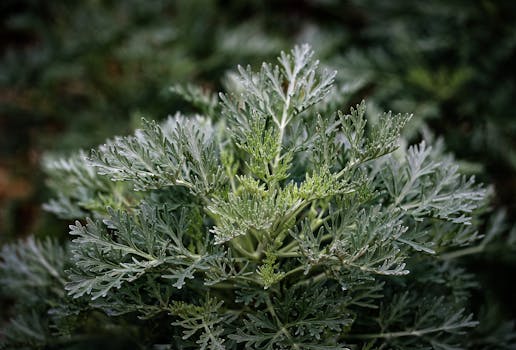
Artemisa, scientifically known as Artemisia vulgaris and commonly known as mugwort, is a perennial plant boasting an extensive history of use in various cultures. Renowned for its aromatic leaves, it has been utilized in everything from culinary flavorings to protective remedies in folklore.
Its recognition in herbal medicine circles is widespread, often found growing naturally across Europe, Asia, and North America. Artemisa’s versatility is also seen in the market, where it’s sold in forms ranging from organic seeds to dried herbs and essential oils, catering to enthusiasts of non-GMO and natural products.
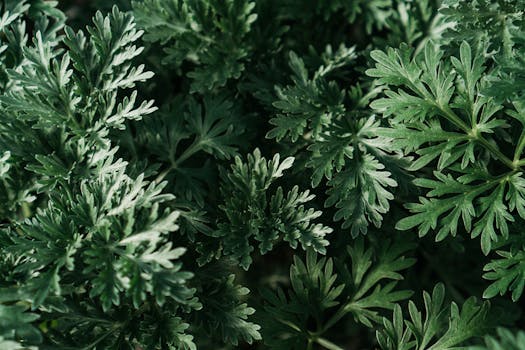
Owing to its popularity, the artemisa plant is well known for its distinctive appearance, with its dark green leaves and reddish-purple stems. The plant’s ability to thrive in various environments has made it a common feature in organic gardening initiatives worldwide.
What are the properties and benefits of artemisa?
Delving into the heart of the artemisa planta, its properties are as diverse as they are beneficial. Packed with flavonoids, sesquiterpenes, and phenolic acids, Artemisa provides a range of health advantages due to its anti-inflammatory, antioxidant, antispasmodic, and antiseptic effects.
The plant is often linked to artemisia health benefits such as aiding digestion, promoting relaxation, and regulating menstrual cycles. Additionally, it’s cited for artemisia tea benefits, which include its use as a calming agent and a digestive aid, highlighting its significance in the realm of medicinal plants.
As a natural remedy, it’s reputed for its potential to alleviate common ailments, making it a valuable addition to any home remedy arsenal. However, while the benefits are plentiful, it’s crucial to approach the use of artemisa with knowledge and caution to avoid any adverse effects.

What are the side effects and contraindications of artemisa?
- While artemisa planta is revered for its health advantages, it carries potential side effects and contraindications that warrant attention.
- Particular care should be taken by pregnant women, as the plant may induce contractions, thus it’s generally advised to avoid its use during pregnancy.
- Individuals with allergies or certain neurological conditions should also consult healthcare professionals before incorporating artemisa into their health regimen.
It’s always recommended to seek guidance from a qualified herbalist or healthcare provider to ensure the safe use of artemisa, especially when considering it for artemisia medicinal uses.
What is artemisa used for?
Throughout history, the uses of artemisa planta have been as varied as the cultures that embraced it. Commonly, it’s used in the creation of teas, tinctures, and topical applications, each harnessing the unique properties of the plant.
Among its more specific applications, artemisa is often employed for menstrual regulation due to its emmenagogue properties. It’s also a staple in digestive health, aiding in the relief of gastrointestinal discomfort and promoting overall digestive well-being.
In addition to physical health, artemisa is reputed to have a calming effect on the mind, making it a popular choice for those seeking natural anxiety relief and better sleep quality.
What are the other names for the artemisa plant?
Known globally, artemisa carries various monikers that reflect its widespread use and recognition. Aside from its botanical name, Artemisia vulgaris, it’s commonly referred to as mugwort. In different cultures, it may be known by a multitude of other names, each highlighting a unique facet of the plant’s identity.
From the perspective of branding and marketing, diversity in naming also helps cater to a global market, making it accessible and identifiable to a broad audience interested in medicinal plants and natural health.
Where can you find artemisa plant?
The ubiquity of the artemisa plant means that it’s readily available in many forms. For those interested in its cultivation, organic seeds are accessible through online retailers and local nurseries, with a focus on non-GMO options for the eco-conscious gardener.
In addition to gardening sources, artemisa can be found in health food stores, specialty herbal shops, and online platforms, offering everything from dried herbs to essential oils. Its presence in various forms makes it a versatile choice for consumers seeking to integrate its benefits into their lifestyle.
What is the difference between artemisa and chamomile?
While both artemisa and chamomile are celebrated for their soothing properties, they are distinct in their botanical identity and specific uses. Chamomile is renowned for its gentle, calming effects and is often used as a mild sedative and anti-inflammatory, particularly in tea form.
Artemisa, on the other hand, has more potent properties and a broader range of uses, including applications in menstrual and digestive health. Its flavor profile is also notably different, with a more bitter and robust taste compared to the sweet, apple-like flavor of chamomile.
The distinction between these two plants is important for consumers and practitioners of herbal medicine to recognize, ensuring the selection of the right herb for the appropriate remedy or health objective.
Related questions about artemisa plant
What is artemisa and what is it used for?
Artemisa, or mugwort, has been an integral part of herbal medicine for centuries. Its primary uses include aiding in digestion, menstrual health, and as a calming agent due to its versatile properties. As a plant with a rich heritage, artemisa’s uses extend beyond the physical, often being incorporated into cultural rituals and traditional remedies.
Today, its applications have expanded into modern wellness practices, where it continues to be valued for its efficacy and natural origins, aligning with the growing trend of seeking holistic and organic solutions for health and well-being.
What is artemisa tea used for?
Artemisa tea is a popular preparation that leverages the aromatic and medicinal qualities of the plant. It’s commonly used for its calming effects, helping to alleviate stress and promote relaxation. Additionally, artemisa tea is recognized for its digestive benefits, often employed as a natural remedy for various gastrointestinal concerns.
The tea serves not only as a therapeutic beverage but also as a means of enjoying the subtle flavors and aromas of the plant, allowing for a multisensory experience that underscores the holistic approach to health that artemisa embodies.
Who should not take artemisa?
The contraindications of artemisa are specific, and certain individuals should exercise caution or avoid its use altogether. Pregnant women are particularly advised against using artemisa due to its potential effects on the uterus. Those with allergies to plants in the Asteraceae family, as well as individuals with a history of seizures, should also refrain from its use or consult with a healthcare professional prior to consumption.
As with any herbal remedy, it’s imperative to consider personal health conditions and seek professional advice to ensure safe and appropriate use, respecting the potent nature of the plant.
How do artemisa and chamomile differ?
While both artemisa and chamomile are used for their soothing properties, they are individually distinct. Chamomile is often favored for its gentle, calming action, particularly safe for children and those seeking a mild herbal remedy. In contrast, artemisa possesses stronger, more pronounced effects and a wider scope of medicinal applications, intended for a different set of health objectives.
Understanding these differences is crucial for proper herbal selection, ensuring that each plant’s unique characteristics are aligned with the desired outcome, whether it’s for relaxation, digestive health, or other wellness goals.
Recognizing the value of artemisa in both traditional and contemporary contexts is essential for appreciating its role in natural health. With its multifaceted benefits and applications, artemisa continues to be a cherished member of the herbal medicine community, offering a natural connection to wellness practices that have stood the test of time.