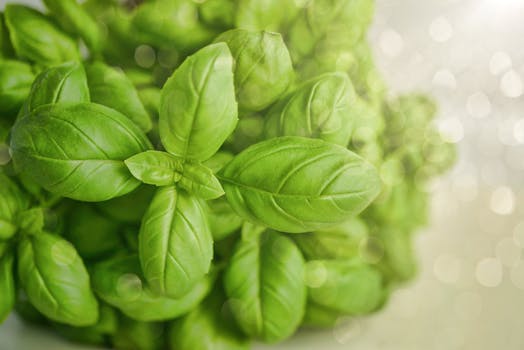
Basil, known scientifically as Ocimum basilicum, graces many dishes with its sweet and aromatic presence, but its virtues extend far beyond the kitchen. Packed with nutrients, basil leaves harbor a wealth of properties that positively influence health, making them much more than a mere culinary herb.
Delving into the wonders of this green leafy herb reveals a treasure trove of benefits waiting to be explored. Whether you’re a gardening enthusiast, a cooking aficionado, or simply curious about the health advantages of basil, this article will serve as your comprehensive guide.
Table of Contents
- Albahaca: What are its properties?
- What health benefits does basil offer?
- Sacred basil: Benefits and uses
- How to cultivate, buy, and store basil
- Fresh vs. dried basil: Which to choose?
- Healthy recipes with basil: Ideas to incorporate into your diet
- Related questions about the health and culinary benefits of basil
Albahaca: What are its properties?
Basil is a storehouse of nutritional value, boasting high levels of vitamin K, essential for bone health and blood clotting. Furthermore, it contains potent antioxidants, which combat oxidative stress and may contribute to the prevention of chronic diseases. A notable component of basil is its essential oils, including eugenol, which provides anti-inflammatory benefits.
These oils are also responsible for the herb’s distinct aroma and flavor, as well as its antimicrobial properties that can help fight bacteria and fungi. As part of Ayurvedic medicine, basil, particularly the sacred variant known as Tulsi, is considered an adaptogen, helping the body resist stressors.
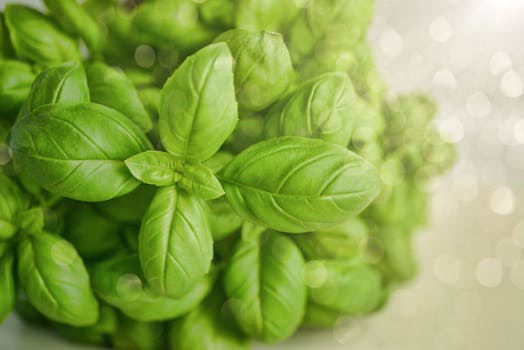
The properties of albahaca, or basil, also extend to supporting cardiovascular health. The presence of magnesium helps relax blood vessels and improve blood flow, reducing the risk of heart-related complications.
What health benefits does basil offer?
When it comes to health, basil’s benefits are multi-faceted. It aids digestion and can help with stomach spasms and loss of appetite. Its anti-inflammatory effects are beneficial for individuals with inflammatory health issues such as arthritis.
Basil’s antimicrobial properties make it useful in treating skin infections when applied topically. Additionally, its calming effects can help with mental health, reducing stress and anxiety levels.
However, while there are many purported health benefits, it’s essential to note that scientific evidence remains limited, and further research is needed to fully substantiate its medicinal uses.
Sacred basil: Benefits and uses
Tulsi, or sacred basil, holds a special place within Ayurvedic practices. It’s revered not only for its holy status but also for its extensive medicinal qualities. Tulsi is thought to purify the mind, body, and soul, and it’s used in various ways to promote overall well-being.
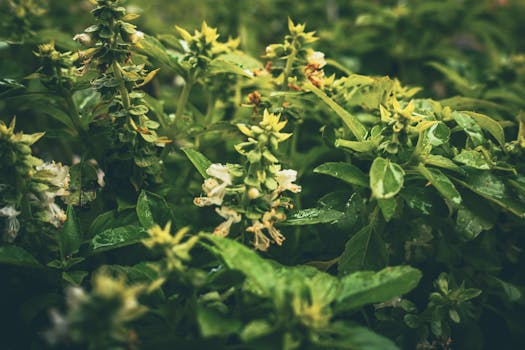
It is believed to bolster the immune system, enhance stamina, and fight against common colds. As a natural remedy, Tulsi tea is recommended for its calming effects, which can aid in better sleep and stress reduction.
The leaves of Tulsi are also used in preparing homemade remedies for respiratory issues, thanks to their anti-inflammatory properties that help relieve congestion and other symptoms.
How to cultivate, buy, and store basil
Growing basil at home is a simple and rewarding endeavor. It thrives in warm, sunny conditions, and with regular watering, you can have a lush herb garden. To ensure freshness, pick basil leaves just before use.
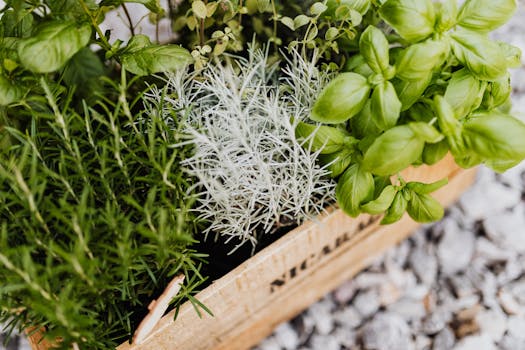
When buying basil, look for vibrant green leaves free from dark spots or yellowing. Fresh basil can be kept in the refrigerator for a short period, while dried basil should be stored in an airtight container away from heat and light to preserve its flavor and properties.
For those not inclined to gardening, purchasing high-quality, organic basil from trusted sources is the next best thing, ensuring you receive the full spectrum of its health-giving properties.
Fresh vs. dried basil: Which to choose?
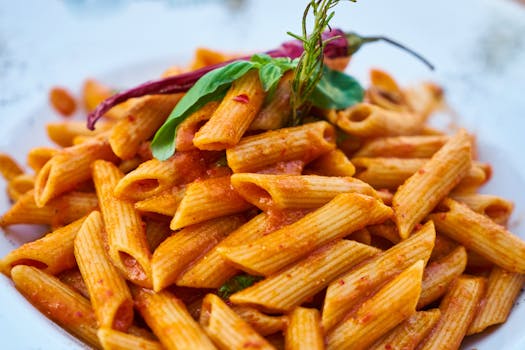
Fresh and dried basil each bring something unique to the table. Fresh basil offers a more robust flavor and is typically used at the end of cooking to preserve its taste and nutritional content.

Dried basil, while more subtle, provides a concentrated flavor that withstands longer cooking times, making it ideal for dishes that require simmering. The choice between fresh and dried largely depends on the recipe and personal preference, but both forms maintain the herb’s culinary uses and health benefits.
Healthy recipes with basil: Ideas to incorporate into your diet
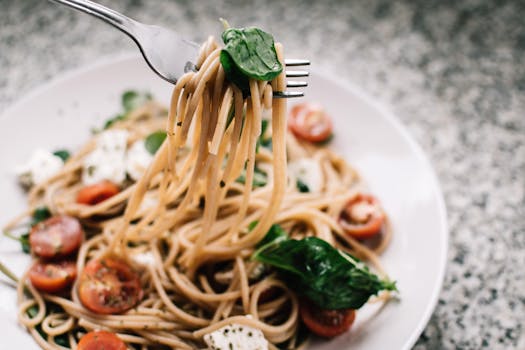
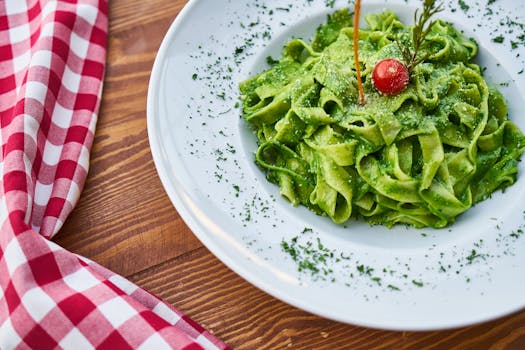
- Pesto: Combine fresh basil with garlic, pine nuts, Parmesan cheese, and olive oil for a classic sauce that pairs well with pasta, bread, or as a marinade.
- Salads: Fresh basil leaves can be torn and tossed into salads for a burst of flavor.
- Smoothies: Add a few basil leaves to fruit smoothies for a refreshing twist and an extra nutrient kick.
- Herbal teas: Steep basil in hot water to create a soothing tea that’s both delicious and beneficial for your health.
Related questions about the health and culinary benefits of basil
What health benefits does basil provide?
Basil offers a wealth of health benefits, including aiding digestion, providing anti-inflammatory effects, and supporting cardiovascular and bone health. Its essential oils contribute to its antimicrobial and stress-relieving properties.

The herb also plays a role in Ayurvedic medicine, where it’s utilized for its adaptogen qualities, helping the body manage stress and maintain balance.
When should basil not be taken?
Though basil is generally safe for consumption, there are instances when caution is advised. People on blood-thinning medication should monitor their intake due to basil’s vitamin K content, which can affect blood clotting.
Pregnant or breastfeeding women are also advised to consult healthcare providers before consuming medicinal amounts of basil.
Does basil cleanse the liver?
Basil is thought to have detoxifying effects on the liver, but scientific backing for this claim remains limited. It’s known to support liver function indirectly through its antioxidant properties and by promoting overall health.
As with any health-related claims, it’s best to approach them with caution and seek professional medical advice.

What health benefits does basil produce?
Basil contributes to a variety of health benefits, ranging from digestive aid and anti-inflammatory relief to the enhancement of mental well-being by reducing stress levels. It’s a nutrient-rich herb that supports a healthy lifestyle when incorporated appropriately into one’s diet.
Whether consumed fresh or dried, basil’s health-promoting properties can be a valuable addition to any meal, not just for its flavor but also for its potential to improve one’s health.

In conclusion, basil is not just a culinary delight but a bountiful source of health benefits. From its nutritional content to its versatility in the kitchen, basil remains a beloved herb worldwide. As science continues to uncover its potential, basil stands out as a natural complement to a holistic approach to health and wellness.