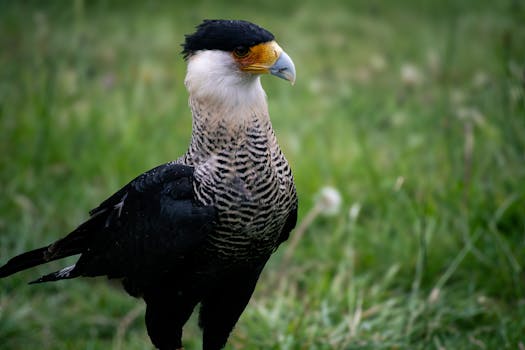
A Comprehensive Guide to Aves Rapaces
Birds of prey, also known as aves rapaces, are fascinating creatures that captivate the attention of bird enthusiasts and nature lovers alike. With their keen eyesight, powerful talons, and skillful hunting techniques, these predators play a vital role in maintaining the balance within ecosystems.
Table of Contents
- What are aves rapaces?
- The importance of raptors in ecosystems
- What birds are considered raptors?
- Exploring the most common aves rapaces in Spain
- How do aves rapaces hunt and survive?
- The role of raptors in bird conservation
- Understanding the characteristics of birds of prey
- Related questions about aves rapaces
What are aves rapaces?
Aves rapaces, or raptors, are a group of predatory birds that share common characteristics such as sharp beaks, strong talons, and keen vision. These birds are adept hunters, capable of capturing a variety of prey. The term “rapaces” comes from the Latin word “rapere,” which means to seize or take by force, reflecting the predatory nature of these birds.
The diversity of aves rapaces is quite broad, ranging from majestic eagles and hawks to swift falcons and stealthy owls. These birds can be found in various habitats across the globe, each adapted to their environment with specialized hunting skills and physical traits.

Raptors are often admired for their agility and power, and they have been featured prominently in human culture and mythology, symbolizing strength and freedom.
The importance of raptors in ecosystems
Raptors are essential to healthy ecosystems as they help control the populations of other animals, which can prevent the spread of disease and overgrazing. Their role as apex predators means they are often at the top of the food chain, making them important indicators of environmental health.
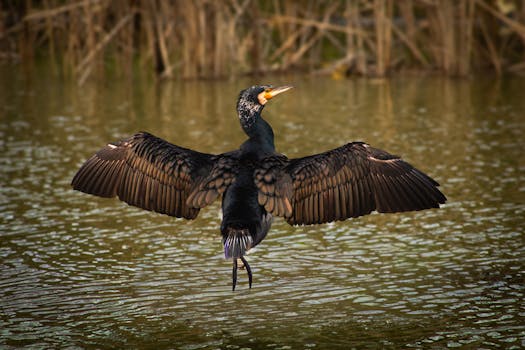
These birds of prey also contribute to the process of natural selection, as they often prey on the weakest or sickest animals, thereby supporting the health of prey populations. Additionally, raptors can have a positive impact on human populations by controlling species that are considered pests.
The presence and well-being of raptors can also serve as a barometer for conservation efforts, signaling changes in the environment that may require human intervention.
What birds are considered raptors?
Raptors encompass a wide range of bird species, each with unique characteristics and hunting styles. Some of the most well-known types include eagles, hawks, falcons, kestrels, vultures, and owls. These birds are all considered raptors due to their diet of live prey and their physical adaptations for hunting.
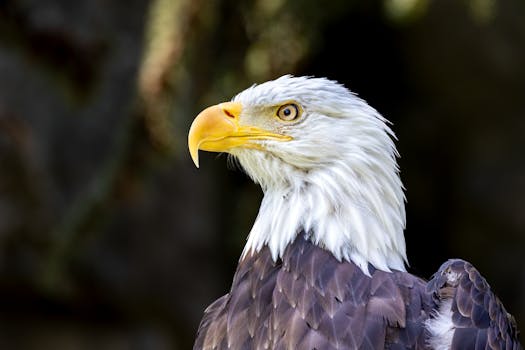
Eagles are known for their size and powerful build, hawks for their sharp talons and keen eyesight, falcons for their incredible speed, kestrels for their ability to hover, vultures for their scavenging habits, and owls for their silent flight and nocturnal hunting abilities.
Each of these bird species plays a specific role in their respective habitats, and they are often specialized in hunting certain types of prey, ranging from small insects and rodents to fish and even other birds.
Exploring the most common aves rapaces in Spain
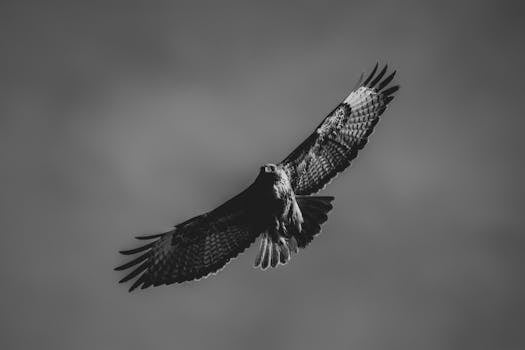
Spain is home to a diverse range of raptors, each adapted to the country’s varied landscapes. The Spanish imperial eagle, for example, is a native species and one of the most emblematic birds of prey in Spain. Other common raptors include the Griffon vulture, the peregrine falcon, and the Eurasian eagle-owl.
Birdwatching enthusiasts often travel to Spain to catch a glimpse of these majestic creatures in their natural habitats, such as the mountainous regions, vast plains, and rocky coastlines that offer ideal conditions for raptors to thrive.
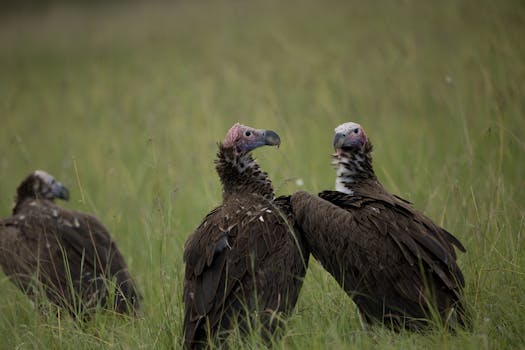
The conservation of these birds has become a priority in Spain, with efforts to protect their breeding grounds and reduce the threats they face from human activity, such as habitat destruction and pollution.
How do aves rapaces hunt and survive?
The hunting techniques of aves rapaces are as varied as the species themselves. Raptors utilize their physical abilities and instincts to track, chase, and capture their prey with precision. For instance, falcons dive at high speeds to strike prey in mid-air, while owls use their silent flight to ambush rodents at night.

Survival for these birds involves not only hunting but also territorial defense, mating, and raising young. Raptors often choose high perches or secluded nesting sites to keep a watchful eye on their surroundings and protect their young from potential threats.
The ability to adapt to changing environments and food availability is crucial for the survival of raptors, and this adaptability is one of the reasons they have remained successful predators throughout their evolution.

The role of raptors in bird conservation
Bird conservation efforts increasingly recognize the importance of raptors as key indicators of environmental health. Protecting these birds often involves habitat preservation, anti-poaching measures, and public education campaigns to raise awareness of their ecological value.

Organizations dedicated to bird conservation work tirelessly to study raptor populations, rehabilitate injured birds, and reintroduce them to the wild when possible. These efforts contribute to the overall goal of maintaining biodiversity and ecosystem stability.
As a result, conservationists and bird lovers alike continue to advocate for policies and initiatives that support the wellbeing of raptors, recognizing that their survival is intimately connected to the health of the planet.

Understanding the characteristics of birds of prey
The defining characteristics of birds of prey are crucial to their identity as raptors. These include their sharp, hooked beaks for tearing flesh, strong talons for gripping and killing prey, and exceptional vision that allows them to spot potential meals from great distances.
Additionally, raptors have powerful wings suited for their hunting style, whether that involves high-speed pursuits, agile maneuvering through dense foliage, or soaring at great heights to scan for food.

Understanding these characteristics helps us appreciate the evolutionary adaptations that have made raptors such successful predators and highlights the need to ensure their continued survival in the wild.

Related questions about aves rapaces
What animals are called Aves?
The term “Aves” refers broadly to the class of birds, encompassing a wide array of feathered, winged, bipedal, endothermic (warm-blooded), egg-laying vertebrate animals. Within this diverse class, aves rapaces or raptors represent a specialized category known for their predatory skills.
Birds within the Aves classification share common features such as beaks, laying hard-shelled eggs, and a high metabolic rate. This class includes everything from tiny hummingbirds to the large flightless ostriches.

What birds are considered raptors?
Raptors are birds specifically adapted for hunting and feeding on other animals. This group includes eagles, hawks, falcons, vultures, owls, and kites. These birds possess keen eyesight, strong feet with sharp talons, and hooked beaks that enable them to catch and consume their prey effectively.
Birds of prey can be found in nearly every type of habitat, from forests and mountains to deserts and urban areas, each species occupying a niche that suits its hunting style and food preferences.

What are scavenger birds called?
Scavenger birds, often referred to as scavenging raptors or carrion-feeders, include species like vultures and certain types of eagles. These birds primarily feed on dead animals, playing a critical role in the ecosystem by recycling nutrients and helping to prevent the spread of disease.

Vultures, in particular, are well-equipped for this role, with their strong, acid-filled stomachs that can digest decaying flesh and their bald heads that help keep them clean while feeding.
Why is it called birds of prey?
The term “birds of prey” is derived from their predatory nature, as these birds prey on other animals to survive. Their adaptations for hunting, such as sharp talons, hooked beaks, and exceptional eyesight, underscore their role as dominant hunters in the avian world.

The phrase “birds of prey” emphasizes the active, predatory aspect of their behavior, distinguishing them from other birds that may forage for plant-based food or insects.
In conclusion, aves rapaces are a fascinating and vital part of our natural world, with their astonishing hunting abilities and significant ecological roles. From the vast plains of Spain to the remotest corners of the earth, raptors inspire awe and highlight the importance of continued conservation efforts to ensure they soar through our skies for generations to come.