Bougainvillea: The vibrant beauty of bugambilia
The bugambilia, more commonly recognized as bougainvillea, is a splash of color that brightens gardens and landscapes across the globe. Its vibrant hues and lush foliage make it a favorite among garden enthusiasts and casual admirers alike. The versatility and hardiness of this plant have contributed to its popularity, ensuring it is not only a feast for the eyes but also a resilient addition to any outdoor space.
What is bugambilia?
Table of Contents
- Understanding the basics of bugambilia
- Discovering the multifaceted benefits of bugambilia
- Mastering the pronunciation of bugambilia
- Exploring the colorful spectrum of bugambilia
- Unveiling the rich symbolism behind bugambilia
- Addressing the safety of consuming bugambilia
- Related questions about bugambilia
Understanding the basics of bugambilia
Bugambilia is a genus of thorny ornamental vines, bushes, and trees with flower-like spring leaves near its flowers. Its natural habitat spans from South America’s tropical regions, but it has been adopted and adored in climates worldwide. Gardeners prize the bugambilia for its ability to thrive with minimal care, making it an ideal plant for both beginners and seasoned horticulturists.
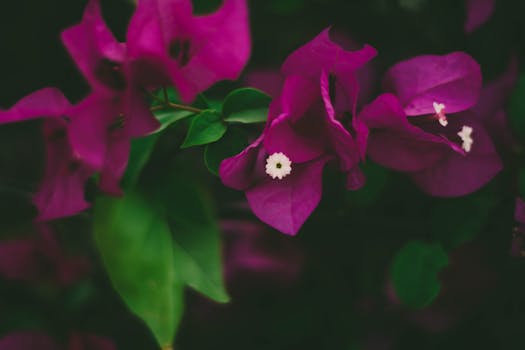
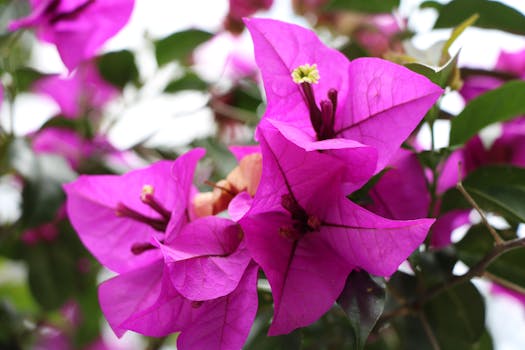
There are various bugambilia varieties for landscaping, each boasting different sizes, shapes, and colors of bracts – the specialized leaves that give this plant its distinctive color. From deep purples to fiery reds, the bugambilia paints a vivid picture wherever it grows.
For those looking to add this plant to their collection, knowing how to grow bugambilia from cuttings can be an invaluable skill. This propagation method allows for the multiplication of these beautiful plants, ensuring a continuous display of their magnificent blooms.
What are the benefits of bugambilia?
Discovering the multifaceted benefits of bugambilia
The bugambilia is not only known for its aesthetic appeal, but it also holds medicinal properties. In particular, the benefits of bugambilia leaves in tea have been noted for soothing sore throats and coughs, making it a valuable plant for natural remedies.
Aside from its health benefits, the bougainvillea care tips for beginners include how its vibrant bracts can be used to enhance privacy, reduce noise, and even improve home security due to its thorny nature.
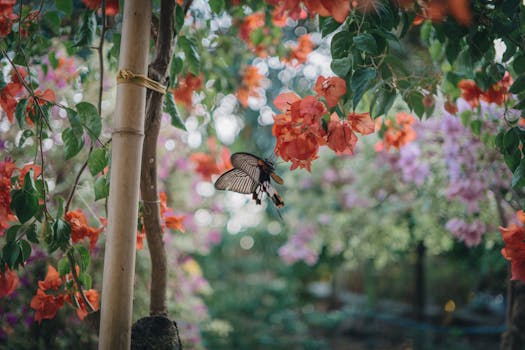
Environmental benefits are also associated with this plant, as it provides shelter and food for a variety of wildlife, including butterflies and birds, contributing to the biodiversity of gardens and natural landscapes.
How to pronounce bugambilia?
Mastering the pronunciation of bugambilia
The name “bugambilia” might seem daunting at first, but it’s quite simple once you break it down. The correct pronunciation can be phonetically understood as boo-guhn-BEE-lee-uh. Knowing how to pronounce bugambilia allows for confident discussions about this stunning plant, whether you’re at a nursery, with fellow gardening enthusiasts, or simply admiring the blooms.
What colors do bugambilia come in?
Exploring the colorful spectrum of bugambilia
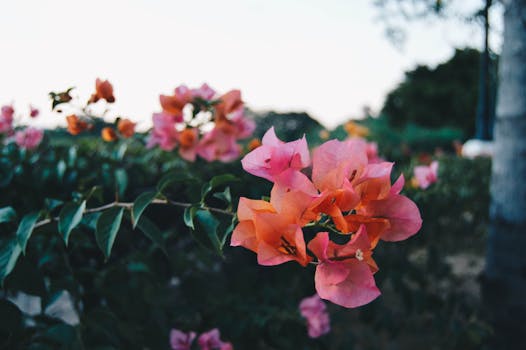
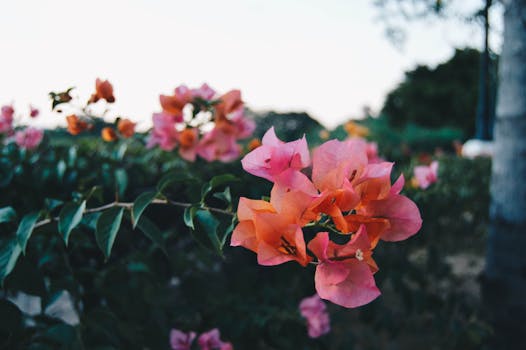
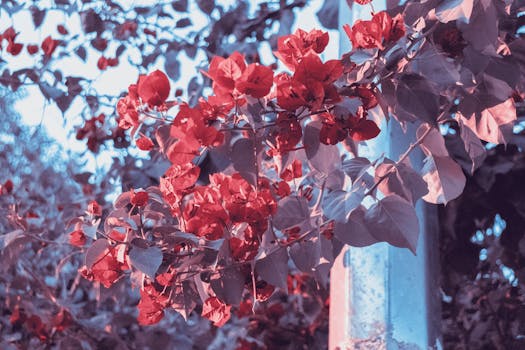
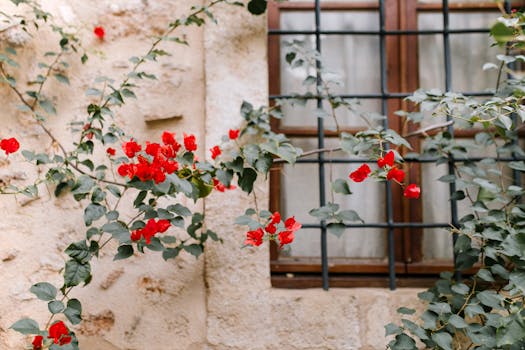
Bugambilia plants are known for their incredible range of colors. The bracts can display a wide palette, including pinks, purples, reds, oranges, whites, and yellows. Each variety brings its unique shade, transforming gardens into a canvas of color.

Some varieties even boast variegated leaves that add to the visual appeal of the plant, making it a standout specimen in any landscape. The diversity of available colors allows gardeners to curate their outdoor spaces to their personal aesthetic preferences.
What is the meaning of bugambilia?
Unveiling the rich symbolism behind bugambilia
In the realm of symbolism, bugambilia carries meanings of passion and liveliness, attributed to its vigorous growth and vivid colors. It’s no surprise that many cultures view this plant as a symbol of beauty and welcome – an invitation to enjoy the natural world’s vibrancy.

In some traditions, the bugambilia is also associated with peace and an invitation to reflect. The lush growth provides a peaceful backdrop, encouraging a moment of tranquility amidst the busyness of life.
Is bugambilia safe to drink?
Addressing the safety of consuming bugambilia
When it comes to ingesting bugambilia, caution is advised. While the leaves are commonly used to make a soothing tea, it’s important to ensure the correct parts of the plant are used and prepared properly. Is bugambilia safe to drink? Yes, but only the leaves in tea form, and not in excessive amounts.

However, one should always consult with a healthcare professional before adding any new herbal remedy to their regimen, as individual health conditions and potential interactions with medications must be considered.
Related questions about bugambilia
What is bugambilia good for?
Bugambilia is celebrated for its ornamental and medicinal uses. The vivid bracts add splashes of color to landscapes, while the leaves, when brewed into a tea, are said to offer relief for respiratory issues.
Apart from its health benefits, bugambilia is also valued for its ease of care and ability to attract pollinators, contributing to a healthy garden ecosystem.
Is bugambilia safe to drink?
As mentioned earlier, bugambilia leaves can be safely consumed when brewed as tea. It’s important to use only the leaves, as other parts of the plant may not be safe for ingestion.
Is bougainvillea toxic to humans?
While the leaves of bugambilia can be used for tea, other parts of the plant, particularly the sap, can be irritating to the skin and mucous membranes. It’s always advisable to handle the plant with care and wear gloves to prevent any potential skin irritation.
What is bugambilia in English?
In English, bugambilia is more commonly known as bougainvillea. This name is used interchangeably with bugambilia and refers to the same colorful, flowering plant renowned for its vibrant display and hardiness.
The beauty of bugambilia extends beyond its luminous bracts and into the rich tapestry of benefits, meanings, and uses that it brings to our lives. Whether you are a gardener looking to add some color to your yard or someone interested in the potential health benefits of its leaves, the bougainvillea is a plant that promises to enchant and enhance.