Arbusto: Understanding The Versatile Bush
The Spanish language offers a rich vocabulary that is both useful and descriptive, and the word “arbusto” is no exception. This term, which translates to “bush” or “shrub” in English, is a fundamental part of botanical discussions as well as everyday conversation.
Table of Contents
What is an arbusto plant?
The term arbusto represents a category of plants known for their woody stems and smaller stature compared to trees. These plants are incredibly diverse, ranging from the decorative rose bush to the hardy juniper shrub.
These plants are essential for any garden due to their versatility and variety. Some arbustos are evergreen, providing year-round color, while others are deciduous, offering seasonal interest with their changing foliage and flowers.

Arbusto plants are also known for their resilience and can often survive in harsher conditions than other more delicate garden plants, making them a favorite among both novice and experienced gardeners.
How is arbusto used in everyday life?
Arbustos are a staple in landscaping and home gardens, where they serve both aesthetic and practical purposes. They can be used as hedges, providing privacy and structure to garden spaces, or as ornamental features that add color and texture.
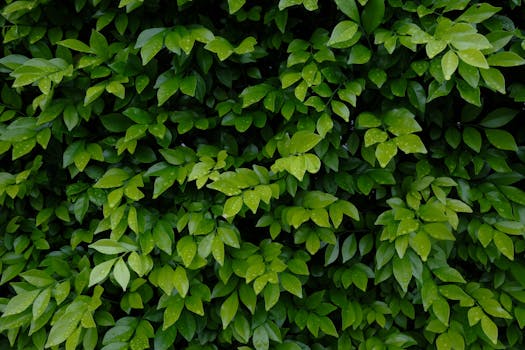
In addition to their visual appeal, arbustos can also have environmental benefits. They can serve as windbreakers, soil stabilizers, and even habitats for wildlife. Arbusto plants are not just decorative; they are an integral part of a healthy ecosystem.
Moreover, the presence of arbustos in urban settings helps to purify the air and offers a touch of nature that enhances the well-being of city dwellers.
What is the English translation of arbusto?
The English translation of arbusto is “bush” or “shrub”. These terms are interchangeable and describe the same type of woody plants.

Understanding the translation is crucial for gardeners and landscapers who may be working with diverse plant species and communicating across languages to ensure the correct selection of plants for their projects.
As the world becomes more connected, having a grasp of such translations is valuable for sharing knowledge and experiences in the realm of horticulture and beyond.

How to care for an arbusto plant?
Caring for an arbusto entails understanding its specific needs in terms of sunlight, water, soil type, and pruning. Each species has its own set of requirements that, if met, can lead to a thriving shrub.
Generally, it’s essential to plant arbustos in well-draining soil and to water them regularly, especially during dry spells. Mulching can help retain soil moisture and protect the roots.
Pruning is another important aspect, which not only shapes the plant but also promotes healthy growth by removing dead or diseased branches.
Furthermore, it’s crucial to be vigilant for signs of pests or disease and take prompt action to address any issues that may arise.
With the right care, an arbusto can be a long-lasting and rewarding addition to any garden.

What are the benefits of arbusto oil?
Arbusto oil, derived from various shrubs, can offer a multitude of benefits, such as therapeutic properties in aromatherapy and potential medicinal uses.
Some arbusto oils are known for their anti-inflammatory, antiseptic, and calming effects, making them valuable in natural remedies and holistic health practices.
In addition to health benefits, arbusto oils are also used in cosmetics and perfumery, providing natural fragrances and skin benefits.

The versatility of arbusto oil extends to culinary uses as well, where certain edible oils add flavor and nutritional value to dishes.
What is the cultural significance of arbusto?
Arbustos hold significant cultural importance in various traditions around the world. They feature prominently in literature, art, and mythology, symbolizing diverse concepts such as growth, renewal, and shelter.

In landscaping and garden design, arbustos often play a key role in creating spaces that reflect cultural aesthetics and values.
Additionally, certain arbusto species are associated with specific holidays and celebrations, further underscoring their cultural relevance.

Related questions about arbusto
What is the meaning of the word arbusto?
The word arbusto carries the meaning of “bush” or “shrub”, referring to a variety of plants characterized by woody stems and smaller sizes compared to trees. In a broader sense, the term encapsulates the beauty and utility these plants bring to our environment.
Arbustos represent a diverse group within the plant kingdom, each with unique attributes and significance in ecosystems and human culture.
What is an arbusto plant?
An arbusto plant is essentially a shrub or bush, often found in natural landscapes and gardens. These plants are celebrated for their structural diversity and ornamental value.
With the capability to thrive in various climates and conditions, arbustos are a cornerstone of horticultural practices, contributing to biodiversity and garden aesthetics.

How do arbustos reproduce?
Arbustos reproduce in several ways, including seed dispersal, cuttings, and even layering. Many species produce seeds that are spread by wind, animals, or water, leading to natural propagation.
Human intervention through gardening techniques like cuttings or layering can facilitate a more controlled reproduction process, allowing for the cultivation of specific varieties.
How to plant a shrub arbusto?
Planting a shrub arbusto involves several steps, starting with selecting a suitable location that meets the light and soil requirements of the species.
Properly preparing the soil, digging an appropriate hole, and ensuring good soil contact with the roots are crucial for successful planting. Adequate watering and mulching post-planting help the arbusto establish itself in its new environment.
In conclusion, the term “arbusto” encompasses a world of diverse plants that enrich our lives in various ways. From enhancing our gardens to offering health benefits, arbustos are truly versatile and significant in both the botanical realm and in everyday life. Whether you’re a seasoned gardener or simply appreciate nature’s beauty, understanding and caring for these plants can be a rewarding experience.