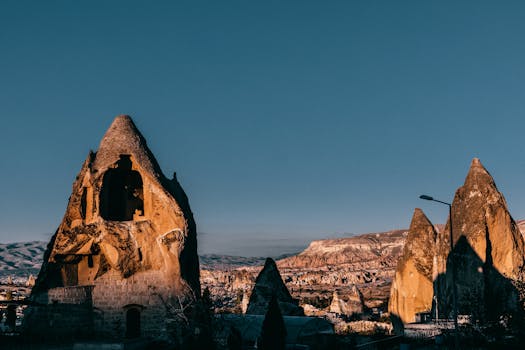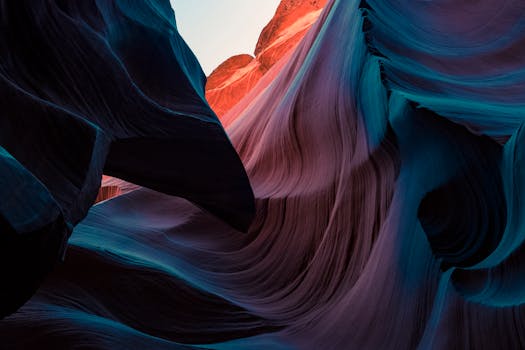
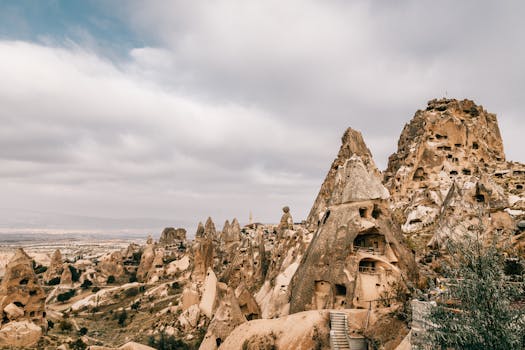
Cárcavas, or gullies as they’re commonly known, represent a spectacular natural phenomenon that captures the essence of Earth’s dynamic geological processes. These deep ravines, carved by the force of water erosion, present a stark and breathtaking beauty that has drawn visitors and scientists alike to appreciate their grandeur.
Table of Contents
What are the cárcavas and their significance?
Formed over countless years, cárcavas are significant both geologically and visually. They reveal the history of the land, showcasing layers of sedimentary rock and clay that tell tales of the region’s past climates and environments. These formations serve as natural laboratories, offering insights into soil conservation and the impacts of erosion.
The geological formations of cárcavas are not only important for scientific study, but they also contribute to the area’s biodiversity. The unique topography creates microhabitats for various species of plants and animals that have adapted to the challenging conditions of the badlands.
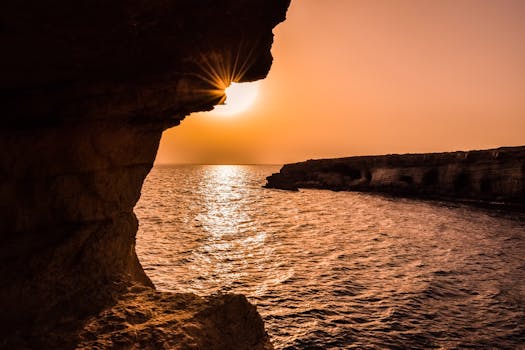
Moreover, cárcavas are a testament to the natural beauty that can arise from the forces of nature. Their intricate patterns, contrasting colors, and dramatic textures make them a photographer’s paradise and a hiker’s dream.
Where are the cárcavas de Marchal located?
The Cárcavas de Marchal can be found in the Granada region of Spain, an area renowned for its rich history and cultural heritage. Situated within the province’s badlands, these stunning clay formations are a highlight for anyone exploring the area.
What makes the Cárcavas in Marchal particularly captivating is their proximity to other historical sites. They are nestled within a landscape that has seen human activity for thousands of years, adding layers of cultural significance to the natural wonders.
Visitors can immerse themselves in the blend of natural and historical narratives that surround these gullies, making the Cárcavas de Marchal a multidimensional destination.
What can you see in the cárcavas valley?
Visiting the Cárcavas Valley is an experience rich in diversity. The valley is home to a variety of clay badlands, each with its own unique pattern and sculpture-like formations that change color with the sunlight.
Amidst the cárcavas, visitors can also encounter remnants of past civilizations. From cave dwellings to ancient irrigation systems, the valley tells stories of human adaptability and ingenuity. The natural parks within the valley offer serene spots for reflection and appreciation of the area’s natural splendor.
In addition to the geological wonders, the valley plays host to a range of local flora and fauna, each species contributing to the vibrant tapestry of life in this harsh yet beautiful landscape.
How to reach las cárcavas from Madrid?
Reaching the cárcavas from Madrid is a journey that takes you through the heart of Spain. A road trip to the Cárcavas region unfolds into an exploration of the country’s diverse landscapes. Travelers can rent a car or utilize public transportation to make the picturesque journey.
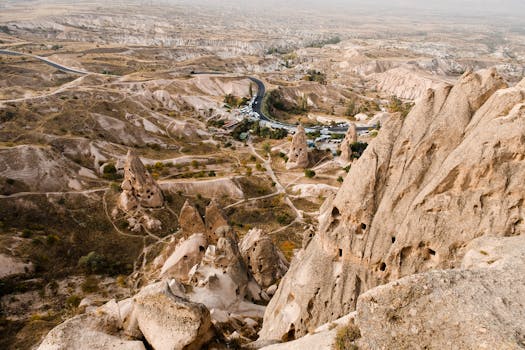
For those seeking guidance on the journey, there are plenty of resources and travel guides available. The trip not only leads you to the cárcavas themselves but also through a cross-section of Spanish culture and scenery.
Once in the Granada region, local signposts and maps will guide you to the Cárcavas de Marchal, where adventure and discovery await.
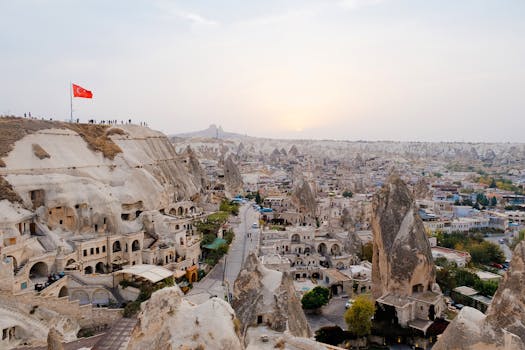
What wildlife can be found in the cárcavas?
The wildlife in the cárcavas is as resilient as it is diverse. The rugged terrain and unique microclimates support a range of creatures, from birds of prey soaring above to small mammals that navigate the labyrinth of gullies.
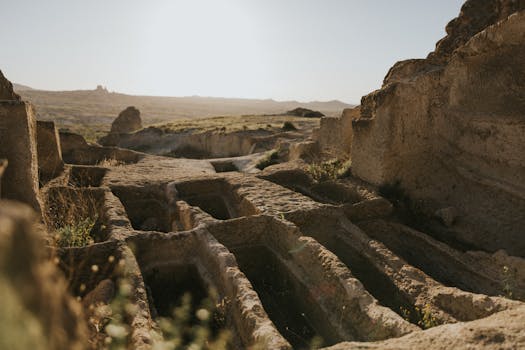
Insects and reptiles are also common sights, each species playing a role in the delicate ecosystem. The cárcavas offer an opportunity to observe biodiversity in action, with each organism adapted to the challenging environment of the badlands.
For nature enthusiasts and wildlife photographers, the cárcavas provide a setting where the interplay between species can be witnessed firsthand, reminding us of the intricate balance of life in even the most rugged of landscapes.
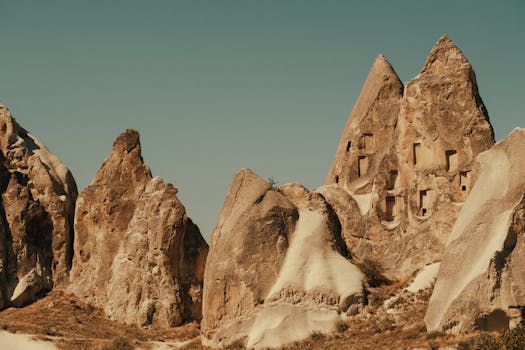
What activities are available at the cárcavas?
The cárcavas are a playground for outdoor adventures. Hiking through the gullies is a popular activity, with trails winding through the dramatic landscape. For those seeking a different perspective, horseback riding offers a unique way to traverse the terrain.
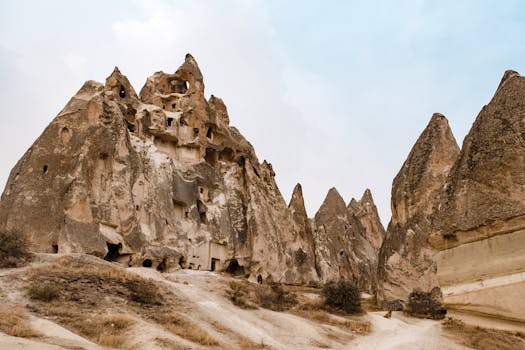
Educational tours are available for those interested in the geological and cultural history of the area. The expansive vistas also make for perfect spots for picnicking and contemplation.
For the more adventurous, the cárcavas provide challenging landscapes for mountain biking and rock climbing. The varied activities available ensure that all visitors can find a way to connect with the natural splendor of the cárcavas.
Related questions about visiting the cárcavas
How do I get to Las Carcavas from Madrid?
Getting to Las Cárcavas from Madrid involves a trip by road. The journey takes approximately 4 to 5 hours by car, depending on traffic and conditions. Driving gives you the flexibility to stop and enjoy the Spanish countryside along the way.
If you prefer public transportation, you can take a train or bus to Guadix, and from there, a local bus or taxi can take you to the Cárcavas de Marchal. Make sure to check the schedules and availability beforehand for a smooth travel experience.