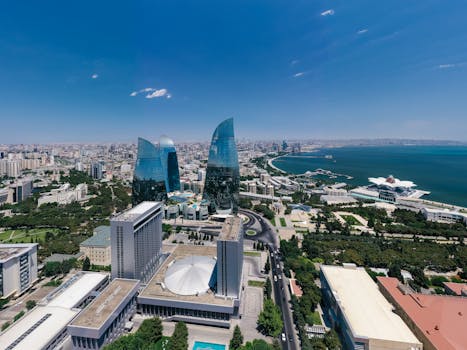
The Mar Caspio, or the Caspian Sea, is a fascinating geographic wonder that has intrigued explorers, historians, and scientists for centuries. Known as the largest enclosed inland body of water on Earth, its enigmatic nature continues to capture the imagination of many around the globe.
Table of Contents
What is the Mar Caspio?
The Caspian Sea, often referred to in Spanish as Mar Caspio, is a unique body of water straddling the line between a sea and a lake. It is renowned for its vast size and peculiar characteristics, which include a blend of saltwater and freshwater influences. This combination fosters a rich biodiversity that is uncommon in other bodies of water.
Despite being landlocked, the Caspian Sea plays a crucial role in the regional ecology and economy, providing vital resources like fish and oil reserves. Its importance is not only ecological but also geopolitical, as it is bordered by multiple countries with varying interests and histories.
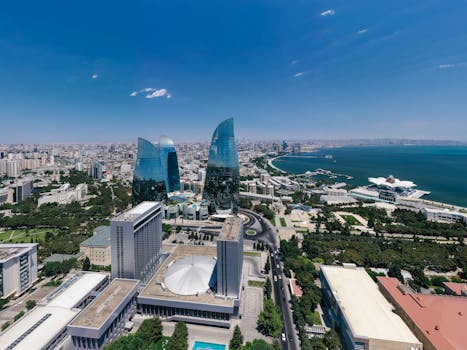
The Caspian Sea’s distinctiveness extends to its legal status; it is not governed by the same international laws as other seas, leading to ongoing debates regarding territorial rights and resource management.
Where is the Caspian Sea located?
The Caspian Sea is situated in a vast basin in Central Asia, nestled between Europe and Asia. It is bordered by five countries: Russia, Kazakhstan, Turkmenistan, Iran, and Azerbaijan. Each country has a portion of coastline along the sea, providing access to its resources and trade opportunities.
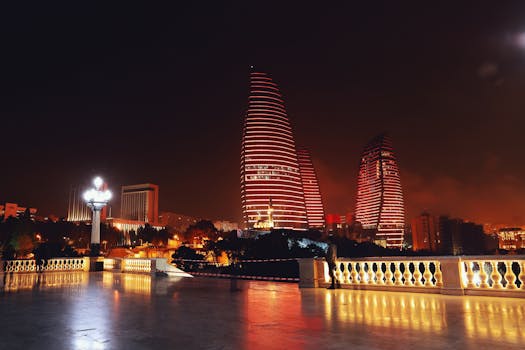
The sea’s location has made it a crossroads of civilizations for millennia, influencing the history of the Caspian Sea as well as its cultural and economic development.

Its position also affects the regional climate and weather patterns, contributing to the ecological diversity of the area. The Volga River, the longest in Europe, is one of the major rivers that flow into the Caspian Sea, greatly influencing its water levels and salinity.
What is the history of the Mar Caspio?
- Historically, the Caspian Sea has been a critical part of trade routes, including the ancient Silk Road.
- It has been the subject of numerous territorial disputes and political maneuverings, particularly due to its valuable oil reserves.
- The region has seen the rise and fall of empires, and has been influential in the spread of religions and cultures.
- Archaeological findings around the sea reveal a tapestry of human history, including settlements, trade goods, and warfare.
- The history of the Caspian Sea is not just a tale of human activity; it has also seen significant geological changes over time, with fluctuating water levels and shifting shorelines.
Why is the Caspian Sea salty?
One key question often asked about this body of water is, why is the Caspian Sea salty? The answer lies in its geological past. The Caspian Sea is a remnant of the ancient Paratethys Sea, which covered a vast area millions of years ago. Over time, as land masses shifted and climates changed, the sea became landlocked, and its connection to the oceans was severed.
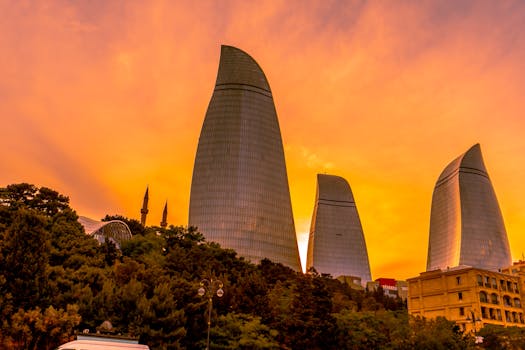
The saltiness of the Caspian Sea varies across different parts of the sea due to the inflow of fresh water from rivers like the Volga, which dilutes the salinity. Evaporation also plays a role in increasing the concentration of salt in the water.
While not as salty as the world’s oceans, the Caspian Sea’s salinity is significant enough to affect the types of species that can thrive within its waters.
Are there sharks in the Caspian Sea?
Given its salinity and biodiversity, many wonder about the types of creatures that inhabit the Caspian Sea, specifically, are there sharks in the Caspian Sea? While the sea does not house traditional ocean-dwelling sharks, it is home to a variety of marine life, including the Caspian seal and numerous fish species.
The sea’s unique ecological environment allows for the coexistence of species adapted to both saline and freshwater conditions. However, environmental concerns have put some of these species at risk, prompting conservation efforts.
Shark aficionados need not be disappointed, as while the sea does not have sharks, its ecological complexity offers plenty of interest to marine biologists and nature enthusiasts alike.
What countries border the Caspian Sea?
The Caspian Sea’s coastline extends over 7,000 kilometers and touches the shores of five countries, each with their own cultural and economic ties to the sea:

- Russia — with a vast northern coastline, Russia has significant interests in the Caspian Sea’s resources.
- Kazakhstan — boasting the longest stretch of coastline, Kazakhstan is a key player in regional politics.
- Turkmenistan — located on the eastern side, it is crucial for regional energy strategies.
- Iran — owning the southernmost shore, Iran considers the sea important for both trade and ecology.
- Azerbaijan — with a rich history and substantial oil fields, Azerbaijan’s relationship with the sea is integral.
Is the Caspian Sea saltwater or freshwater?
The Caspian Sea is a unique blend of both saltwater and freshwater, leading to a common question: is the Caspian Sea saltwater or freshwater? Its classification is complex due to the varying degrees of salinity present throughout the sea. In some regions, the water is nearly as salty as the ocean, while in others, freshwater from rivers decreases the salinity significantly.
The mix of water types contributes to a rich and diverse ecosystem. The sea’s salinity levels fluctuate due to factors such as river input, evaporation rates, and climatic conditions.

This peculiar mix has led to debates about whether the Caspian Sea should be considered a lake or a sea, with implications for international law and resource rights.
Related questions about the Caspian Sea
Is the Caspian Sea saltwater or freshwater?
The Caspian Sea is primarily salty, but its salinity levels are less than that of the open ocean. It receives freshwater from over 130 rivers, with the Volga River being the most significant contributor. The inflow of freshwater dilutes the salinity, particularly in the northern regions, creating a gradient that varies across the sea. This unique mix of saltwater and freshwater contributes to a diverse ecosystem that includes both marine and freshwater species.
Due to its landlocked nature and the absence of a direct connection to the world’s oceans, some classify the Caspian Sea as the world’s largest lake. However, in terms of salinity and ecological characteristics, it shares similarities with both seas and lakes.

What is the Persian name for the Caspian Sea?
In Persian, the Caspian Sea is known as “Darya-ye Khazar.” The name has historical roots dating back to the ancient Khazar Empire, which once bordered the sea. Over the centuries, the Caspian Sea has been known by various names in different languages, reflecting the diverse cultures and civilizations that have interacted with this body of water.
The sea’s Persian name is just one example of the rich cultural tapestry surrounding this enigmatic body of water.
Are there whales in the Caspian Sea?
Whales are not found in the Caspian Sea. Unlike some other enclosed bodies of water, the Caspian Sea’s isolation and salinity levels are not conducive to supporting marine mammals like whales. The sea does, however, host the Caspian seal, the only marine mammal endemic to this body of water.

While the sea’s biodiversity is noteworthy, it does not extend to large ocean-dwelling mammals due to its geographic and ecological conditions.
How deep is the Caspian Sea?
The Caspian Sea’s depth varies greatly, with an average depth of about 211 meters (692 feet). Its deepest point, located in the southern basin, reaches approximately 1,025 meters (3,363 feet). This depth, combined with its vast surface area, makes the Caspian Sea the largest inland body of water on Earth by both surface area and volume.
The sea’s depth plays a role in its ecology, circulation patterns, and could influence the development of its natural resources, such as oil and gas fields.