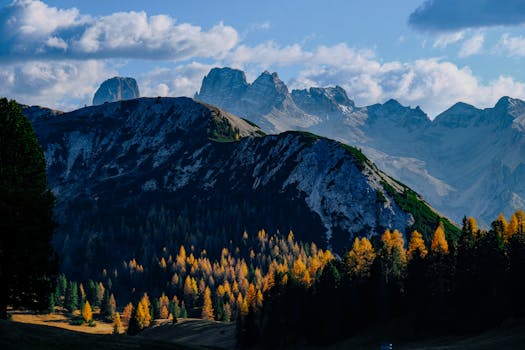
The continental climate, known for its distinctive seasonal changes, is a common feature of the interior regions of large landmasses. Typically found in the Northern Hemisphere, this climate zone is characterized by hot summers and cold winters, with substantial temperature variations that profoundly affect both the natural environment and human activities.
Table of Contents
What is continental climate?
The term continental climate refers to a climatic region that experiences significant temperature differences between seasons. Unlike maritime climates, which are moderated by the presence of oceans or large bodies of water, continental climates are subject to more extremes due to their distance from the sea. This results in warm to hot summers and very cold winters, often with snowfall.
The Köppen classification categorizes these regions as Type D climates, where the warmest month averages above 10°C and the coldest month averages below -3°C. This classification helps scientists and geographers understand and predict weather patterns in these areas.
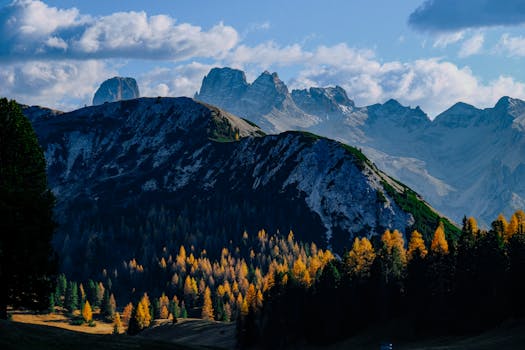
Due to their inland position, continental climates can be affected by air masses from both the poles and the tropics, leading to unpredictable weather patterns and diverse ecological impacts.
Continental climate characteristics
Four distinct seasons are a hallmark of the continental climate. Spring and autumn serve as transitional periods between the extremes of summer and winter. During summer, temperatures can soar, while winter brings freezing temperatures that can drop well below 0°C.

Precipitation is another key factor, with continental climate precipitation patterns varying from summer rainfalls to winter snow. This variability affects the types of vegetation that can thrive in these regions, as well as agricultural practices.
Temperature variations are not only daily but also annual, with a wider range than those found in more temperate or equatorial climates. The continental climate’s capacity to support a variety of life forms, despite these extreme conditions, is a testament to the resilience of its flora and fauna.
Types of continental climate
The continental climate can be further categorized into subtypes, such as humid continental climate and dry continental climates. The humid subtype typically features well-distributed precipitation throughout the year, while the dry subtype may experience drier conditions.

Moreover, specific regional variations like the Mediterranean continental climate showcase unique weather patterns influenced by nearby geographical features, such as mountain ranges or bodies of water.
Differences in elevation, latitude, and proximity to water bodies can result in distinct climatic conditions even within the broader category of the continental climate, influencing local ecosystems and human activities.

Flora and fauna of the continental climate
- Deciduous forests, with trees like oaks and maples, shed their leaves to conserve water during cold winters.
- Coniferous trees, such as pines, are adapted to handle the weight of snowfall.
- The fauna consists of species like bears, wolves, and deer, which have developed survival strategies such as hibernation and migration.
- Biodiversity is rich, with seasonal changes prompting a variety of life cycles and ecological interactions.
Humid continental climate
In regions with a humid continental climate, summers are warm to hot with sufficient rainfall to support lush vegetation. Winters, on the other hand, are long and cold, with substantial snowfall that can impact transportation and other human activities.
These regions often lie at the heart of continents, where oceanic influences are limited, contributing to their dramatic seasonal contrasts. Agriculture in these areas must be adaptable, with crops and farming techniques that can withstand a wide range of weather conditions.
The diversity of plant life found in these climates, from grasslands to extensive forests, offers habitats for a wide range of animals, which in turn influences local ecosystems and food webs.

Continental climate: Map and location
Continental climates are mainly found in the Northern Hemisphere, particularly across central and eastern North America, Europe, and Asia. They cover vast areas of these continents, shaping the environment and living conditions for millions of people.
To visualize the distribution of the continental climate, one can refer to climate maps that often use shades of purple or blue to denote these regions, helping to identify the specific areas where such climates prevail.
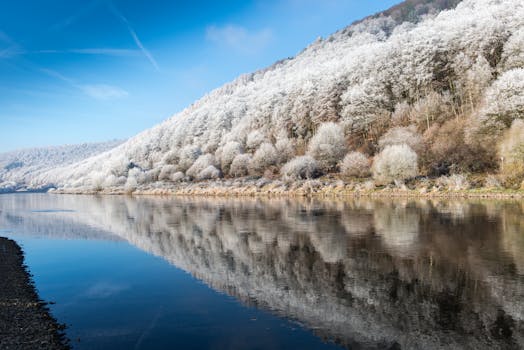
Studying these maps reveals the extent to which continental climates are located away from moderating oceanic influences, nestled deep within the landmasses.
Continental climate: Facts and relevant data
The severity of the continental climate has significant implications for human settlement and infrastructure. Buildings and homes are constructed to withstand the temperature extremes, from insulating against cold to ventilating in the heat.
Understanding the continental climate is vital for agriculture, as farmers select crops and livestock that can thrive in the local conditions. It also plays a role in cultural practices, as societies adapt to the seasonal rhythms.

The long-term study of these climates provides valuable data for climate change research, as shifts in temperature and precipitation patterns can have wide-ranging effects on global weather systems.
Related questions about the continental climate
What does continental climate mean?
A continental climate is a type of climate that is characterized by a significant difference in temperature between the warmest and coldest months. It is typically found in the interior regions of large continents, away from the influence of large bodies of water.

This climate is known for having four distinct seasons, including hot summers and cold winters, and can vary depending on geographic location and altitude.
What are the 7 climates?
The 7 climate types, as per the Köppen climate classification, include tropical, dry, temperate, continental, polar, alpine, and oceanic climates. Each climate has distinct characteristics and weather patterns, influenced by latitude, geography, and other environmental factors.
Continental climates fall within this classification and are known for their significant seasonal temperature variations.
Does the United States have a continental climate?
Yes, parts of the United States, especially in the Midwest and the Northeast, experience a continental climate. These areas are subject to hot summers and cold winters, with a wide temperature range throughout the year.
This type of climate has a considerable impact on the lifestyle and economy of the regions affected, including agriculture, energy consumption, and transportation.

When does it rain in the continental climate?
Rainfall in continental climates can vary, but it typically occurs during the summer months when the air is warmer and can hold more moisture. Some continental climates may also experience rainfall in the spring and fall.
In the winter, precipitation is more likely to fall as snow due to the colder temperatures. The distribution and amount of rainfall can greatly affect local ecosystems and agriculture.



I really enjoyed reading this post! It’s fascinating to learn how continental climates shape the environment and how they impact everything from the types of plants and animals that thrive there to human activities and infrastructure. The diversity within these regions, with features like lush deciduous forests and resilient wildlife, is truly impressive. Thanks for breaking down the complexities of this climate type so clearly!