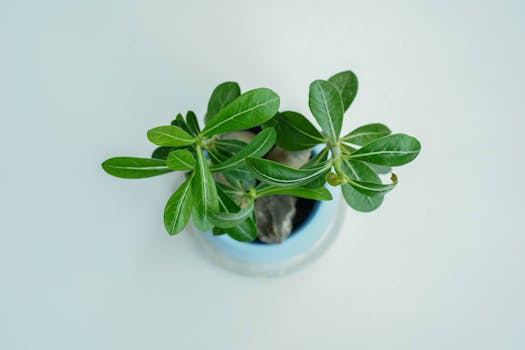
The rosa del desierto, or desert rose, is a striking plant with an exotic allure and bold, beautiful blooms. Its scientific name, Adenium obesum, hints at its sturdy, swollen trunk, which is a reservoir for water storage. Originating from the arid landscapes of Africa and Arabia, this resilient succulent has captivated gardeners and indoor plant enthusiasts alike who wish to add a touch of the desert’s mystery to their living spaces.
Mastering the care of the desert rose is a fulfilling endeavor, as this plant not only offers aesthetic pleasure but also the satisfaction of nurturing a piece of nature’s artwork. The following insights will guide you through the necessary steps to ensure your desert rose thrives, from proper location and watering to dealing with common challenges and propagation methods.
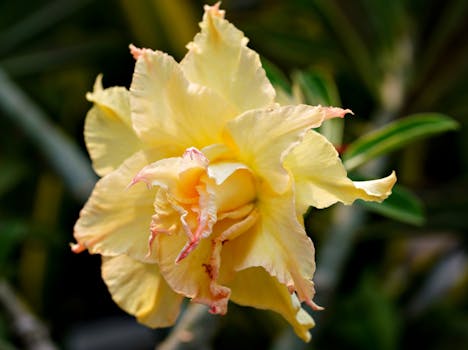
Table of Contents
- How to choose the ideal location for your desert rose plant
- How to properly water your desert rose
- What are the characteristics of the desert rose?
- What common problems do desert roses face and how to solve them?
- How to effectively prune and aesthetically care for your desert rose?
- How to propagate desert roses?
- Where to buy rosa del desierto seeds?
How to choose the ideal location for your desert rose plant
When selecting a spot for your rosa del desierto, consider its natural habitat. This succulent loves the sun and requires a minimum of 6 hours of sunlight daily. If you’re growing desert rose indoors, place it near a bright window where it can bask in plenty of natural light.
Ensure the location is well-ventilated to prevent any moisture-related issues. Bear in mind, temperature is equally critical; desert roses favor warmth, so avoid spots that could expose the plant to cold drafts or temperatures below 50°F (10°C).
Good air circulation and bright light are the cornerstones of a thriving desert rose, mimicking the conditions of its native environment. This approach will reward you with robust growth and vivid blossoms.
How to properly water your desert rose
Desert roses have unique watering needs, reflecting their adaptation to arid environments. During the growing season of spring and summer, water your desert rose every 7-10 days, allowing the soil to dry out completely between waterings.
In the fall and winter, reduce the frequency of watering as the plant enters a dormancy period. Overwatering is a common mistake and can lead to root rot, which is why it’s crucial to use well-draining soil and pots with adequate drainage holes.
Remember, watering practices vary depending on the environment’s humidity and temperature. Always check the soil before adding water to avoid the detrimental effects of excess moisture.

What are the characteristics of the desert rose?
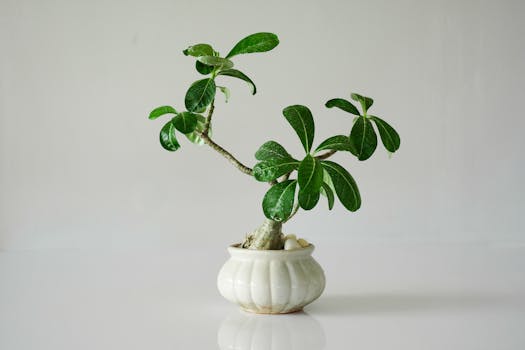
The desert rose, with its bulbous trunk and lush, glossy leaves, is recognized for its resilience and adaptability. This succulent is defined by its capacity to store water within its stout base, an adaptation that allows it to survive prolonged periods of drought.
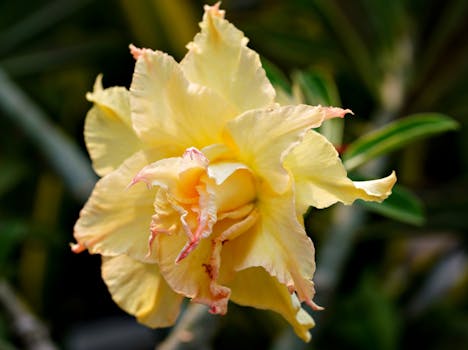
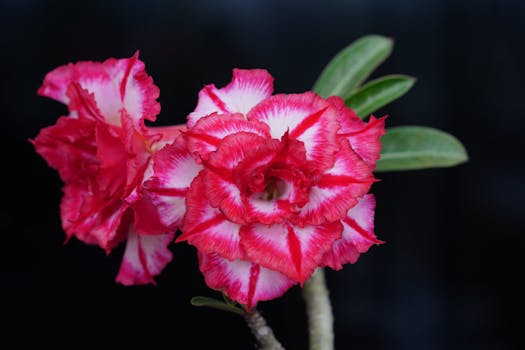
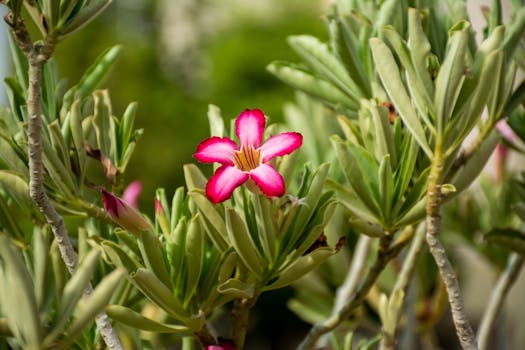
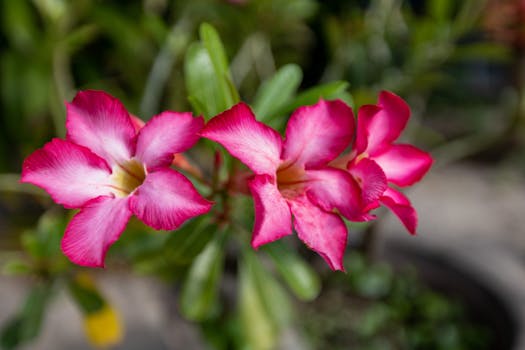
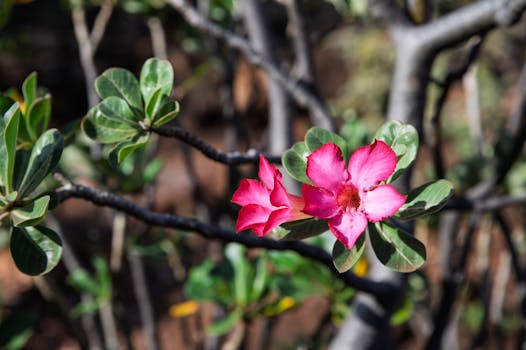
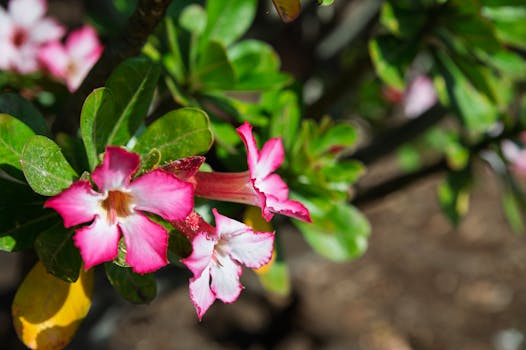
It blooms with trumpet-shaped flowers in shades of pink, white, and red, which often feature a contrasting throat color. The desert rose can reach up to 3 feet in height and width, making it a prominent feature in any plant collection.
Adenium obesum is a slow-grower, but given the right conditions, it can live for many years, gracing your home or garden with its striking presence.

What common problems do desert roses face and how to solve them?
- Yellowing leaves: This could indicate overwatering or poor soil drainage. Ensure you’re using a well-draining soil mix and adjust your watering routine.
- Pest problems: Common desert rose pests include aphids and spider mites. Keep an eye out for any signs of infestations and treat promptly with insecticidal soap or neem oil.
- Poor blooming: Lack of sunlight is often the culprit. Make sure your desert rose is getting enough light, and consider how to fertilize desert rose during its growing period to encourage flowering.
By being vigilant and responsive to these common issues, you can keep your desert rose healthy and vibrant.
How to effectively prune and aesthetically care for your desert rose?
Pruning is essential for maintaining the health and aesthetics of your desert rose. Remove any dead or damaged branches to promote new growth and improve air circulation. Pruning can also help control the plant’s shape, encouraging a more desirable, compact form.
Always use clean, sharp tools to make precise cuts, and prune during the active growing season for the best results. Don’t be afraid to remove leggy branches; the desert rose responds well to pruning and will become fuller and more robust.
Aesthetically, pruning plays a crucial role in highlighting the desert rose’s natural beauty. By sculpting the plant, you can accentuate its swollen trunk and vibrant blooms, turning it into a living piece of art.
How to propagate desert roses?
Propagating a desert rose can be a rewarding experience, and it’s not as difficult as you might think. Stem cuttings are the most common method, allowing you to create a new plant with the same characteristics as the parent.
Choose a healthy stem and cut a 4-6 inch piece. Allow the cutting to dry for a day or two to form a callus, which prevents rotting. Then, plant the cutting in a well-draining soil mix, keeping it warm and lightly moist until it roots.
With patience and proper care, your cuttings will develop into new desert rose plants, ready to enchant with their unique beauty.
Where to buy rosa del desierto seeds?
If you’re looking to grow your own desert rose from scratch, finding quality seeds is key. There are numerous online retailers where you can buy desert rose online. Look for reputable sellers with positive reviews, ensuring that the seeds are fresh and viable for the best germination rates.
When purchasing seeds, consider the variety of desert rose you wish to grow, as there are many different hybrids with unique flower colors and patterns. Properly sourced seeds will give you a head start in growing a healthy and vibrant plant.
With these insights and tips, caring for a rosa del desierto is a journey full of discovery and satisfaction. Embrace the process, and you’ll be rewarded with a desert rose that stands as a testament to your dedication and gardening prowess.