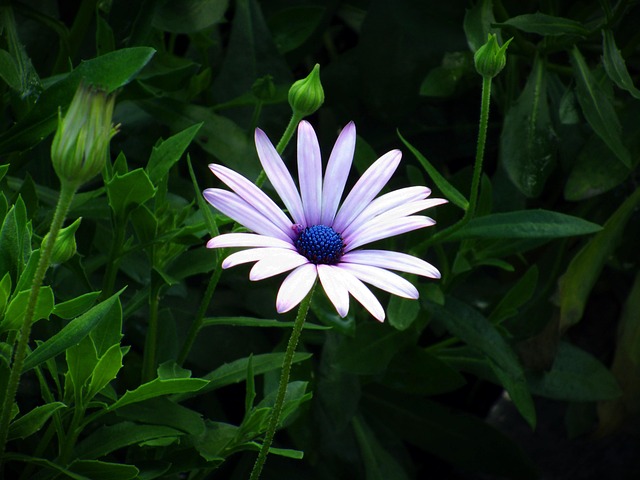
The dimorfoteca, commonly referred to as the African daisy, is a vibrant and colorful plant that brings life to any garden or landscape. Known for its striking flowers and easy-care nature, it’s a popular choice among gardeners and enthusiasts alike.
Table of Contents
Characteristics of the dimorfoteca
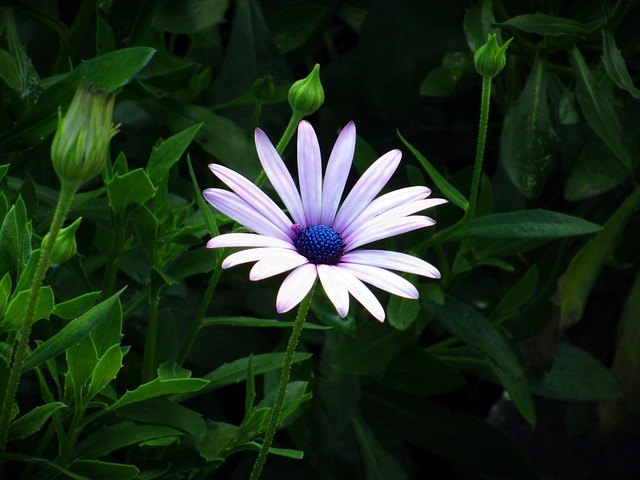
The dimorfoteca boasts an array of unique features that distinguish it from other plants. Its daisy-like flowers present a cheerful display, with petals radiating around a central disc. The foliage is typically green, with a bushy growth habit that adds texture to the garden. These plants can reach up to 2 feet in height and spread, creating an eye-catching spread in any outdoor space.
In addition to their aesthetic appeal, dimorfoteca flowers come with an added bonus—they attract a variety of pollinators, such as bees and butterflies, contributing to the health of your garden ecosystem. The flowering season can extend from early spring to late fall, depending on the climate and care provided, ensuring a long-lasting splash of color.
The resilience of this plant is notable as it can tolerate various soil types, though it prefers well-draining conditions. It’s also known for being drought-tolerant once established, making it an excellent choice for water-conscious gardeners.
How to care for the dimorfoteca?
Caring for dimorfoteca is relatively straightforward, which adds to its appeal. To ensure that these plants thrive, they require a sunny spot as they are sun-loving species. They should be watered regularly, but it’s crucial to let the soil dry out between watering to prevent root rot.
When it comes to feeding, a balanced, slow-release fertilizer can be applied in early spring to promote healthy growth and abundant blooms. Deadheading spent flowers will encourage more blooms and extend the flowering period. In colder climates, mulching around the base can help protect the roots from freezing temperatures.
Pruning is another aspect of Dimorphotheca care tips. Pruning back the foliage after the blooming season can help maintain the shape of the plant and encourage denser growth in the following season.
What are the uses of dimorfoteca?
- Landscape design: With its vivid colors and attractive foliage, dimorfoteca can enhance the visual appeal of any garden.
- Container gardening: These plants are excellent for pots and containers, making them a versatile addition to patios and balconies.
- Cut flowers: The blooms make for beautiful cut flower arrangements, adding a touch of elegance to any setting.
What are the best conditions for dimorfoteca seeds?
To achieve successful germination, dimorfoteca seeds require certain conditions. They should be sown on the surface of a well-draining seed starting mix, as they need light to germinate. A warm temperature, around 70 degrees Fahrenheit, is ideal. Consistent moisture is crucial during this stage, but be careful not to overwater.
Once seedlings emerge, providing them with ample light is vital for strong growth. If starting seeds indoors, a grow light may be necessary to prevent leggy growth. Seedlings should be acclimatized to outdoor conditions gradually before planting them in their final location.
How to plant dimorfoteca?
Planting dimorfoteca is a joy for many gardeners due to the plant’s adaptability. It can be planted from seed directly into the garden after the threat of frost has passed or started indoors for an early jump on the season.
Choose a sunny location with well-drained soil. Spacing the plants about 12 to 18 inches apart will allow for proper air circulation and growth. Water the newly planted dimorfotecas thoroughly and continue to provide regular water until they are well established.
As part of Dimorphotheca propagation methods, aside from seeds, the plant can also be propagated through cuttings or division, offering multiple ways to expand your collection or share with fellow gardeners.
What colors do dimorfoteca flowers come in?
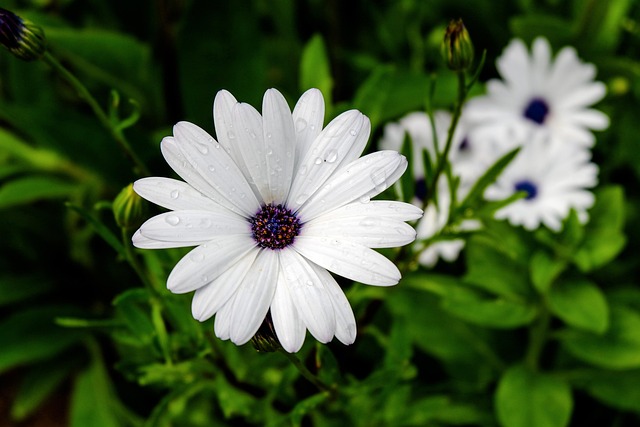
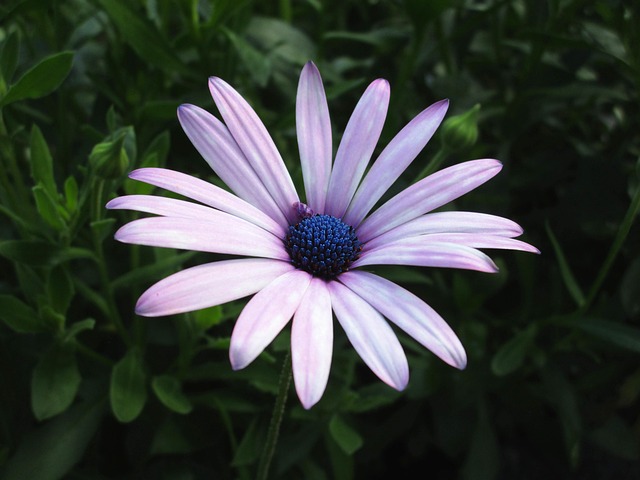
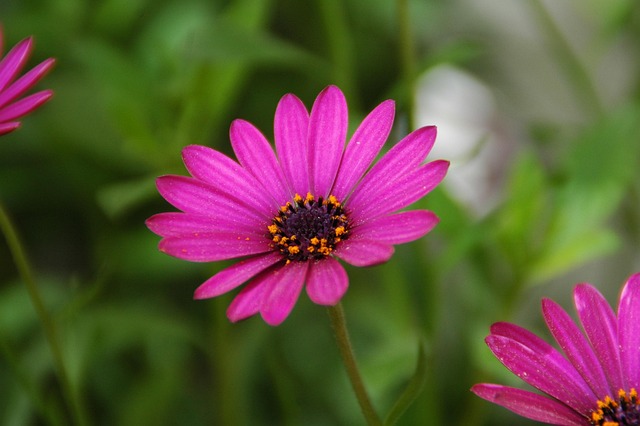
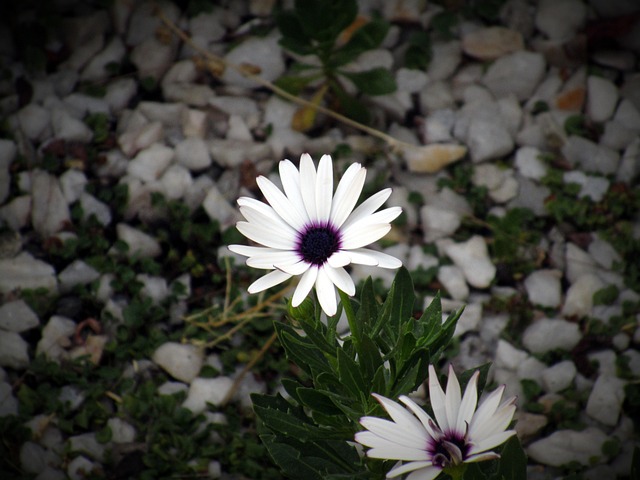
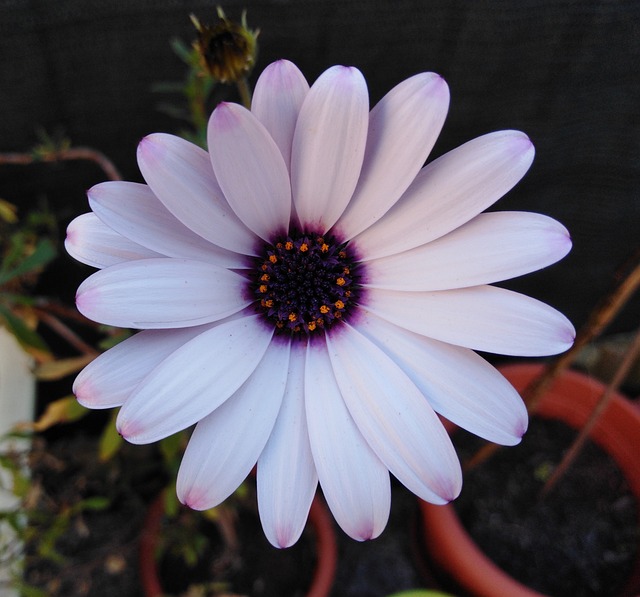
The spectrum of Dimorphotheca flower colors is quite broad, ranging from pure white to vibrant oranges and yellows. Certain varieties may also feature blooms with striking hues of purple and pink, with some flowers exhibiting multiple colors in a single bloom.
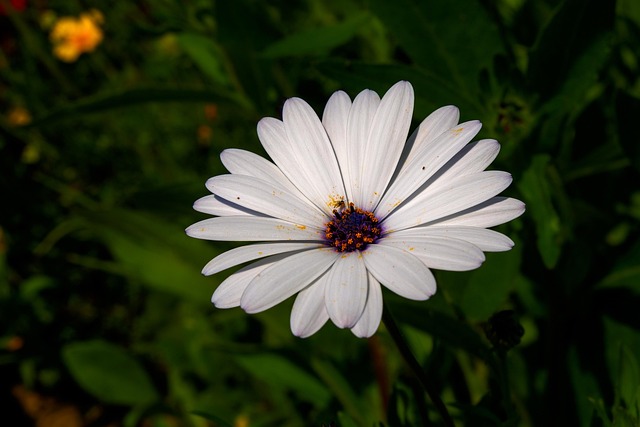
Each color variation can add a different dimension to your garden palette. For instance, white flowers can brighten up shady areas, while the warmer tones can add heat to a sun-drenched border.
It’s not uncommon for gardeners to incorporate several colors of dimorfoteca flowers into a single bed or border for a tapestry of colors that evolves throughout the growing season.
Related questions about dimorfoteca
What is Dimorphotheca?
Dimorphotheca, often known as the African daisy, is a genus of plants that are part of the Asteraceae family. Originating from South Africa, these hardy plants are admired for their showy, daisy-like flowers and ability to thrive in various climates.
They have become a popular choice for ornamental gardening due to their vibrant colors and ease of care. These attributes make dimorfoteca a perfect choice for those looking to add a burst of color to their gardens or landscapes.
Are Dimorphotheca annuals or perennials?
Dimorphotheca species include both annual and perennial plants. The categorization depends on the specific variety and the climate in which it is grown. In regions with mild winters, some dimorfoteca can be grown as perennials, returning year after year.
In colder climates where frost is a concern, they are often treated as annuals since they may not survive the freezing temperatures. Gardeners should choose the correct type based on their local growing conditions for the best results.
How much sun do Dimorphotheca need?
Dimorphotheca plants are known for their love of sunlight. They flourish in full sun conditions, requiring at least 6 to 8 hours of direct sunlight each day. This exposure is crucial for optimal growth and flower production.
While they can tolerate partial shade, too little sun may result in fewer blooms and a less vigorous plant. For gardeners looking to maximize their dimorfoteca’s potential, a sunny spot in the garden is ideal.
Do Dimorphotheca flowers attract bees?
Yes, the bright and beautiful flowers of the dimorfoteca are excellent at attracting pollinators, with bees being particularly fond of them. The blooms provide an abundant source of nectar, making these plants a valuable addition to any pollinator-friendly garden.
By including dimorfoteca in your garden, you not only gain a stunning visual feature but also contribute to the health and diversity of your local ecosystem by supporting bee populations.
Remember to enjoy the process of planting and caring for your dimorfoteca, and don’t hesitate to experiment with different colors and placements to create your own personal floral masterpiece.