Echinoderms are a fascinating and unique group of marine creatures that have piqued the curiosity of scientists and ocean enthusiasts alike. With their striking forms and intricate behaviors, echinoderms are truly wonders of the aquatic world.
Table of Contents
What are echinoderms?
Echinoderms, derived from the Greek words “echinos” meaning “spiny” and “derma” meaning “skin,” are a phylum of marine invertebrates known for their radial symmetry and mesodermal ossicles. This diverse group includes species such as starfish, sea urchins, and sea cucumbers. They are found at various ocean depths, from intertidal zones to the abyssal plain.
Unlike most animals, echinoderms exhibit pentamerous symmetry, meaning their body plan is organized in fives or multiples thereof. This unique feature is coupled with an internal skeleton composed of calcareous plates or ossicles, and a remarkable water vascular system that functions in locomotion, feeding, and respiration.
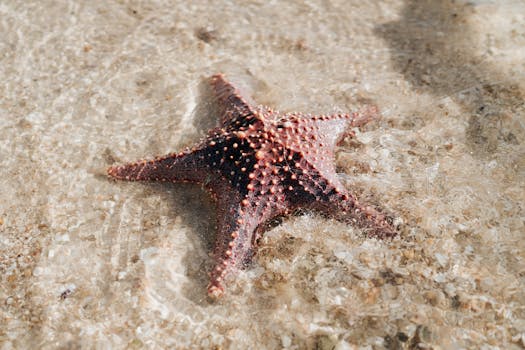
Often overlooked, echinoderms play essential roles in marine ecosystems. For example, sea urchins control the growth of algae, while starfish prey on bivalves, helping to maintain the balance of the marine food web. Their ability to regenerate lost body parts and their various reproductive strategies are also noteworthy characteristics that have made them a subject of intense study.
Characteristics of echinoderms
Echinoderms are characterized by several distinctive features. One of the most notable is their unique body structure. These creatures possess a water vascular system, which uses hydraulic pressure to aid in movement and feeding. The system is comprised of a series of canals and tube feet that extend outward, allowing the echinoderm to adhere to surfaces or manipulate food.
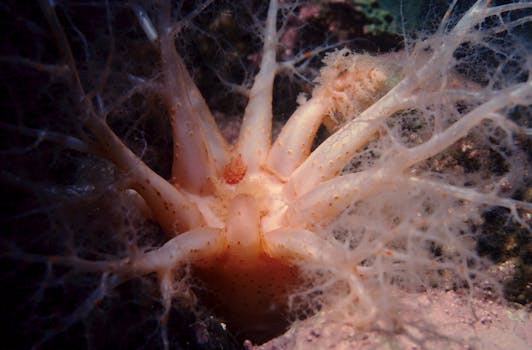
Their skin, often prickly or spiny due to calcareous plates, provides protection from predators, and their capacity for regeneration is among the most advanced in the animal kingdom. It’s not uncommon for a sea star to regrow an entire limb or for certain species to reproduce asexually by division.
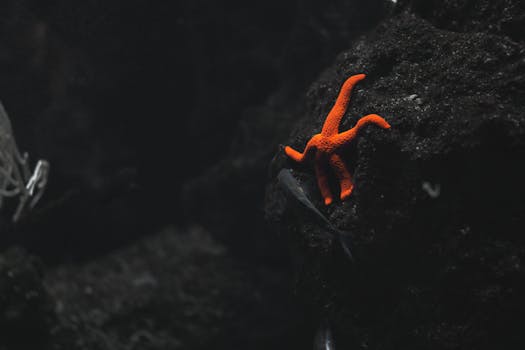
Another characteristic is their larval stage, which is drastically different from their adult form. Echinoderm larvae are bilaterally symmetrical and free-swimming, a stark contrast to the radial symmetry observed in adulthood. This metamorphosis continues to intrigue researchers regarding evolutionary development processes.
Classification of echinoderms
The phylum Echinodermata is divided into five main classes, each exhibiting unique adaptations and characteristics. These classes are Asteroidea (starfish), Ophiuroidea (brittle stars), Echinoidea (sea urchins and sand dollars), Holothuroidea (sea cucumbers), and Crinoidea (sea lilies and feather stars).
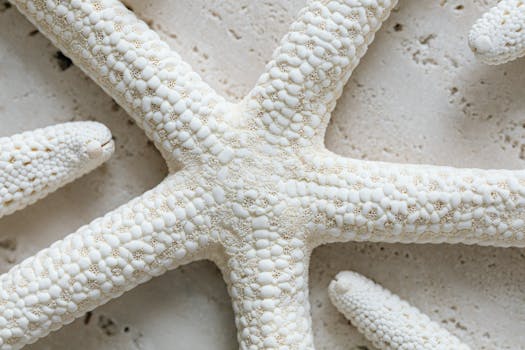
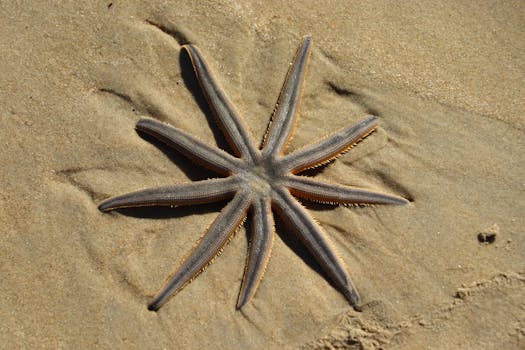
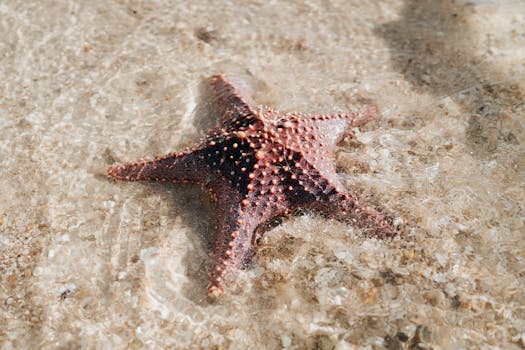
Asteroidea are perhaps the most well-known echinoderms, easily recognized by their star-shaped body and prominent arms. The Ophiuroidea class is known for its slender, serpent-like arms, while Echinoidea includes both spiny sea urchins and flattened sand dollars. Holothuroidea, or sea cucumbers, have elongated bodies and are highly valued in some cultures as a delicacy. Lastly, the Crinoidea are characterized by their flower-like appearance with feathery arms that filter-feed plankton from the water.
These classifications not only help us understand the diversity within the echinoderm phylum but also provide insights into the evolutionary pathways that have led to their current forms.
Examples of echinoderms
Echinoderms are present in all the world’s oceans and exhibit a wide range of shapes, sizes, and colors. For instance, the common sea star (Asterias rubens) is widely recognized, while the crown-of-thorns starfish (Acanthaster planci) is notorious for its impact on coral reefs.
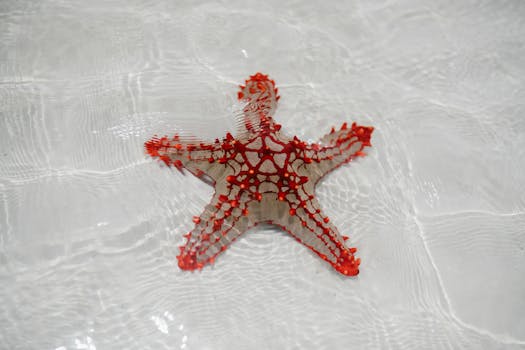
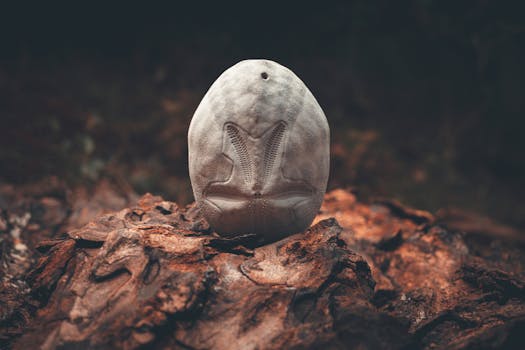
Sea urchins, such as the purple sea urchin (Strongylocentrotus purpuratus), play a crucial role in kelp forest ecosystems, and the sand dollar (Echinarachnius parma) is a familiar find on beaches. The gentle sea cucumber (Holothuria) serves as a vital part of the ocean floor’s cleanup crew, ingesting sediment and recycling nutrients.
Lastly, feather stars, like the colorful Florometra serratissima, add to the rich tapestry of marine biodiversity with their ornate and flowing arms.

Curiosities about echinoderms
Echinoderms are a source of endless fascination. For example, some species can expel their stomachs outside their bodies to envelop and digest food, a process known as external digestion. Their skin contains saponins, chemical compounds that can be toxic to fish, making echinoderms unpalatable to many potential predators.
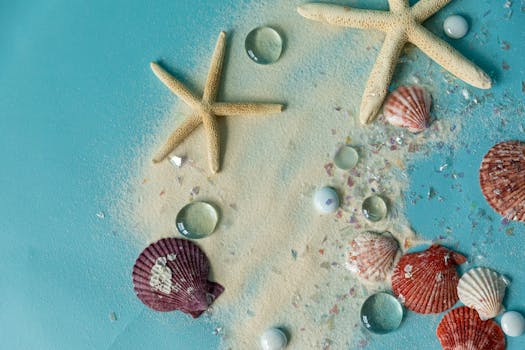
Their regenerative capabilities are not only limited to limbs. In some cases, a single arm can regenerate an entire new sea star, provided it contains part of the central disc. This astounding ability has implications for research in regenerative medicine and biology.
Moreover, the beauty and diversity of echinoderms have made them a popular subject in aquariums and marine biology education, sparking interest in ocean conservation and the importance of preserving delicate marine ecosystems.
Echinoderms reproduction and development
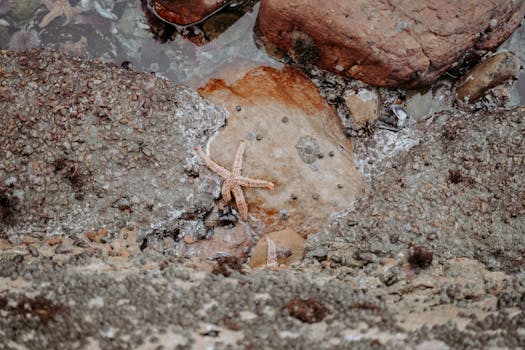
The reproduction of echinoderms can occur both sexually and asexually. Most species release eggs and sperm into the water, where external fertilization takes place. The resulting larvae undergo a series of transformations before settling on the ocean floor and metamorphosing into the adult form.
Asexual reproduction is less common but can occur through processes such as fission or by the growth of a new individual from a part of the parent’s body. This reproductive strategy can be especially advantageous in stable environments where genetic diversity is less critical for survival.
The development of echinoderms from larvae to adults is a complex and highly regulated process, providing insights into the evolutionary mechanisms that have shaped their life cycles and adaptations to marine environments.
Related questions about echinoderms
What are the 5 classes of echinoderms and examples?
The five classes of echinoderms are Asteroidea (e.g., common starfish), Ophiuroidea (e.g., basket star), Echinoidea (e.g., red sea urchin), Holothuroidea (e.g., sea pig), and Crinoidea (e.g., feather star).
Each class represents a distinct evolutionary path within the phylum, exhibiting unique adaptations that enable them to thrive in a variety of marine environments. Their examples reflect the remarkable diversity found within this group of organisms.
What animals are echinoderms?
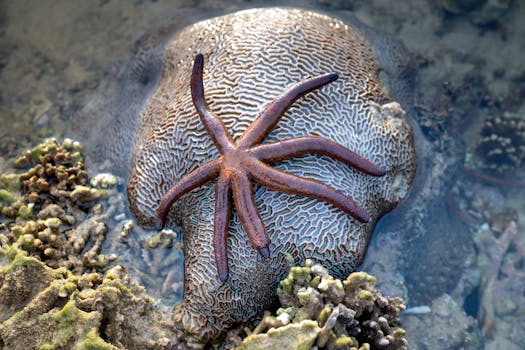
Echinoderms encompass a wide array of animals, including sea stars, brittle stars, sea urchins, sand dollars, sea cucumbers, sea lilies, and feather stars. Despite their differences, they share commonalities such as a calcium carbonate skeleton and radial symmetry.
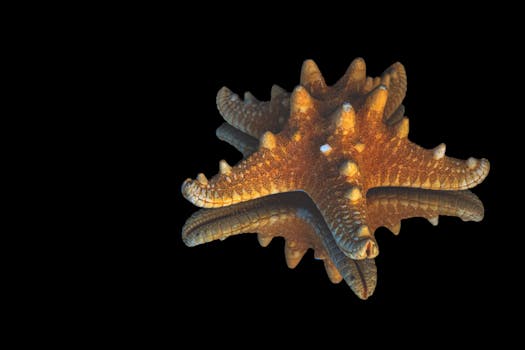
These creatures are exclusively marine and are found in oceans across the world, from shallow reefs to the deep sea. Their roles in marine ecosystems are as varied as their forms, contributing to the health and stability of their respective habitats.
What is a group of sea urchins called?
A group of sea urchins is often referred to as a herd. While sea urchins can be found solitary, they sometimes congregate in large numbers, especially when food resources are plentiful or during breeding seasons.
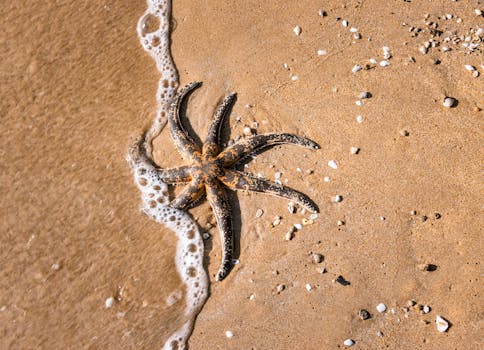
These herds can significantly influence their environment, particularly in kelp forest ecosystems where they act as herbivores, grazing on algae and kelp.
What is the role of echinoderms?
Echinoderms play vital ecological roles in marine environments. As predators, prey, and scavengers, they contribute to the balance of marine food webs and help maintain healthy benthic ecosystems.
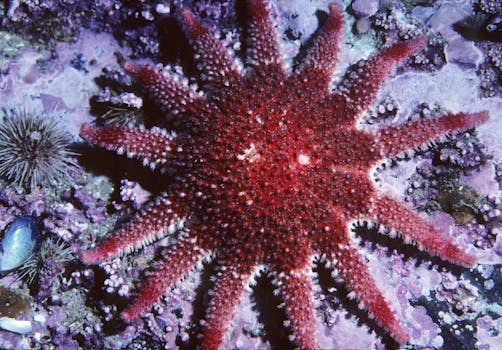
For example, their feeding activities can regulate algae growth, while their waste products provide nutrients for other marine organisms. Additionally, their complex life cycles and reproductive strategies enhance genetic diversity and resilience in face of environmental changes.