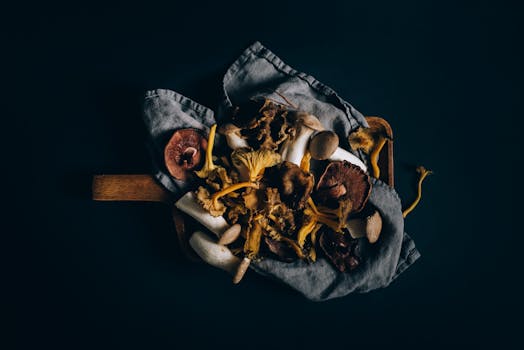
Edible mushrooms offer an astonishing variety of tastes, textures, and health benefits, and they have been a staple in various cuisines around the world. Mushrooms not only enhance the flavor of dishes but are also lauded for their nutritional value. In particular, the region of Honduras boasts a fascinating array of edible mushrooms, each with its unique characteristics and culinary uses.
As the popularity of foraging grows, so does the importance of understanding how to safely identify and enjoy these natural delicacies. This article delves into the world of edible fungi, exploring everything from the nutritional benefits to the historical significance of these intriguing organisms.
Table of Contents
What are edible mushrooms?
Edible mushrooms are the fruiting bodies of certain fungi species that are safe for consumption. They come in an array of shapes, sizes, and colors, and can be found both in the wild and cultivated for culinary use. Unlike their toxic counterparts, edible mushrooms are known for their rich flavors and health benefits.
Some of the most well-known edible mushrooms include varieties such as shiitake, porcini, and chanterelles. Each type of mushroom offers a unique taste and texture, making them a versatile ingredient in cooking.
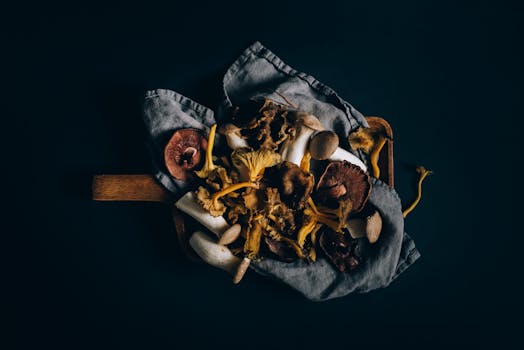
When foraging for mushrooms, it’s essential to have a good understanding of which species are safe to eat. This knowledge can prevent the accidental ingestion of toxic mushrooms, which can lead to severe illness or even death.
Types of edible mushrooms
Honduras, like other regions of the world, is home to a diverse array of edible fungi. Among the notable species are the vibrant Laetiporus sulphureus and the delicate Cantharellus, both of which are prized for their distinct flavors.

Edible mushrooms vary widely in their culinary uses. Some, like the Amanita caesarea, are best enjoyed fresh, while others, such as Lactarius and Ramaria, may be dried or preserved for later use.

- Laetiporus sulphureus, also known as the chicken of the woods, is a wood-inhabiting mushroom known for its meaty texture.
- Cantharellus, commonly referred to as chanterelles, are sought after for their delicate flavor and fruity aroma.
- Amanita caesarea, known as Caesar’s mushroom, is considered a delicacy in many cultures.
- Lactarius species, often called milk-caps, exude a milky substance when cut or damaged.
- Ramaria forms colorful coral-like structures and can add a visually striking element to dishes.
How to distinguish edible from toxic mushrooms
Identifying edible mushrooms in the wild is a skill that requires knowledge, expertise, and often guidance from experienced foragers. It is crucial to be able to differentiate between edible wild mushrooms and their toxic lookalikes to ensure safe consumption.
Some basic tips for distinguishing safe mushrooms include checking for specific features like gill attachment, spore print color, and the presence of a ring around the stem. However, these characteristics alone are not foolproof, and one should always consult a reliable field guide or an expert mycologist.

Foraging for mushrooms should always be approached with caution, and one should never consume a mushroom unless they are 100% certain of its identity. The motto “When in doubt, throw it out” is a wise practice to follow.
Edible mushrooms in Honduras
Honduras is home to a rich variety of mushrooms, some of which include indigenous species that have been part of the local diet for centuries. The country’s diverse ecosystems, from its lush rainforests to its pine-covered highlands, provide ideal environments for different mushroom species to thrive.
The study and appreciation of Honduran edible mushrooms are growing, with increased interest in their potential for both cuisine and medicine. Efforts to catalog and promote the sustainable harvesting of edible fungi in the region are underway, contributing to the preservation of both biodiversity and cultural heritage.

Popular edible mushrooms in Mexico
Mexico’s rich mycological heritage has a long and storied history that dates back to pre-Hispanic times. The country is known for its vast array of edible mushrooms, many of which are integral to traditional Mexican cuisine.
Edible fungi such as the huitlacoche, also known as corn smut, are considered a delicacy. Other popular varieties include wild mushroom foraging favorites like the Amanita caesarea and various species of the genus Cantharellus.
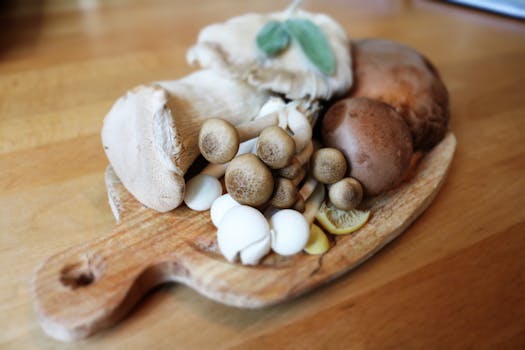
Mushrooms play a significant role in Mexican culture, with festivals and markets dedicated to their celebration. The growing interest in micotourism has also highlighted the ecological and economic importance of mushrooms in the region.
Nutritional benefits of edible mushrooms
Edible mushrooms are not only delicious but also packed with numerous health benefits. They are a low-calorie food rich in proteins, vitamins, and antioxidants. Many species contain high levels of vitamin D, fiber, and essential minerals like selenium and potassium.
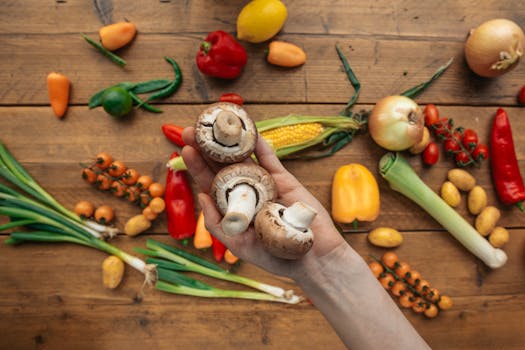
The nutritional benefits of edible fungi make them a valuable addition to any diet. They have been linked to improved immune system function, reduced inflammation, and even potential anti-cancer properties.
As research continues, the full extent of the health benefits offered by mushrooms is still being uncovered, solidifying their reputation as both a culinary delight and a nutritional powerhouse.
Finding edible mushrooms in nature
For those interested in foraging for wild mushrooms, understanding the habitats where they grow is key. Edible mushrooms can be found in various environments, from damp, shaded forests to open grasslands.

Some species prefer the decaying wood of fallen trees, while others establish symbiotic relationships with living plants. It’s important to familiarize oneself with the specific growing conditions of the mushrooms one wishes to forage.
Always practice safe foraging practices for edible fungi to ensure sustainability and prevent damage to natural ecosystems. Foraging with an experienced guide or participating in a local mycological society can provide valuable insights into finding and harvesting edible mushrooms responsibly.

Related questions about edible mushrooms
What do ‘hongos’ mean in food?
In the culinary world, ‘hongos’ is the Spanish term for mushrooms, referring to the edible varieties used in cooking. Mushrooms are a versatile ingredient that can be incorporated into a myriad of dishes, enhancing flavor, texture, and nutritional value.
Mushrooms are celebrated for their ability to absorb flavors and add umami, the savory fifth taste, to meals. From simple sautés to elaborate gourmet creations, ‘hongos’ are a fundamental component of global cuisine.
What is the name of edible fungi?
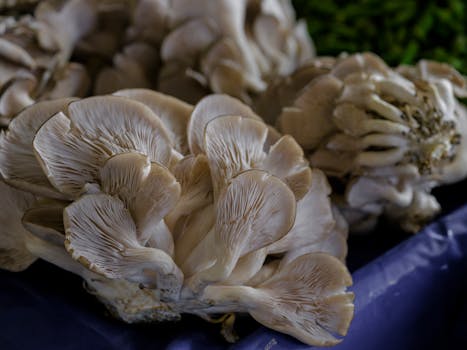
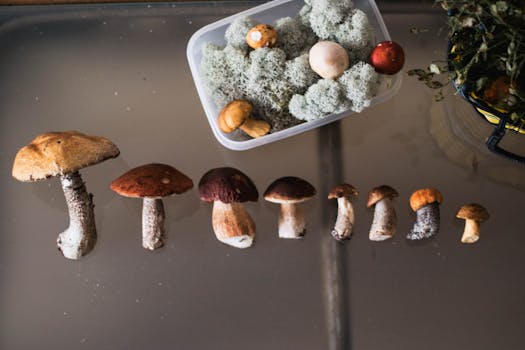
The term “edible fungi” encompasses a broad range of mushroom species that are safe for human consumption. Names of edible fungi vary by species, with some well-known examples including Portobello, cremini, oyster mushrooms, and morel mushrooms.
Each type of edible mushroom carries its unique name, often derived from its physical characteristics, place of origin, or historical significance. Understanding these names is essential for identifying and enjoying the diverse world of edible fungi.

In the exploration of edible mushrooms in Honduras and beyond, we have seen their culinary value, nutritional benefits, and cultural significance. Whether you are a seasoned forager or a culinary enthusiast, the world of edible fungi offers an endless adventure in taste and discovery. Remember, always prioritize safety and sustainability when engaging with the natural bounty of mushrooms.