Endangered animals are a critical concern for conservationists and nature enthusiasts alike. The fragility of various species’ existence is a stark reminder of the delicate balance within our ecosystems. As we delve into the plight of these creatures, it is essential to recognize the pressing need for immediate action to prevent further loss of biodiversity.
Table of Contents
- What are the most endangered animal species today?
- How many species are at risk of extinction?
- What are the causes of animal extinction?
- Which animals are critically endangered?
- How can we help endangered animals?
- What role do climate change and habitat destruction play in extinction?
- What are the most notable conservation efforts?
- Related questions about endangered species and conservation efforts
What are the most endangered animal species today?
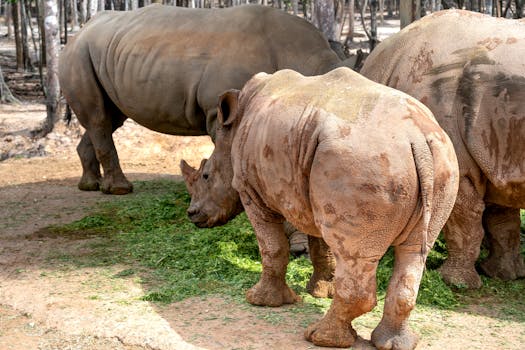
The list of most endangered animal species today is alarmingly extensive. Creatures like the Javan rhinoceros and the vaquita marina top this list, facing imminent threats that could lead to their disappearance. These species are not only important in their own right but also serve as critical indicators of the health of their respective environments.
Additional species such as the Sumatran orangutan and polar bears are experiencing significant population declines. The drastic reduction in their numbers is a clarion call for heightened conservation measures. Each species faces unique challenges, yet the common thread of human impact is undeniable.
These species, among others, illustrate the broader crisis of biodiversity loss and the urgency with which we must act to mitigate it. Conservation efforts must be strategic, well-funded, and global in scope to reverse these disturbing trends.
How many species are at risk of extinction?
According to reports, including those from the IUCN Red List, an astonishing number of species are teetering on the brink of extinction. Nearly 50,000 species have been identified as endangered, encompassing a wide range of flora and fauna. This figure represents a mere fraction of the 7.7 million known species on Earth, suggesting a much broader issue of endangered animal species worldwide.
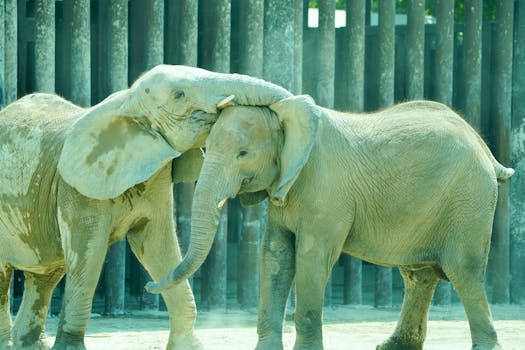
From amphibians to birds, mammals to reptiles, no class of animal is immune to the threat of extinction. The numbers are not static, as new assessments continually add to the tally of species at risk. This underscores the fact that conservation is an ongoing struggle against time and human-induced environmental pressures.
It is a sobering realization that what we stand to lose extends beyond individual species. The potential disappearance of these creatures signals a larger crisis in global biodiversity and ecosystem health.
What are the causes of animal extinction?
Several factors contribute to animal extinction. Chief among them is habitat destruction, often driven by deforestation, urban expansion, and industrial agriculture. These practices not only reduce the natural living spaces of wildlife but also fragment what remains, making it harder for species to survive and thrive.
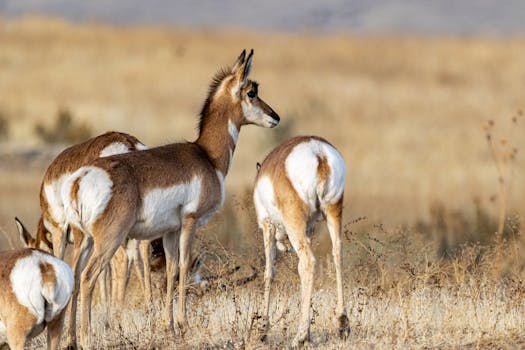
Poaching and illegal wildlife trade are other significant threats that directly target animals, particularly those with valuable fur, tusks, or supposed medicinal properties. Moreover, climate change continues to alter habitats at an unprecedented rate, challenging species to adapt quickly or face dire consequences.
Finally, pollution and invasive species introduced by human activities further complicate survival chances for native wildlife. These causes are largely anthropogenic, indicating a clear need for human intervention to reverse these destructive trends.
Which animals are critically endangered?
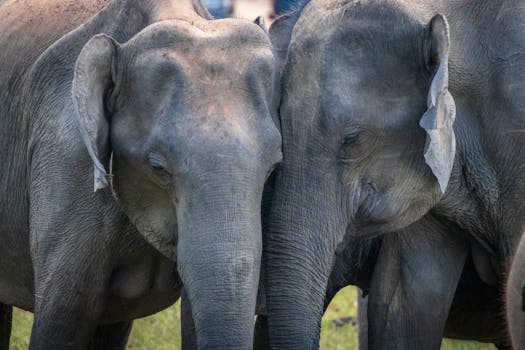
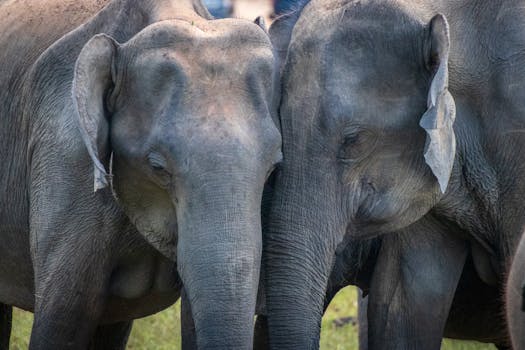
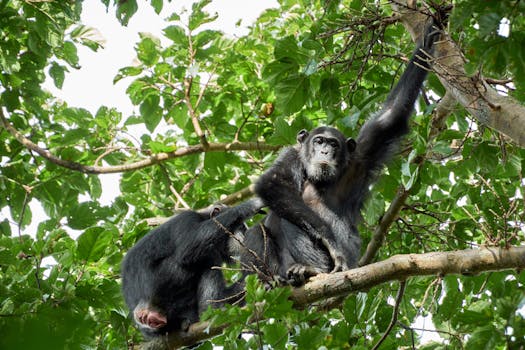
The list of critically endangered species is both extensive and diverse. It includes iconic animals like tigers and elephants, as well as lesser-known but equally important species such as the Javan rhinoceros. Each one faces critical threats that require immediate attention.
For example, the vaquita marina, a small porpoise found in the Gulf of California, now numbers fewer than a hundred individuals, primarily due to bycatch in illegal fishing operations. Similarly, the Sumatran orangutan is losing its habitat to palm oil plantations at an alarming rate.
These examples represent just a few of the many species that are facing an existential crisis. Identifying them is a crucial step, but it must be followed by targeted and effective conservation strategies to ensure their survival.
How can we help endangered animals?
Helping endangered animals requires a multifaceted approach. One crucial aspect is supporting and engaging in wildlife conservation initiatives. This may include contributing to organizations that work on the ground to protect these species or participating in community-based projects.
Educating oneself and others about the importance of biodiversity and the role each species plays in its ecosystem is another vital step. Through public awareness and advocacy, we can push for stronger environmental policies and better enforcement against illegal activities.
On an individual level, making conscious choices that reduce our environmental footprint can significantly impact conservation efforts. This includes supporting sustainable products and practices that minimize habitat destruction and biodiversity loss.
What role do climate change and habitat destruction play in extinction?
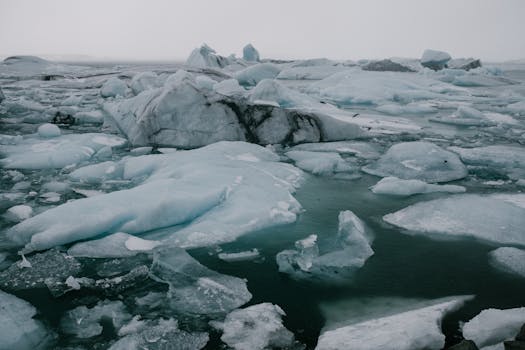
Climate change and habitat destruction are two of the most significant factors contributing to the extinction of species. Climate change affects weather patterns, food availability, and breeding cycles, forcing species to either adapt rapidly or face extinction. For instance, polar bears are struggling to find stable sea ice from which to hunt due to rising temperatures.
Habitat destruction, often for agriculture or urban development, not only reduces the space available for wildlife but also leads to fragmentation, which can isolate populations and prevent breeding. Such pressures highlight the importance of habitat preservation as a cornerstone of conservation efforts.
Addressing these issues requires a concerted effort to reduce greenhouse gas emissions and implement land-use practices that prioritize ecological health. By doing so, we can help mitigate the impacts of climate change and habitat destruction on vulnerable species.
What are the most notable conservation efforts?
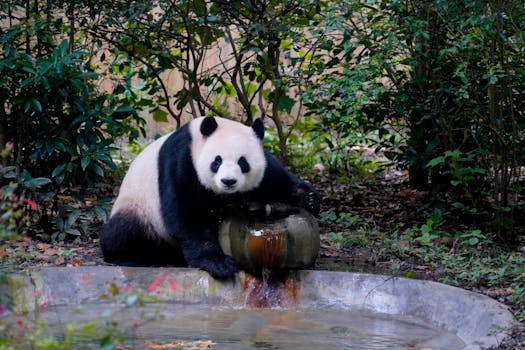
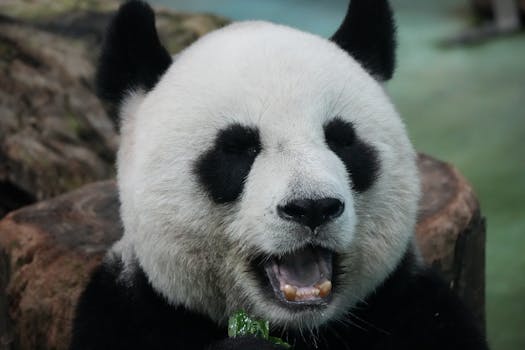
Despite the daunting nature of wildlife conservation, there have been notable successes. China’s panda conservation campaign has seen the iconic species’ status improve from “endangered” to “vulnerable,” demonstrating the impact of dedicated efforts. Other initiatives, such as anti-poaching patrols and legal protection for critical habitats, have also shown promise.
Conservation programs that involve local communities in sustainable practices have proven particularly effective. By ensuring that protecting wildlife also benefits local populations, these efforts create a vested interest in the continued existence of these species.
International collaborations, such as the Convention on International Trade in Endangered Species (CITES), have helped to regulate the trade of wildlife and reduce poaching. These efforts, along with ongoing research and education, form the backbone of current conservation strategies.
Related questions about endangered species and conservation efforts
What are the 10 most endangered animals?
Listing the 10 most endangered animals highlights the diversity of species facing critical threats. This list includes the Amur leopard, the vaquita, the Javan rhinoceros, and the Sumatran elephant, among others. Each of these animals is struggling to survive in the face of severe challenges.
Efforts to protect these species range from anti-poaching operations to captive breeding programs. By focusing on these ten, conservationists hope to raise awareness and inspire action to protect these and other endangered species.
Which animals around the world are at risk?
Animals at risk of extinction can be found across the globe, from the tigers of Asia to the gorillas of Africa. The plight of these animals is a global concern that transcends national borders, emphasizing the need for international cooperation in conservation efforts.
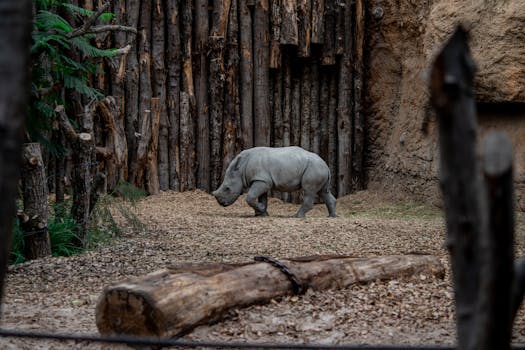
Species such as the mountain gorilla and the Sumatran tiger are just two examples of animals whose survival is uncertain. Protecting these species requires a comprehensive approach that addresses the root causes of their decline.
What are 100 endangered animals?
While it is impractical to list all 100 endangered animals here, it is worth noting that the number reflects a mere fraction of the species at risk. The IUCN Red List provides a detailed catalogue of endangered species, serving as a critical resource for conservationists and policymakers.
The sheer number of animals on this list is a stark reminder of the breadth of the challenge we face in preserving our planet’s biodiversity. Each species on the list is a call to action.
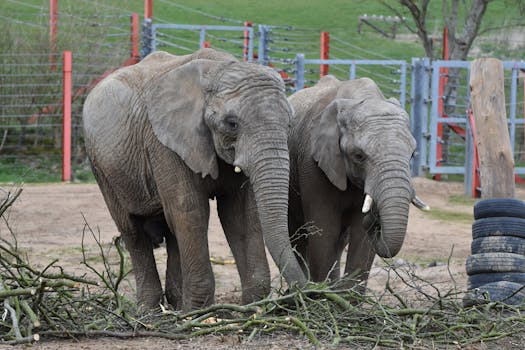
Which five animals are at the greatest risk of extinction?
The five animals facing the greatest risk of extinction include the vaquita marina, the Javan rhinoceros, the Sumatran orangutan, the saola, and the northern white rhinoceros. These species represent the urgency of the conservation crisis and the need for immediate action.
The common factors threatening these animals’ survival are human-related: habitat loss, climate change, and illegal trade. Addressing these issues is critical to their survival and the health of ecosystems worldwide.
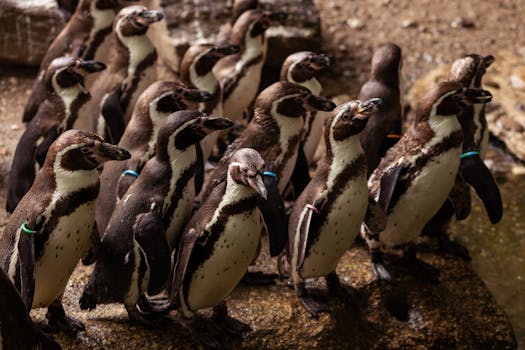
Understanding the plight of endangered species is the first step toward taking action. By becoming informed and engaged, we can all contribute to the fight against extinction and work towards a future where biodiversity thrives.