The equatorial climate is one of the most fascinating climatic zones on our planet. Defined by its consistent warmth and abundant rainfall, this climate fosters some of the most biologically diverse ecosystems known to humankind. From the dense rainforests to the unique wildlife, the clima ecuatorial is a topic of great interest for scientists, environmentalists, and curious minds alike.
Table of Contents
What is the equatorial climate?
The equatorial climate, or tropical rainforest climate, is found at or near the Earth’s equator. It is characterized by high temperatures that usually remain consistent throughout the year, rarely falling below 18°C. This warmth, combined with significant rainfall, contributes to the lush, green landscapes commonly associated with this climate.
Regions with an equatorial climate experience little variation in daylight hours and temperature over the year, leading to a lack of distinct seasonal changes. This consistency is what differentiates the equatorial climate from other tropical climates, which may have well-defined wet and dry seasons.
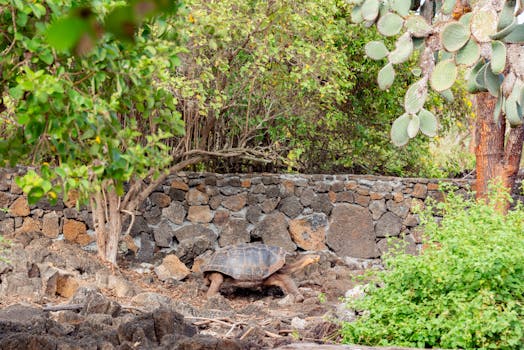
Such climatic conditions are conducive to the growth of dense forests, which are home to a plethora of plant and animal species. These areas of the world are incredibly important for their contribution to global biodiversity and the ecological services they provide.
Characteristics of the equatorial climate
The most defining characteristics of the equatorial climate include high humidity and precipitation. Rainfall occurs throughout the year, often exceeding 2,000 mm annually. This leads to a high moisture content in the air, fostering the growth of a rich and vibrant ecosystem.
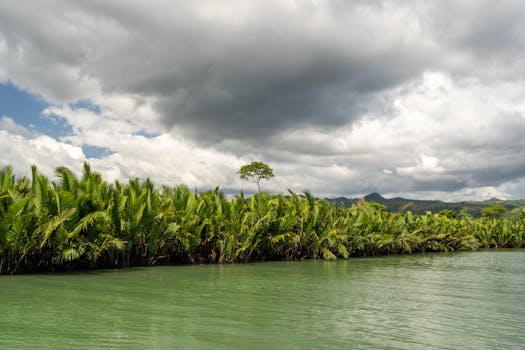
Due to the warmth and humidity, cloud cover is common, reducing the amount of direct sunlight that reaches the ground. Despite this, the climate is immensely supportive of life, sustaining complex food webs and ecological interactions.
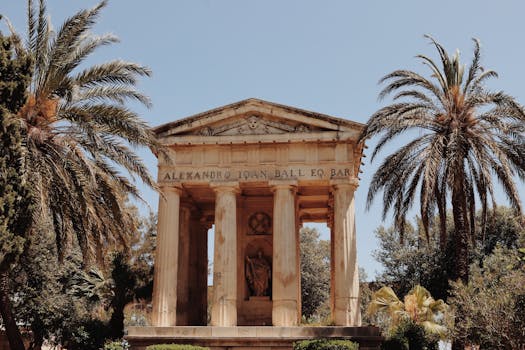
Another notable characteristic is the lack of strong winds. The equatorial region is typically calm, with occasional bursts of heavy rain brought on by thunderstorms. These downpours can be intense but are usually short-lived, quickly giving way to sunshine.
Equatorial climate temperature
Temperature in the equatorial climate is remarkably stable, averaging between 26°C to 28°C. This steady temperature range is crucial for the health of the region’s ecosystems, as many organisms have evolved to thrive in these conditions.
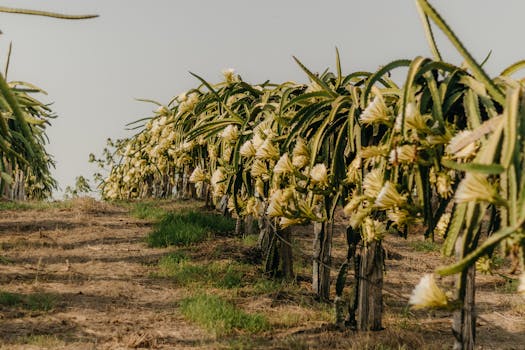
Diurnal temperature variations are more pronounced than seasonal changes. This means that the temperature fluctuates more from day to night than it does from one part of the year to another. The consistent climate makes the equatorial region a predictable and stable environment for its inhabitants.
However, global warming poses a significant threat to this stability. Increasing temperatures can lead to a host of environmental issues, including species extinction and habitat loss.
Flora of the equatorial climate
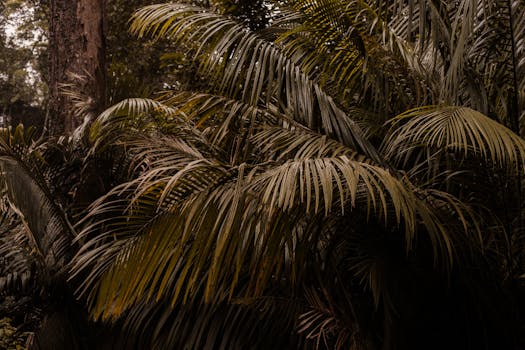
- Dense rainforests with towering canopy trees
- Understory vegetation thriving in the lower light conditions
- Mangroves that line coastal areas, providing crucial buffers against erosion
- Commercially valuable crops such as cacao and bananas, which are native to these regions
The flora of the equatorial climate is not just ecologically significant but also economically important. Many of the goods we consume daily originate from plants that are native to these rich habitats.
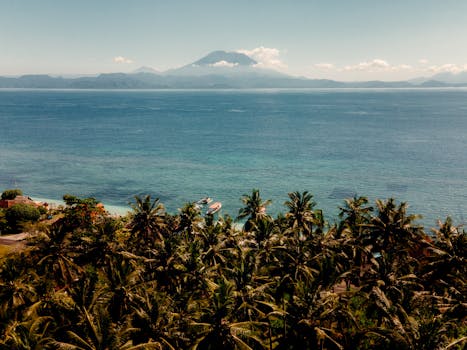
Fauna of the equatorial climate
The equatorial climate supports a wide array of wildlife, including iconic fauna such as:
- Primates like gorillas and chimpanzees, which rely on the dense forests for habitat
- Large felines such as jaguars and leopards, apex predators within these ecosystems
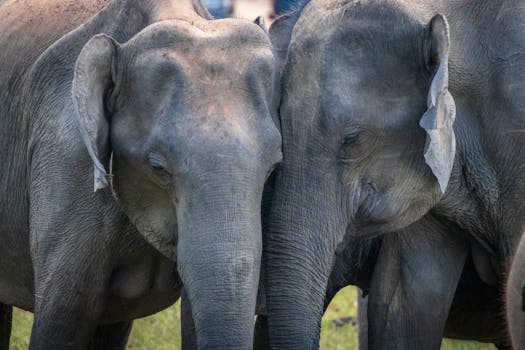
- Elephants, which play a critical role in shaping the landscape and dispersing seeds
- Aquatic species like crocodiles, which can be found in the numerous waterways
These animals are adapted to life in a high-moisture, warm environment and contribute to the complex ecological interactions that make equatorial regions so unique.
Equatorial climate precipitation
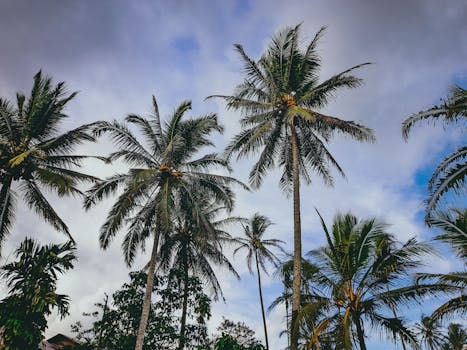
Precipitation in the equatorial climate is not just abundant but also quite predictable. It occurs throughout the year, often in the form of short, intense showers that can lead to rapid runoff and erosion if not managed correctly.
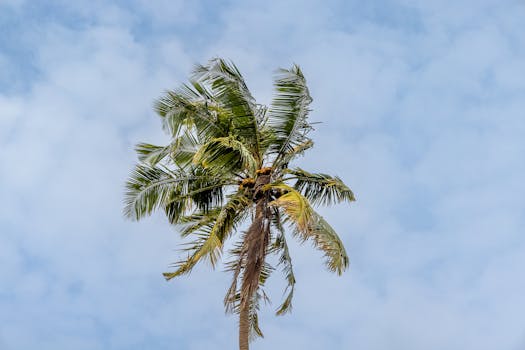
Despite the high rainfall, deforestation and climate change are causing areas that were once wet to experience drought. This change in water availability can have drastic effects on the local ecosystems and human populations that rely on these water sources for survival.
It’s important to note that while the equatorial regions are wet, not all areas receive the same amount of rainfall. Variations can occur due to factors such as topography and proximity to the coast.
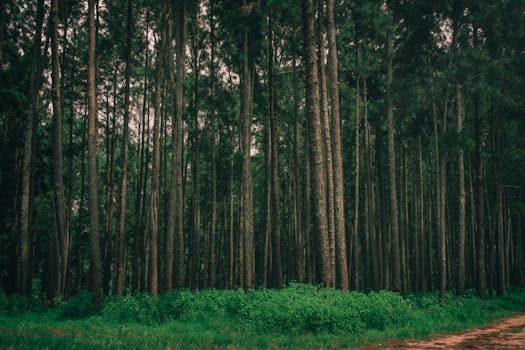
Flora and fauna of the equatorial climate
The combined diversity of the flora and fauna of the equatorial climate is unmatched by any other region on Earth. The flora, with its various layers of vegetation, provides countless niches for animal species to exploit.
Unfortunately, this incredible biodiversity is under threat. Deforestation, illegal wildlife trade, and climate change are all factors that put the unique ecosystems of the equatorial climate at risk. The survival of these habitats is crucial for the continued existence of the species that call them home and for the ecological services they provide to the planet as a whole.
Conservation efforts are essential to preserve these environments. By protecting the equatorial climate, we safeguard a vital part of our world’s natural heritage and the countless species that depend on it.
Related questions about the equatorial climate
How is the equatorial climate?
The equatorial climate, also known as the rainforest climate, is characterized by high humidity, high temperatures, and significant precipitation throughout the year. The weather is typically hot and wet, which supports the growth of dense forests and a wide variety of plant and animal life.
Due to its proximity to the equator, there is minimal seasonal variation. Instead, the climate is defined more by a consistent pattern of rainfall and warmth, leading to a lush and vibrant ecosystem.
What is the climate like in the equatorial zone?
In the equatorial zone, the climate is warm and moist year-round. Days often begin clear, with cloud build-up leading to afternoon rains. The stable temperatures and frequent rain support the growth of the world’s most extensive tropical rainforests.

Animals and plants in this region have adapted to the high levels of precipitation and warmth, making them unique to these habitats.
What is the equatorial climate in America?
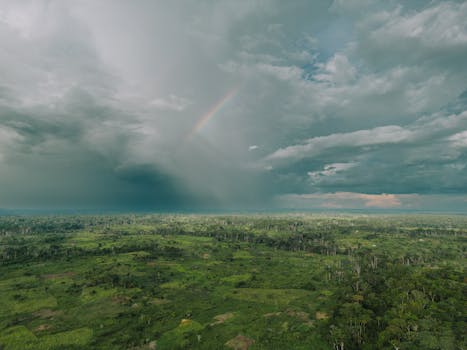
The equatorial climate in America is found in the Amazon basin, which spans several countries, including Brazil, Peru, and Colombia. This region experiences similar climatic conditions to other equatorial zones, with abundant rainfall and consistent temperatures that foster a biodiverse rainforest ecosystem.

The Amazon rainforest is not only the largest rainforest in the world but also plays a crucial role in carbon dioxide absorption, making it an essential component in the fight against climate change.
What type of climate is equatorial?
Equatorial climate is a type of tropical climate characterized by consistent high temperatures and abundant rainfall throughout the year. It supports some of Earth’s most biodiverse regions, including tropical rainforests, where the interaction between flora and fauna creates complex and thriving ecosystems.
This climate type is essential for the health of our planet, providing oxygen production, climate regulation, and acting as a habitat for countless species.