
Equinos, a term deeply rooted in equestrian culture and veterinary science, summons images of majestic horses and their kin. This keyword holds a wealth of knowledge and significance, bridging the gap between animal enthusiasts and professionals in various fields. The exploration of equinos not only leads to a better understanding of these noble creatures but also connects us to diverse aspects of sports, medicine, and language.
How is equino related to horses?
When discussing equinos, it is essential to recognize their close relation to horses. The term itself is often synonymous with equine, referring to members of the horse family. Exploring this connection opens a window into the vast world of equestrian sports, where equinos play a pivotal role. From the thundering hooves of thoroughbreds on a racetrack to the disciplined grace of dressage, equinos are the heart of these passionate pursuits.
In veterinary contexts, equinos are central to discussions of health, treatment, and care. Veterinary professionals use the term to categorize conditions, anatomy, and therapies specific to horses, donkeys, and zebras. Understanding the meaning of equinos in these settings is crucial for providing optimal care and maintaining the well-being of these treasured animals.

Beyond the realm of sports, equinos are integral to various cultures and lifestyles, serving roles in agriculture, entertainment, and therapy. Their significance in human history and development is undeniable, with each breed possessing unique traits that cater to different human needs.
What is the medical meaning of equino?
The medical meaning of equino pertains to a specific condition affecting the posture and gait of an individual, most notably characterized by limited ability to extend the ankle. In the context of equinos and their health, various medical terms detail conditions unique to these animals. For instance, professionals in equine medicine may refer to “equino” when describing a horse exhibiting signs of this distinctive stance.

These medical insights are essential for diagnosing and treating equine ailments, emphasizing the need for specialized knowledge among veterinarians. Through continued research and advancements in veterinary medicine, professionals are better equipped to care for equinos, ensuring their longevity and quality of life.

Such medical terminology illustrates the complexity of caring for equinos, as each condition requires a nuanced approach. From preventative measures to surgical interventions, the medical meaning of equino is a reminder of the careful attention necessary for these animals’ health.
What are the different equidae species?
The Equidae family encompasses an array of species, each with distinctive characteristics and historical significance. The domesticated horse is perhaps the most recognized member, but the family also includes other notable species such as zebras and donkeys.
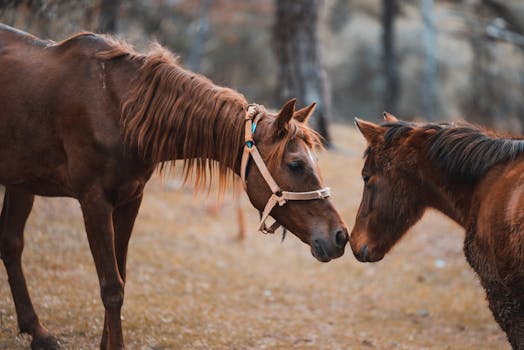
Understanding the different species within the equidae family is crucial for conservation efforts and biodiversity. Each species plays a unique role in its natural habitat, contributing to ecological balance and offering insights into evolutionary biology.
Equinos, as members of the Equidae family, demonstrate the diversity of this animal group. Their varied adaptations and behaviors are a testament to nature’s complexity, drawing interest from biologists and equine enthusiasts alike.
What animals are part of the horse family?
The horse family, or Equidae, is a group of hoofed mammals known for their strength, speed, and intelligence. It comprises not only the domestic horse but also their wild counterparts, zebras, and multiple species of wild asses and donkeys. Each of these animals shares common ancestry, characterized by long legs, a strong back, and an impressive sense of balance and coordination.
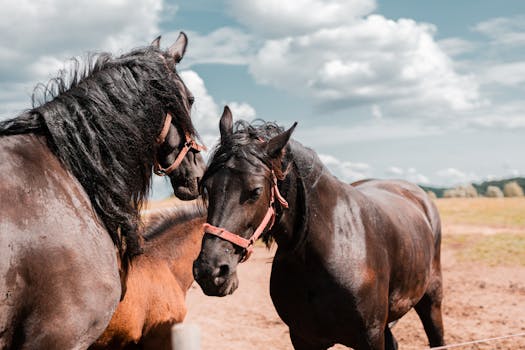
Exploring the species within the horse family offers a glimpse into the intricate tapestry of equine evolution. Conservation of these species is of paramount importance, as many face threats from loss of habitat, poaching, and conflicts with human interests.
In addition to their ecological roles, equinos of the horse family have been invaluable to human progress, serving as companions in work, war, and leisure activities. The bond between humans and these equines is deeply interwoven with our history and culture.

What does equino mean in Spanish?
In Spanish, “equino” directly translates to “equine,” referring to anything of or related to horses. The term holds special relevance in linguistic contexts, as it anchors the language’s equestrian vocabulary. For those learning Spanish or working in translation, comprehending the term equino is essential for accurate and culturally appropriate communication.
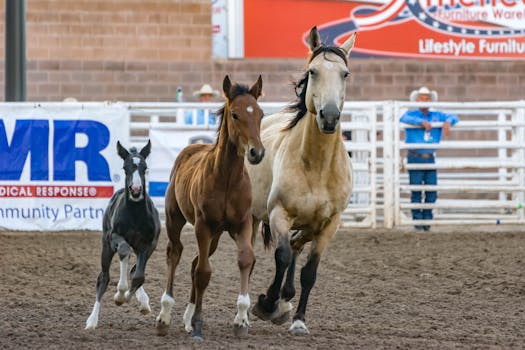
Language learners might encounter “equino” in various settings, from literary descriptions of landscapes dotted with horses to technical discussions on animal husbandry. It serves as a bridge between language and the rich tradition of horse culture in Spanish-speaking countries.
Analyzing equinos in language learning and translation underscores the importance of context and cultural nuance. Words like equino carry with them not just definitions but stories and traditions of the people who use them.

Related questions about equinos
Table of Contents
What is the meaning of Equino?
The meaning of Equino is intrinsically linked to the world of horses and their relatives. In the broadest sense, it encompasses all that pertains to these graceful creatures. Equino signifies characteristics, behaviors, and attributes unique to the horse family, serving as a categorical term for all things equine.
In specialized fields like veterinary medicine, equino can reference specific anatomical features or health conditions. It’s a term that encapsulates the essence of horses and their significant role in both ecological systems and human societies throughout history.
What animals are equine?
Equine animals include a range of species within the Equidae family. The domestic horse is the most widely recognized, but others such as zebras, donkeys, and various wild horse species are also considered equine. These animals share common traits, including their hoofed feet, distinct dental patterns, and a strong, muscular build.

Recognizing the variety of equine animals is crucial for understanding the full scope of the term equinos. Each equine species contributes to the overall biodiversity and plays a role in its respective ecosystem.
What animals count as equine?
Equine is a term that refers to animals belonging to the family Equidae, which counts horses, donkeys, and zebras among its members. These animals are recognized for their hoofed feet and strong, agile bodies designed for running and navigating various terrains.

Equine animals are synonymous with endurance and freedom, often depicted in art and literature as symbols of these qualities. They count among some of the most respected and admired animals in the natural world.

What defines equine?
Equine is defined by a set of physical and behavioral characteristics that are typical of the Equidae family. These include a well-developed sense of balance, a single-toed hoof, and a digestive system adapted to a diet of grasses and other vegetation.
The equine’s unique anatomy, including its powerful limbs and ability to sleep both standing and lying down, is tailored to a life of grazing and flight from predators. The intelligence and sociability of equine animals also play a part in their definition, as these traits foster strong bonds within herds and with human caretakers.
In conclusion, the exploration of equinos broadens our understanding of the equine family and their significant role in various aspects of life. From the thunderous applause at equestrian events to the silent grazing on a serene pasture, equinos captivate our imaginations and enrich our lives. As we delve deeper into their world, we uncover the intricate connections between these magnificent animals and our own history, culture, and scientific endeavors.