
Delicate and vibrant, freesias are cherished for their zesty fragrance and a spectrum of colorful blooms. Native to South Africa, these blossoming beauties offer an aesthetic appeal to gardens and homes, making them a popular choice for flower enthusiasts.
Whether you’re an experienced gardener or just beginning to cultivate your green thumb, understanding the essentials of planting and nurturing freesias can turn your space into a fragrant floral haven. Let’s delve into the world of freesias and learn how to make them thrive.

Table of Contents
Your guide to planning, planting, and growing freesias
Freesias are best planted in the fall, as they require a period of dormancy before sprouting in the spring. This timing ensures the development of robust blooms and a hardy plant structure. The key to successful freesia cultivation lies in soil preparation, providing well-drained, fertile earth, rich in organic matter.
When planting freesia bulbs, it’s crucial to position them correctly. The pointy end should face upwards, buried about 2 inches deep and spaced about 2-3 inches apart. This spacing allows freesias ample room to grow without overcrowding.

Ideal growing conditions include direct sunlight or partial shade, which fosters vibrant colors and optimal growth. Freesias also thrive in USDA zones 9-10, although they can be grown indoors in cooler climates.

Regular watering is essential, especially during the flowering period. However, be wary of overwatering, as this can lead to bulb rot. Implementing a balanced fertilization regimen can also boost the growth and health of your freesias.
Staking may be necessary for freesias, as their slender stems can sometimes struggle to support the weight of the flowers. Gentle support will keep the stems upright and prevent any damage to the plant.

Consejos para el cultivo de fresias
- Plant freesias in a location that receives ample sunlight or light shade to encourage strong blooms.
- Maintain cool temperatures, as freesias prefer a cooler climate to develop their signature fragrance.
- Water deeply but infrequently, ensuring the soil stays moist but not waterlogged to prevent bulb rot.
- Utilize a high-potassium fertilizer to encourage vibrant blooms and overall plant health.
- After blooming, allow the foliage to die back naturally to help the plant store energy for the next season.
Variedades de fresias para plantar
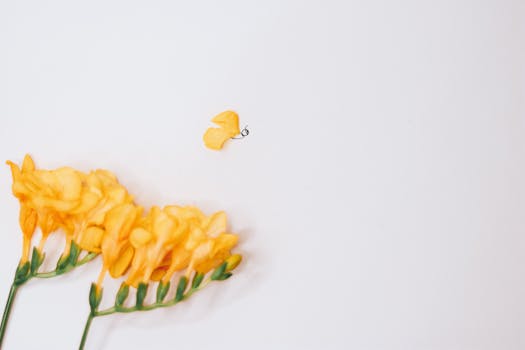
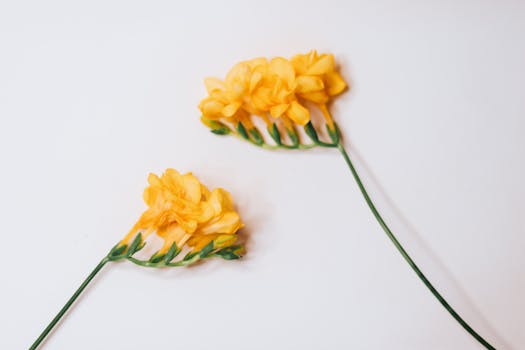
Many varieties of freesias are available, each with its unique charm. The classic Freesia refracta boasts white or yellow blooms, while hybrids can range in color from pink, red, blue, and even multi-colored varieties. Freesias are also known for their patterned petals, which can add a touch of intrigue to any garden.
For those seeking a bold statement, the double-flowered freesias provide an elegant flair with their full-bodied blossoms. The single-flowered varieties, on the other hand, offer a more subtle beauty with their delicate and intricate design.
When selecting freesia varieties, consider the desired color scheme of your garden or floral arrangements. You can also mix and match to create a diverse and visually appealing display.
Mejores condiciones para fresias
For optimal growth, freesias require a delicate balance of conditions. They prefer full sunlight but can tolerate partial shade, which can be particularly beneficial in hotter climates. The soil should be rich and well-draining, with a slightly acidic to neutral pH.
It’s important to protect freesias from strong winds, which can damage their tall, slender stems. Choose a sheltered spot or provide support if needed. Additionally, freesias benefit from a cooler temperature range, between 50-60 degrees Fahrenheit, to encourage proper blooming.
In warmer regions, freesias can be planted directly in the ground. However, in cooler areas, they are best grown in containers or pots, which can be moved indoors to protect them from frost.

While freesias are perennials, in colder zones, they may be treated as annuals unless the corms are dug up and stored for the winter. This process ensures the survival of the bulbs for replanting the following season.
Cuidados de las flores de fresias
Freesias are relatively low-maintenance but do require some care to flourish. Regular deadheading of spent flowers will encourage further blooming and maintain a tidy appearance. It’s also essential to monitor for pests and diseases, such as aphids and thrips, which can be controlled with appropriate treatments.

After the blooming season ends, allow the plant to continue growing until the foliage begins to yellow. This period allows the freesia to store nutrients for the next season. Once the foliage has died back, it can be removed, and the corms lifted if needed.
For those living in colder climates, storing freesia corms over the winter is crucial. Corms should be cleaned, dried, and stored in a cool, dry place until they can be replanted. This storage ensures that your freesia plants can return year after year, gracing your garden with their beauty.
Finally, freesias make excellent cut flowers for arrangements. They can last up to three weeks in a vase, providing a long-lasting burst of color and fragrance to any room.
Preguntas relacionadas sobre el cultivo y cuidado de freesias
What month do you plant freesia bulbs?
The ideal time to plant freesia bulbs is in the fall, particularly in September or October. This allows the bulbs to establish roots before the winter and ensures a vibrant display of flowers in the spring.
For gardeners in warmer climates, planting can occur as late as December. However, it’s essential to ensure that the bulbs are in the ground before any danger of frost, as freesias are sensitive to cold temperatures.
What does freesia smell like?
The scent of freesia is often described as fresh, sweet, and peppery, with a hint of citrus. This delightful fragrance is one of the main reasons freesias are cherished in gardens and floral arrangements.
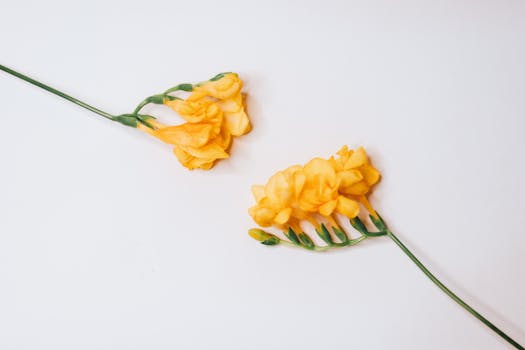
Each variety of freesia has a slightly different scent, with some offering more intense fragrances than others. The classic white and yellow freesias typically have the strongest aroma.
Do freesias come back every year?
Freesias are perennial plants, meaning they can return year after year. However, their ability to re-bloom depends on the climate and care they receive.

In zones 9-10, freesias can be left in the ground and will generally reappear each spring. In colder regions, the corms should be dug up, stored, and replanted each year to ensure their survival.
Is it fresia or freesia?
The correct spelling is freesia, named after the German physician and botanist, Friedrich Freese. This spelling is widely accepted in horticultural circles and is used to describe this fragrant and colorful genus of flowers.

Here is a helpful video demonstrating the planting process for freesia bulbs:
Understanding the nuances of freesia care will help you enjoy these delightful flowers to their fullest potential. By following the guidance provided, you can cultivate a thriving garden or indoor space filled with the sweet aroma and vivid colors of freesias.

This is such a great guide for anyone looking to add some color and fragrance to their garden with freesias! I love how you broke down the planting and care process into easy steps. The tips on soil preparation and watering are super helpful, especially for a newbie gardener like me. Can’t wait to try growing these beauties and see my garden transform into a vibrant, fragrant haven! Thanks for sharing such detailed insights!