The Murcielago Gigante is a term that evokes the mystery and grandeur of the animal kingdom. While bats are common creatures of the night, the giant bat stands apart with its impressive size and unique characteristics. These creatures are not just fascinating biological specimens but are also vital to the health of their ecosystems.
Inhabiting tropical and subtropical regions across the globe, the giant bat has drawn the attention of researchers and wildlife enthusiasts alike. Their significant role in pollination and seed dispersal makes them crucial to the biodiversity of their habitats. With the ongoing threats of habitat destruction and hunting, understanding and conserving this species is more important than ever.
Table of Contents
- What is a Murcielago Gigante?
- Where does the Murcielago Gigante live?
- What is the size of the Murcielago Gigante?
- How does the Murcielago Gigante compare to other bats?
- What are the unique features of the Murcielago Gigante?
- What is the diet of the Murcielago Gigante?
- What do we know about the prehistoric Murcielago Gigante?
- Main threats to the Murcielago Gigante
- Lifespan and social behavior
- Reproduction cycle of the Murcielago Gigante
What is a Murcielago Gigante?
Giant bats, known as Murcielago Gigante in Spanish, represent the larger species within the bat family. These nocturnal animals are characterized by their substantial wingspans and fruit-based diet. Contrary to common myths, they are not only harmless to humans but are also essential contributors to their environments.
Found in diverse regions from the dense forests of South America to the islands of Southeast Asia, the giant bat performs key ecological roles. As pollinators and seed dispersers, they help maintain the health and propagation of plant species, which in turn supports countless other wildlife.

Giant bats showcase a variety of unique features that distinguish them from their smaller relatives, including their echolocation abilities and social behaviors. These features have been shaped by evolutionary pressures, allowing them to thrive in their specific niches.
Where does the Murcielago Gigante live?
The habitat of the Murcielago Gigante is as impressive as the creature itself. These bats prefer tropical climates where they can find ample food sources and roosting spots. The dense canopy of rainforests provides the perfect backdrop for their nightly activities.

Despite their adaptability to various environments, giant bats are increasingly facing habitat loss due to deforestation and urban development. This loss threatens their survival, making conservation efforts all the more critical.

By understanding the regions these bats call home and the challenges they face, conservationists can better protect them. Preserving large tracts of forests and ensuring the availability of fruit trees is key to sustaining giant bat populations.
What is the size of the Murcielago Gigante?
When it comes to size, the Murcielago Gigante is truly awe-inspiring. They can reach wingspans of up to several feet, making them some of the largest bat species in the world. This impressive wingspan allows them to glide effortlessly through the night sky.

The size of these bats not only enables them to cover large distances in search of food but also plays a role in their mating displays and thermoregulation. The vast wings are also a defense mechanism, as they can envelop their bodies to protect against predators and the elements.
While their size may be intimidating to some, it’s important to understand that these bats are gentle giants. They pose no threat to humans and instead contribute significantly to the environments they inhabit.

How does the Murcielago Gigante compare to other bats?
When compared to their smaller bat cousins, giant bats are easily recognizable by their size. However, they also differ in their diet and behavior. Most giant bats are fruit bats, feasting on a variety of fruits and nectars, whereas smaller bats may consume insects or, less commonly, small vertebrates.
Their social structures are also a point of interest, with many giant bat species forming large, complex colonies that can number in the thousands. This social way of living contributes to their survival, offering protection and opportunities for mating.
In terms of conservation status, many giant bat species are considered endangered or vulnerable due to the specific threats they face. Efforts to protect them often require international cooperation and the involvement of local communities.
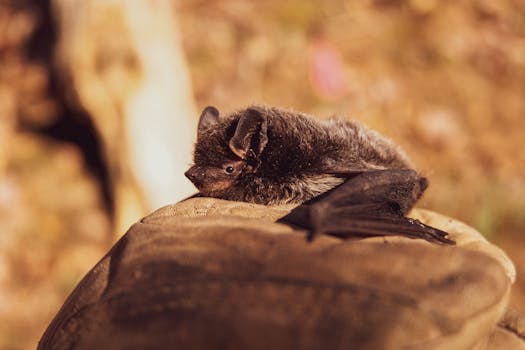
What are the unique features of the Murcielago Gigante?
One of the most notable characteristics of giant bats is their sophisticated echolocation system. While not all species have this ability, those that do use it to navigate and hunt for food in the dark. This is a critical adaptation for nocturnal animals like bats.
Another distinctive feature is their longevity. Bats, in general, are known for their surprisingly long lifespans, and giant bats are no exception. Some species can live for decades, which is exceptional for mammals of their size.

Giant bats also possess keen senses that aid in their nocturnal lifestyle. Their eyes are adapted to low light conditions, and their sense of smell is crucial for locating ripe fruits, their primary food source.
What is the diet of the Murcielago Gigante?
The diet of the Murcielago Gigante is predominantly fruit-based. They play a fundamental role in their ecosystems by acting as pollinators and seed dispersers for a wide variety of plants.

As they travel from tree to tree, they inadvertently carry pollen on their bodies, fertilizing other plants. Additionally, the seeds of the fruits they consume are often passed through their digestive system unharmed and are deposited in new locations, facilitating the spread of plant species.
This diet not only sustains the bats but also contributes to the health and diversity of their habitats. The loss of giant bats could have a domino effect on the ecosystems they inhabit, highlighting the importance of their survival.

What do we know about the prehistoric Murcielago Gigante?
The prehistoric ancestors of today’s giant bats were even more impressive in size and scope. Fossil records show that these ancient creatures had wingspans that could rival those of some modern-day birds of prey.
These prehistoric bats were part of a rich and diverse ecosystem, interacting with other flora and fauna of the time. Their existence gives us valuable insights into the evolution of bats and their adaptation to changing environments over millions of years.

The study of these prehistoric giants helps us appreciate the resilience and adaptability of the species that have survived to the present day. It also underscores the need to protect the remaining giant bats so that they do not follow their ancestors into extinction.
As we delve into the majestic presence of the Murcielago Gigante, let’s explore a glimpse of their natural behavior through a multimedia lens.

Main threats to the Murcielago Gigante
- Habitat destruction due to deforestation and urban expansion.
- Hunting for food and traditional medicine, particularly in some regions.
- Pollution, which can contaminate their food sources and roosting sites.
- Climate change, which can alter their habitats and food availability.
Lifespan and social behavior
Giant bats enjoy a relatively long life, often living up to 20 years or more in the wild. Their social structures are complex, with colonies forming intricate networks of interaction.
Their social behavior includes communal roosting, where many individuals gather to sleep during the day. Such gatherings provide safety in numbers and facilitate communication and mating.
Within these colonies, social hierarchies and roles are established, which can influence mating success and access to resources. Understanding these dynamics is essential for conservationists seeking to protect these bats.

Reproduction cycle of the Murcielago Gigante
The reproductive cycle of giant bats is a fascinating process. They typically have one offspring per year, with a gestation period that can last several months. After birth, the young are extremely dependent on their mothers for sustenance and protection.
Weaning can take several months, during which the young learn to fly and forage under the watchful guidance of their mothers. This period is critical for the survival of the offspring and the future of the species.
The success of the reproductive cycle is heavily influenced by the availability of food and safe roosting sites. Conservation efforts often focus on ensuring these essential resources are available to support healthy bat populations.

Finally, let’s take another visual journey to witness the unique features and behavior of the giant bat in its habitat.
Understanding the Murcielago Gigante is not just about appreciating these nocturnal animals, but also recognizing their critical role in maintaining the balance of our ecosystems. Through dedicated research and conservation, we can ensure that these giants of the night sky continue to soar for generations to come.