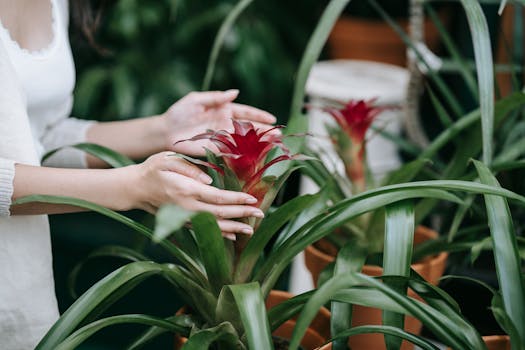
Guzmania lingulata, more commonly known as the Scarlet Star, is a captivating tropical bromeliad that brings a burst of color and tropical flair to any indoor space. Native to the rainforests of Central and South America, this epiphytic plant has become a favorite among houseplant enthusiasts for its striking bracts and ease of care. Despite its exotic appearance, it is surprisingly low-maintenance, making it a superb choice for both novice and experienced gardeners.
Table of Contents
How to care for Guzmania Lingulata indoors
Caring for Guzmania Lingulata indoors begins with understanding its natural habitat. In the wild, it thrives under the canopy of the rainforest, which provides bright, filtered light. To replicate these conditions, place your Guzmania where it can receive indirect sunlight. Too much direct sunlight can scorch its leaves, while too little can impede its growth.
Temperature and humidity are also crucial for keeping your Guzmania Lingulata healthy. These plants prefer warmer temperatures, ideally between 60-80°F (16-27°C). As tropical plants, they thrive in high humidity environments. If your home is dry, consider using a humidifier or placing the plant on a pebble tray filled with water to increase the surrounding moisture.
When it comes to soil, choose an orchid potting mix or a well-draining soil blend designed for epiphytes. These mixes prevent water from accumulating at the roots, which can lead to rot. With the right environment, your Guzmania Lingulata will flourish, showcasing its vibrant colors and unique structure.
What is the common name for Guzmania Lingulata?
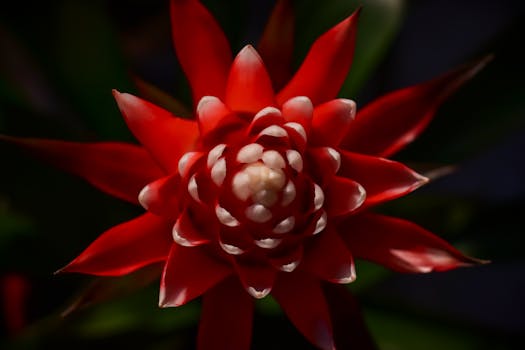
The Scarlet Star is the common name for Guzmania Lingulata, aptly named for the striking star-shaped arrangement of its bright red or orange bracts. These bracts are often mistaken for flowers, but they actually serve to attract pollinators to the small white flowers nestled within. The dazzling color and shape of the Scarlet Star make it a standout among other houseplants.
What is the life cycle of Guzmania Lingulata?
Guzmania Lingulata is monocarpic, meaning it flowers once and then the parent plant begins to decline. However, before it dies, it produces offsets, commonly known as “pups.” These pups can be separated from the parent plant and potted individually, ensuring a continual cycle of growth and flowering within your collection.
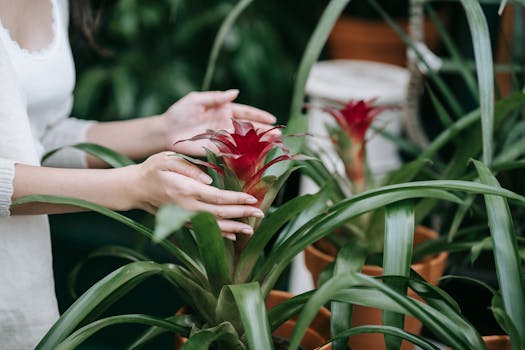
The flowering process can take several years, and once it begins, the plant will display its vibrant bracts for several months. After this, you can expect the pups to start developing at the base of the plant. With proper care, these new plants will mature and eventually flower, continuing the lineage of your Guzmania Lingulata.
How to propagate Guzmania Lingulata?
Propagating Guzmania Lingulata is a straightforward process. Once the pups are about one-third the size of the parent plant and have their own roots, they can be gently removed. Use a clean, sharp knife to separate them from the mother plant, ensuring not to damage the roots.
- Plant each pup in its own pot filled with the appropriate soil mix.
- Water sparingly at first, allowing the pup to establish itself.
- Provide bright, indirect light and maintain high humidity to replicate their natural growth conditions.
In time, these pups will grow, mature, and eventually bloom, creating a new generation of Scarlet Stars for you to enjoy.
Where to buy Guzmania Lingulata?
Scarlet Stars are widely available and can be purchased from local garden centers, nurseries, or online plant shops. When shopping for a Guzmania Lingulata, look for a plant with vibrant, healthy bracts and green leaves. Avoid any plants with signs of damage, disease, or pest infestation. Before purchasing, ensure the seller is reputable and offers quality plants.
How to water Guzmania Lingulata properly?
Watering Guzmania Lingulata correctly is key to its health and longevity. These bromeliads have a central tank, formed by the rosette of leaves, which in nature, would collect rainwater. Mimic this by filling the tank with water, and emptying it to refresh the supply every few weeks to prevent stagnation and potential rot.
Additionally, water the soil only when the top inch feels dry to the touch to prevent overwatering. The plant’s roots should never be left sitting in water. Using lukewarm, distilled, or rainwater can help avoid the buildup of mineral salts that can harm the plant.
Related questions about Guzmania Lingulata care
How do you care for Guzmania Lingulata?
To care for Guzmania Lingulata, ensure it has bright, indirect light, high humidity, and warm temperatures. Water the central tank rather than the soil, and use a well-draining potting mix. Avoid sudden temperature changes and fertilize sparingly with a bromeliad-specific fertilizer.
What to do when a Guzmania flower dies?
When a Guzmania flower dies, it’s best to remove the spent bracts to prevent decay and to focus the plant’s energy on producing pups. Trim the dead material with clean shears and continue caring for the plant as normal, watching for the development of new offsets at the base.
How often do you water Guzmania?
Water Guzmania Lingulata by filling the central tank every 1-2 weeks, depending on the humidity and temperature. Allow the tank to empty and refill with fresh water to prevent bacterial growth. The soil should be watered only when dry and never allowed to become waterlogged.
Is Guzmania an indoor plant?
Yes, Guzmania is commonly kept as an indoor plant due to its preference for warm, humid conditions that are easier to maintain inside homes. Its adaptability to indoor lighting conditions makes it an ideal houseplant.
The dazzling Guzmania Lingulata, with its easy-care nature and stunning visual appeal, is a must-have for any indoor garden. By following these care tips and understanding its life cycle and propagation methods, you can enjoy the beauty and tropical essence of the Scarlet Star in your home.