Volcanoes are some of Earth’s most awe-inspiring natural phenomena, serving as a testament to the raw power and dynamic processes that shape our planet. Understanding how these magnificent structures come into existence not only fascinates us but also aids in mitigating the risks associated with their eruptions.
Table of Contents
- What is a volcano?
- How do volcanoes form?
- What are the parts of a volcano?
- How is lava created in a volcano?
- What are the different types of volcanoes?
- How does a volcano erupt?
- How does a volcano work internally?
- Understanding volcanic formation and activity
- Related questions about the formation and workings of volcanoes
What is a volcano?
Simply put, a volcano is a geological formation that occurs when molten rock, known as magma, breaks through the Earth’s crust. This eruption of magma and the subsequent flow of lava can build up over time, creating the recognizable cone-shaped mountain that many associate with a volcano. The process is complex and involves a delicate interplay between the Earth’s tectonic plates and the molten mantle beneath them.
The role of tectonic plates cannot be overstated when discussing volcanism. These vast plates cover the Earth’s surface and their movement sets the stage for where and how a volcano will form. As these plates drift, collide, and sink, they generate the necessary conditions for magma to form and potentially lead to an eruption.
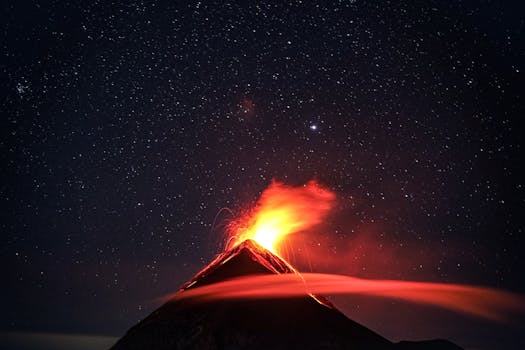
Understanding the fundamental aspects of a volcano assists researchers and geologists in predicting volcanic behavior, which is crucial for the safety of populations living in close proximity to these fiery giants.
How do volcanoes form?
The birth of a volcano is inherently tied to the movement of Earth’s tectonic plates. There are three primary scenarios in which magma can reach the surface and give rise to a volcano: at subduction zones, divergent boundaries, and hotspots.
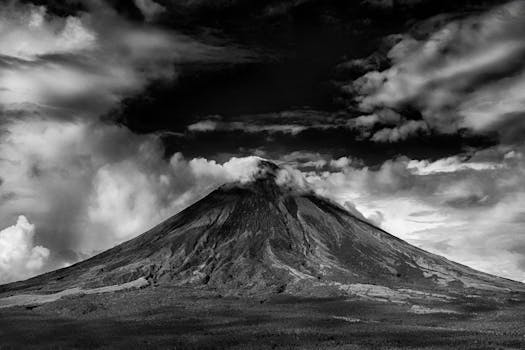
Subduction zones are formed when one plate is forced below another, generating intense heat and pressure that melts rock into magma. This magma can then rise to the surface, often creating a chain of volcanoes, such as those found along the Pacific Ring of Fire.
At divergent boundaries, tectonic plates move apart, creating gaps that allow magma to well up and form new crust. This process is responsible for the creation of mid-ocean ridges and can also lead to volcanic activity on land, such as the rift volcanoes in East Africa.
A hotspot is an area of intense heat within the Earth’s mantle that generates magma. This magma can puncture the crust and create a volcano, often in the middle of a tectonic plate, as seen with the Hawaiian Islands.
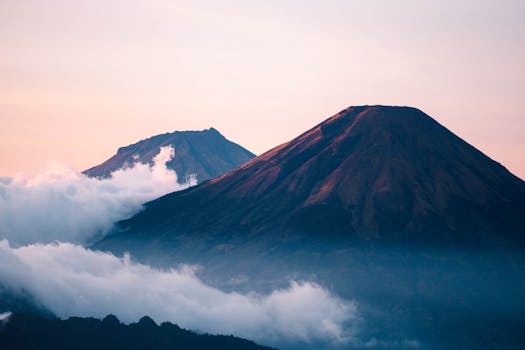
Each of these processes illustrates the dynamic nature of Earth’s geology and the powerful forces at work beneath our feet.
What are the parts of a volcano?
Stratovolcanoes, one of the most common types of volcanoes, have a recognizable anatomy consisting of several key components. The magma chamber serves as a reservoir for the molten rock. Above the chamber is the main vent, through which magma travels during an eruption.
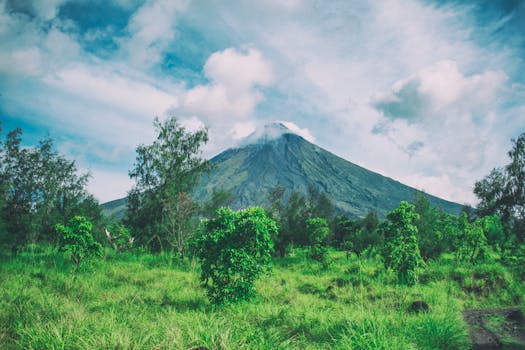
The crater is the bowl-shaped depression at the summit of the volcano, formed by the collapse of land following an eruption. Lava flows are streams of molten rock that pour from the vent, while ash and pyroclastic flows can devastate areas surrounding the volcano with fast-moving clouds of hot gases and debris.
Understanding these features helps in analyzing a volcano’s potential behavior and the risks it poses.
How is lava created in a volcano?
Lava, the red-hot liquid rock that emerges from an erupting volcano, originates deep within the Earth as magma. When tectonic plates move and create openings in the crust, the decrease in pressure allows the magma to rise. As it ascends, gases within the magma expand and escape, propelling the magma through the vent and out of the volcano as lava.
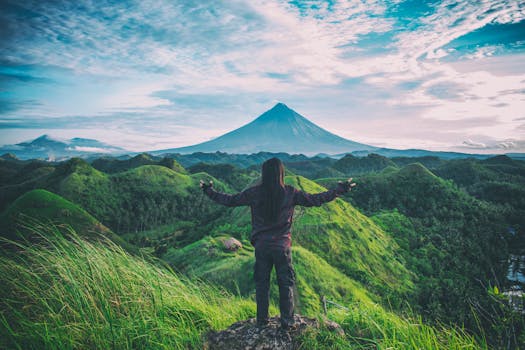
The composition of magma, which can vary between basaltic, andesitic, dacitic, or rhyolitic, influences the type of lava and eruption. These differences in magma composition are related to the tectonic setting and source of the magma.
What are the different types of volcanoes?
Volcanoes come in various shapes and sizes, primarily classified into cinder cones, shield volcanoes, and stratovolcanoes. Cinder cones are the simplest type, formed from particles and blobs of congealed lava ejected from a single vent.
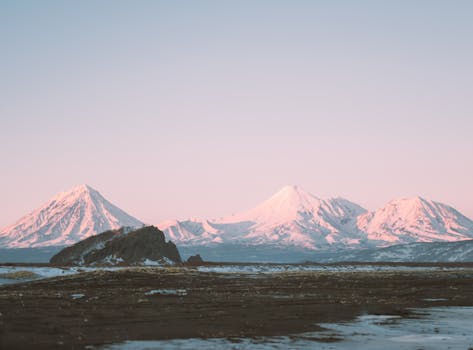
Shield volcanoes, like those in Hawaii, have a broad, dome-like shape due to the low-viscosity lava that flows long distances. Stratovolcanoes, on the other hand, are characterized by their steep profiles and explosive eruptions, resulting from high-viscosity lava that can plug the volcano’s vent between eruptions.
Each type of volcano has a unique pattern of behavior that is closely studied to understand and anticipate future volcanic activity.
How does a volcano erupt?
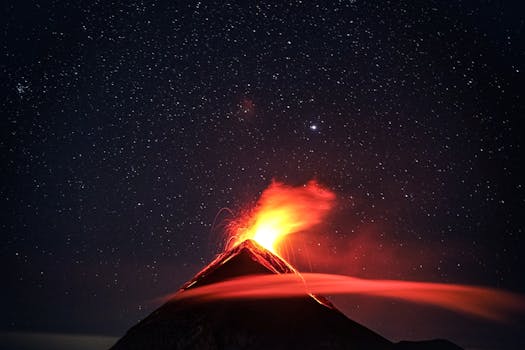
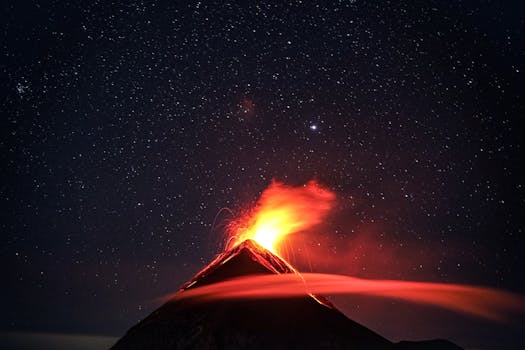
The eruption of a volcano is a dramatic process that can take many forms. As magma rises towards the surface, the reduction in pressure allows gases within the magma to expand. This increase in gas volume can lead to explosive eruptions, spewing lava, ash, and pyroclastic material into the air.
Other eruptions may be less violent. Some allow lava to slowly ooze from the vent, creating extensive lava flows that can reshape landscapes. The type of eruption depends on various factors, including magma composition, temperature, and the presence of water, which can greatly increase the explosive potential.
How does a volcano work internally?
Internally, a volcano is a complex system governed by the interactions between its magma chamber, conduits, and vents. The magma chamber is where magma accumulates, and it is the driving force behind volcanic activity. Conduits are pathways through which magma moves, and vents are the surface openings through which volcanic material is expelled.
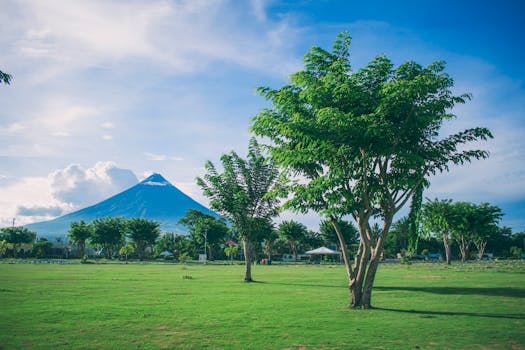
Temperature, pressure, and the presence of different gases within the magma chamber can induce chemical changes that affect the volcano’s eruptive behavior. Additionally, the interaction of magma with groundwater can lead to explosive steam-driven eruptions, further complicating the internal workings of a volcano.
Understanding volcanic formation and activity
The formation and activity of volcanoes are subjects of ongoing research and fascination. By studying volcanic activity, eruption types, and related geological hazards, scientists can gain insights into the Earth’s geology and the processes that drive volcanic eruptions.
Advancements in technology and geology have allowed us to better predict eruptions and develop more effective strategies for managing the risks associated with geological hazards. This ongoing quest for knowledge not only satisfies human curiosity but also plays a crucial role in ensuring the safety and well-being of communities around the world.
Related questions about the formation and workings of volcanoes
How do volcanoes form?
The formation of a volcano is a testament to the dynamic nature of Earth’s crust. Through the movement of tectonic plates, magma is generated and can make its way to the surface, eventually giving rise to a volcanic mountain through repeated eruptions and accumulation of volcanic material.
Understanding this process is vital for geologists as they seek to predict volcanic behavior and assess the potential risks associated with living near these powerful natural features.

What causes volcanoes?
The primary cause of volcanoes is the movement of tectonic plates and the geological activity that occurs at their boundaries. Whether through subduction, where one plate sinks beneath another, or divergence, where plates move apart, the resulting pressure and heat can create the conditions necessary for magma to form.
This process, along with the presence of hotspots, drives the formation of volcanoes and influences their characteristics and eruption patterns.
How long does it take for a volcano to form?
The time it takes for a volcano to form can vary greatly, from tens of thousands to millions of years. Factors such as the rate of magma production, the tectonic setting, and the frequency of eruptions all play a role in determining the growth rate of a volcanic mountain.
Some volcanoes may grow rapidly due to continuous or frequent eruptions, while others may take a much longer geological timeframe to develop.
What are the 3 types of volcanoes?
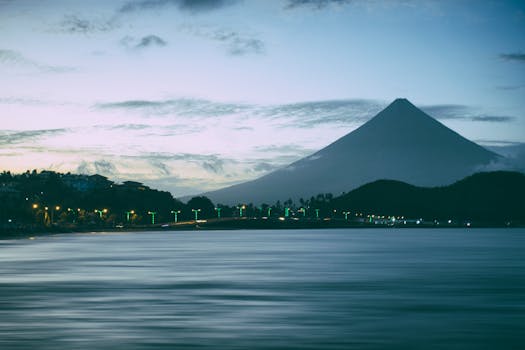
There are three primary types of volcanoes: cinder cones, shield volcanoes, and stratovolcanoes. Cinder cones are the simplest and most common, formed by the accumulation of volcanic debris around a vent. Shield volcanoes are characterized by their gentle slopes and vast size, built up by layers of low-viscosity lava flows. Stratovolcanoes are known for their steep profiles and explosive eruptions, resulting from the buildup of viscous lava, tephra, and volcanic ash.
Each type offers a unique glimpse into the processes that shape our planet and the immense forces at work beneath the Earth’s surface.
In conclusion, the study of volcanoes is a fascinating and crucial aspect of Earth science. By examining the intricate processes that lead to their formation and eruption, we can deepen our understanding of our planet’s geology and take proactive measures to protect those living in the shadows of these powerful natural phenomena.