Discovering the calming power of herbal infusions is a journey into natural wellness, particularly for those grappling with the effects of elevated cortisol levels. In our fast-paced world, stress has become a constant companion, often leading to a surge in this “fight or flight” hormone. While cortisol is necessary for various bodily functions, excessive amounts can wreak havoc on our health. The search for infusiones para bajar el cortisol has become increasingly popular, as people turn to the traditional wisdom of herbal remedies to regain balance and tranquility.
Table of Contents
- The best herbal infusions to lower cortisol
- How herbal infusions help reduce cortisol levels
- Ingredients effective in lowering cortisol
- Best time to drink herbal infusions
- The calming effects of chamomile and valerian
- Incorporating infusions into your daily routine
- Natural remedies for lowering cortisol
- Related questions about herbal infusions and cortisol management
The best herbal infusions to lower cortisol
Among the multitude of natural remedies, certain herbal infusions stand out for their cortisol-lowering potential. Chamomile, renowned for its soothing properties, is a classic choice for evening relaxation. Valerian root, another powerhouse, has been used for centuries to combat insomnia and anxiety. Ashwagandha, an adaptogenic herb, helps the body resist stressors, while green tea offers a gentle lift with the added benefit of L-theanine, which promotes calmness. Each herb offers its own unique benefits, but they share a common thread: the ability to help us unwind and de-stress.
While these infusions are readily available and easy to prepare, it’s essential to understand how to integrate them into your daily routine for maximum benefit. Consistency and timing are key factors. Drinking a cup of chamomile or valerian tea an hour before bedtime can signal your body it’s time to wind down. Conversely, enjoying ashwagandha or green tea earlier in the day can provide sustained stress resistance without disrupting sleep.

The rising interest in natural ways to reduce stress hormones has led to a wider acceptance of these herbal remedies. However, it’s important to consider that while they are natural, they can still interact with medications or may not suit everyone. Consulting with a healthcare professional before adding any new herbal infusion to your regimen is a wise precaution.
How herbal infusions help reduce cortisol levels
Herbal infusions work in various ways to combat high cortisol. Some, like rooibos, are naturally caffeine-free and help reduce stress without the stimulating effects that can exacerbate cortisol production. Others, like rodiola, contain active compounds that help balance the body’s stress response system. The mechanism often involves influencing neurotransmitters that regulate mood and stress levels, contributing to a more balanced hormonal state.
Scientific studies have started to back the anecdotal evidence that has long supported the use of calming herbal teas. For instance, certain compounds in chamomile have been linked to an increase in glycine, a neurotransmitter that relaxes nerves and muscles. Valerian is thought to increase levels of gamma-aminobutyric acid (GABA), a chemical messenger that helps regulate nerve cells and calms anxiety.
These infusions’ benefits extend beyond reducing cortisol; they contribute to overall hormonal balance and wellbeing. By incorporating these teas into your daily routine, you can create moments of tranquility that help keep stress and cortisol in check.
Ingredients effective in lowering cortisol
Identifying the most effective teas for lowering cortisol is key to harnessing the power of herbal remedies. Chamomile, with its mild sedative effect, is a staple for stress relief. Valerian root, often referred to as ‘nature’s Valium,’ is another potent ingredient for those with high cortisol levels. Ashwagandha has gained popularity for its adaptogenic qualities, helping the body adapt to stress and exerting a normalizing effect on bodily processes.

Other noteworthy ingredients include lemon balm (Melissa officinalis), which has a calming effect and can help ease the mind before sleep, and tulsi (holy basil), revered in Ayurvedic medicine for its stress-reducing properties. Each ingredient plays a role in the symphony of natural cortisol reduction and can be tailored to individual needs and preferences.
When selecting herbs, it’s crucial to source high-quality, organic options whenever possible. The purity of the ingredients can significantly affect their potency and the overall therapeutic effect of the infusion.

Best time to drink herbal infusions
Timing is everything when it comes to reaping the benefits of herbal infusions. For stress relief and cortisol reduction, drinking calming teas like chamomile or valerian in the evening can prepare the body for restful sleep. However, some herbs, like green tea, are best consumed earlier due to their mild caffeine content.
Herbal infusions can also be incorporated into a morning routine or taken throughout the day as needed. Adaptogens like ashwagandha are especially suitable for daytime use as they help build resilience to stress without causing drowsiness.
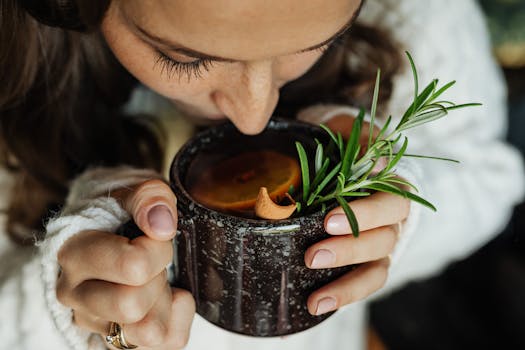
It’s also worth considering the rhythms of your own body and lifestyle. Some may find a midday cup of herbal tea the perfect way to reset, while others might benefit from a morning ritual to start the day grounded and calm.
The calming effects of chamomile and valerian
Chamomile and valerian are two herbs with long histories in herbal medicine, primarily for their calming effects. Chamomile’s gentle sedative properties make it ideal for easing into a peaceful night’s sleep, while valerian’s stronger effects are often used for treating insomnia and anxiety.
These herbs work by enhancing the body’s natural relaxation processes, making them valuable allies in the quest for reduced cortisol levels and better stress management. Regular consumption can lead to significant improvements in sleep quality and an overall sense of calm.

For those new to these herbal remedies, it’s recommended to start with lower doses to see how the body responds. Over time, you can adjust the strength and frequency of the infusions to suit your individual needs.
Incorporating infusions into your daily routine
One of the most effective ways to benefit from herbal infusions for relaxation is to make them a part of your daily routine. This can be as simple as replacing your afternoon coffee with a cup of green tea or setting aside time each evening for a soothing chamomile brew.
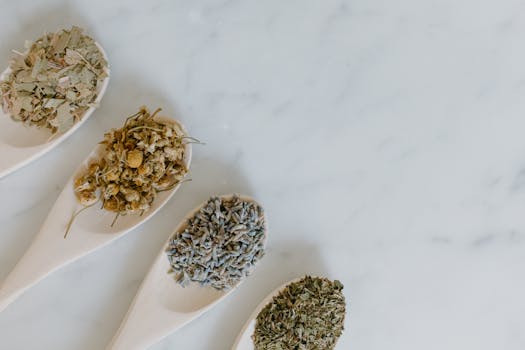
Creating a ritual around your tea drinking can also enhance the relaxing effects. Taking a few moments to prepare your infusion mindfully, enjoying the aromas, and sipping slowly can turn tea time into a meditative practice.
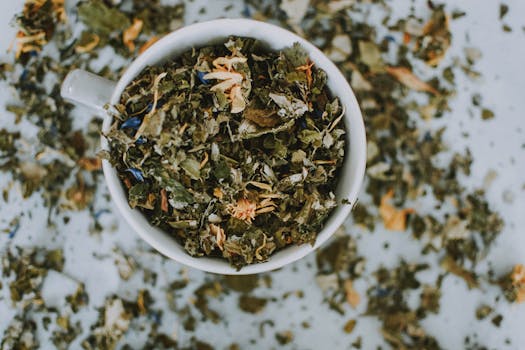
For those with busy schedules, pre-packaged tea bags can offer convenience, while loose-leaf teas provide an opportunity to connect with the process more deeply. Whichever method you choose, consistency is key to experiencing the full stress-reducing benefits of these herbal remedies.
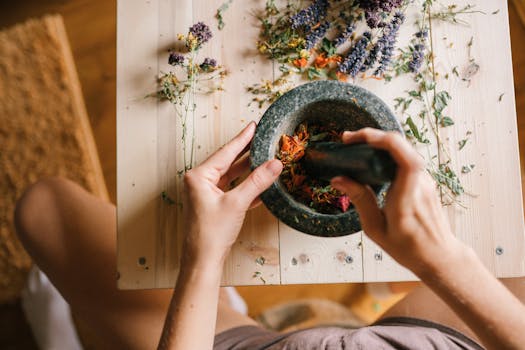
Natural remedies for lowering cortisol
Aside from herbal remedies for cortisol reduction, other natural approaches can complement your stress management strategy. Regular exercise, mindfulness meditation, and a balanced diet all play vital roles in maintaining healthy cortisol levels.
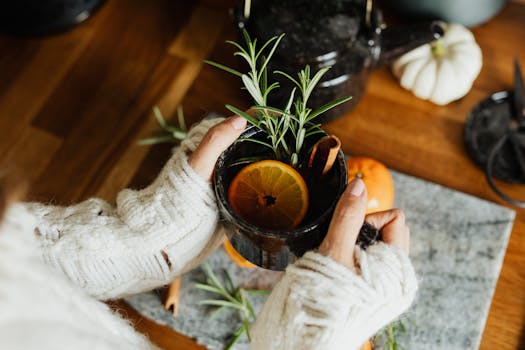
Techniques such as deep breathing exercises, yoga, and spending time in nature are also effective in reducing stress and promoting a sense of well-being. These practices can work synergistically with herbal infusions to create a comprehensive approach to cortisol management.
Remember, while natural remedies can offer significant benefits, they are part of a holistic approach to health. It’s essential to address the root causes of stress in your life and seek professional help if stress and cortisol levels become unmanageable.
Related questions about herbal infusions and cortisol management
What is the best tea for lowering cortisol?
The “best” tea can vary from person to person, but chamomile and green tea are often recommended for their calming properties and potential to lower cortisol. The choice will depend on individual preferences and responses to different herbs.
For those seeking a caffeine-free option, chamomile is an excellent choice, while green tea, with its combination of L-theanine and a small amount of caffeine, offers a balanced effect that can be enjoyed throughout the day.

How to urgently lower cortisol?
In urgent situations, quick-acting stress relief methods like deep breathing exercises or a short walk can help lower cortisol levels. However, for longer-term management, incorporating regular herbal infusion consumption and stress-reduction techniques is advisable.
Valerian root, due to its potent effects, can be particularly helpful when a quick response is needed. However, it’s important to use such powerful herbs with caution and under the guidance of a healthcare professional.

What is the best herb for reducing cortisol?
Ashwagandha is often touted as one of the best herbs for reducing cortisol due to its adaptogenic properties. Adaptogens are known for their ability to help the body cope with stress and can be particularly effective when used consistently over time.
Each herb has its own set of benefits and potential side effects, so the “best” herb will also depend on individual health considerations and lifestyle factors.
How to take chamomile to lower cortisol?
Chamomile can be consumed in the form of tea, typically one to two cups in the evening to promote relaxation and prepare the body for sleep. For those dealing with high cortisol, it’s also possible to take chamomile extract or supplements, though it’s best to consult with a healthcare provider before doing so.
The calming effects of chamomile are attributed to its flavonoids, especially apigenin, which binds to benzodiazepine receptors in the brain, similar to some tranquilizers. This action helps reduce anxiety and promote sleep.
Remember, while herbal infusions can be a valuable part of a stress management regimen, they’re most effective when combined with a healthy lifestyle and proactive stress-reduction strategies. Whether you’re coping with a temporary uptick in stress or seeking long-term solutions for anxiety management, exploring the world of herbal infusions may open the door to a more balanced and serene life.