Japan’s floral heritage is a vibrant tapestry of color, symbolism, and cultural significance. The nation’s reverence for flowers, or “flores japonesas,” is deeply embedded in its history, traditions, and art. Exploring the diversity of these flowers offers a glimpse into the soul of Japanese culture, where each bloom tells a story and embodies the delicate balance of beauty and impermanence.
Table of Contents
- What are the most popular Japanese flowers?
- How does Hanakotoba influence the meaning of Japanese flowers?
- What seasonal flowers are found in Japan and their meanings?
- Which are the most beautiful summer flowers in Japan?
- What is the significance of Ume, the plum blossom?
- How are Japanese flowers depicted in art and culture?
- What are the key cultural practices surrounding Japanese flowers?
- Related questions about the meanings and cultural roles of Japanese flowers
What are the most popular Japanese flowers?
Japan is home to an array of popular flowers that capture the imagination and resonate with symbolic meanings. The sakura, or cherry blossom, is perhaps the most iconic, celebrated for its transient beauty during the springtime. Kiku (chrysanthemums) are revered for their association with longevity and nobility. The ume (plum blossom), often overlooked beside its more famous cousin sakura, heralds the arrival of spring with its sweet fragrance and vibrant hues. Other beloved species include the elegant camellia and the enchanting morning glory, each holding a special place in the nation’s flora.
These flowers are not only admired for their aesthetics but are also imbued with profound meanings within the Japanese tradition.

During certain seasons, festivals celebrate these blooms, with locals and tourists alike flocking to gardens and parks to partake in hanami, the cherished custom of flower viewing.
How does Hanakotoba influence the meaning of Japanese flowers?
Hanakotoba, Japan’s age-old language of flowers, communicates emotions and messages without words. Each flower has its own unique vocabulary, speaking volumes about the giver’s intentions. For instance, sending a camellia could signify admiration, while presenting a white chrysanthemum may express truth or loyal love.
The subtle art of Hanakotoba is woven into the fabric of daily life, from the blossoms selected for a wedding bouquet to the flowers adorning a funeral arrangement. This language extends beyond personal expressions, permeating literature, art, and even the design of traditional kimonos.
Understanding Hanakotoba provides a richer appreciation for the cultural depth of Japanese flowers and their ability to convey complex emotional landscapes.
What seasonal flowers are found in Japan and their meanings?
- Sakura (Cherry Blossom): Symbolizes the beauty of life and its fleeting nature, particularly cherished during spring.
- Ajisai (Hydrangea): Blooms in early summer, often representing gratitude and heartfeltness.
- Kiku (Chrysanthemum): A fall flower, it signifies longevity and rejuvenation.
- Ume (Plum Blossom): Signals the approach of spring and stands for perseverance and hope.
- Tsubaki (Camellia): This winter flower embodies perfect love and is often associated with the divine.
These seasonal flowers punctuate the year with their respective symbols, marking the passage of time in Japan’s rhythmic natural calendar.
Which are the most beautiful summer flowers in Japan?
Summer in Japan is a time of vibrancy and growth, with the countryside and gardens bursting with color. The morning glory, or asagao, is a summer favorite, its delicate tendrils and blooms symbolizing love and a brief life. Lilies, particularly the yuri, are also prominent, representing purity and renewal.
Irises, with their striking shapes and hues, are integral to the early summer landscape, often found adorning ponds and water features in traditional Japanese gardens.
The lotus, emerging pristine from murky waters, is revered in Buddhism for its representation of enlightenment and spiritual purity, dominating the watery scenes during the warmer months.
What is the significance of Ume, the plum blossom?
The ume, or plum blossom, is among the first to signal the end of winter. Its meaning is deeply rooted in resilience and renewal, as it bravely blooms amidst the snow. Its sweet aroma and varied colors are celebrated in many Japanese poems and artworks.
Often confused with the cherry blossom, the ume holds its own festival, called Ume Matsuri, where people gather to admire its early flowering and partake in cultural events that highlight its significance.

As a symbol of protection against evil, the ume’s image is used in various amulets and decorations, underscoring its enduring presence in Japanese folklore and tradition.

How are Japanese flowers depicted in art and culture?
The depiction of flowers in Japanese art is a testament to their aesthetic and symbolic importance. From the intricate paintings on silk kimonos to the minimalist strokes of sumi-e ink paintings, flowers are a recurring motif that captures the transient beauty of nature.
In literature, flowers often accompany haiku and other poetic forms, providing vivid imagery that complements the evocative words. The reverence for blooms like cherry blossoms and chrysanthemums extends to the realm of performing arts, where they adorn the stages of traditional theaters and inspire the movements of classical dance.
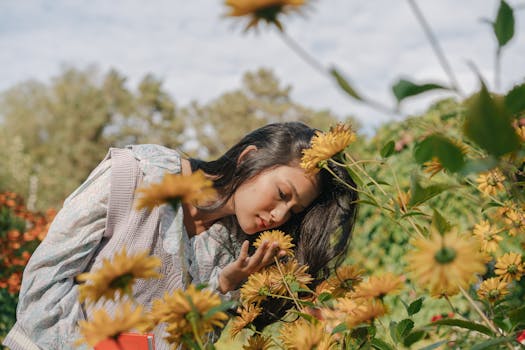
Japanese flowers also hold prominent roles in cultural ceremonies, from tea ceremony arrangements to the floral compositions that mark seasonal festivals.
What are the key cultural practices surrounding Japanese flowers?
In Japan, flowers are much more than mere decorative elements; they are a living art form. Ikebana, the disciplined practice of flower arranging, is a prime example of the meticulous attention and philosophical approach the Japanese take towards floriculture.
Floral festivals, or matsuri, such as the famous Cherry Blossom Festival, invite communal appreciation and celebration of these natural wonders. Hanami, the act of flower viewing, is an iconic custom where people picnic under blooming trees, reveling in the ephemeral beauty of flowers.
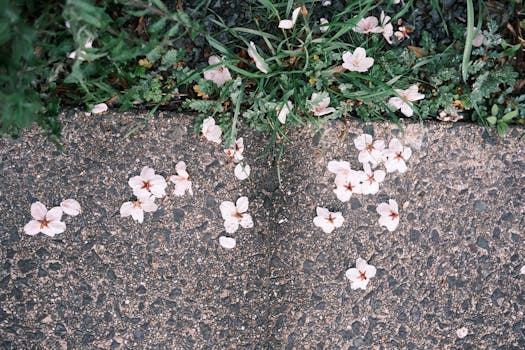
Furthermore, the inclusion of flowers in religious and spiritual rituals underscores their significance, with offerings at shrines and temples, and the use of blossoms to honor ancestors during the Obon festival.
Related questions about the meanings and cultural roles of Japanese flowers
What are the typical flowers of Japan?
The typical flowers of Japan range from the revered sakura, with its springtime magic, to the noble kiku of autumn. The landscape is dotted with a variety of blooms, each marking a different season and bringing with it a distinct cultural resonance.
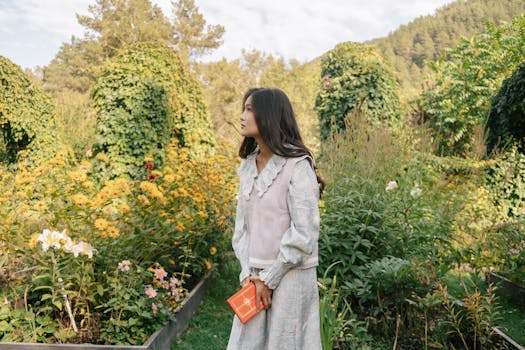
Other representatives include the delicate ume, the regal iris, and the vibrant azalea, all contributing to the nation’s rich floral tapestry.

What does the flower 🌸 symbolize?
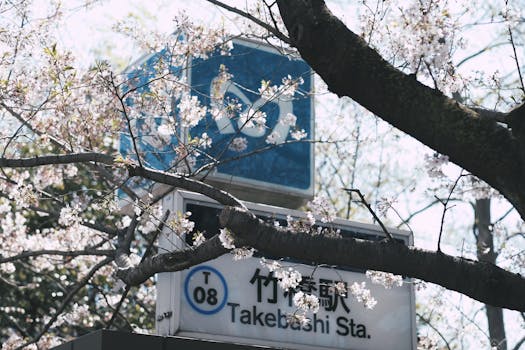
The flower 🌸, often used to represent the cherry blossom, symbolizes the transient nature of life, echoing the Japanese concept of mono no aware—the bittersweet awareness of impermanence. It’s a reminder to cherish the present moment and the fleeting beauty surrounding us.
In a broader sense, the symbol has come to represent spring, renewal, and the delicate balance between beauty and the passage of time.
What are the 10 most beautiful flowers in the world?
While beauty is subjective, some flowers universally admired for their stunning appearance include the rose, renowned for its classic elegance; the exotic orchid, symbolizing luxury and strength; and the lotus, revered for its purity.
Japan’s own sakura and kiku often make such lists, celebrating the diversity of the world’s floral wonders.
What is the name of the Asian flower?
Among the many Asian flowers, the “Asian flower” often refers to the lotus, known for its significance in Eastern religions and cultures. However, each country in Asia celebrates its unique botanical gems, such as Japan’s beloved sakura and kiku.
The term can encompass a wide variety of species, each with its own cultural and spiritual associations.