Kalanchoe thyrsiflora, often referred to as the Paddle Plant or Flapjacks, is a striking succulent with a unique appearance that makes it a favorite among plant enthusiasts. With its broad, paddle-shaped leaves that boast a beautiful red margin, this drought-tolerant plant is a delightful addition to any garden or home.
Native to South Africa, kalanchoe thyrsiflora has adapted to thrive in sunny, arid environments. Its ease of care and low water needs make it an ideal choice for both beginners and experienced gardeners looking to add some greenery to their spaces without the fuss of high-maintenance care.
Table of Contents
- How to care for the kalanchoe thyrsiflora succulent
- What are the optimal soil and fertilizer needs for kalanchoe thyrsiflora?
- When and how should you water your kalanchoe thyrsiflora?
- How to propagate your kalanchoe thyrsiflora?
- What pests and common problems should you watch for?
- What are the light requirements for kalanchoe thyrsiflora?
- How toxic is kalanchoe thyrsiflora to pets and humans?
- Taking care of kalanchoe thyrsiflora and related questions
How to care for the kalanchoe thyrsiflora succulent
Caring for kalanchoe thyrsiflora is relatively straightforward, as this resilient plant doesn’t demand much. To ensure that your Paddle Plant flourishes, it’s essential to provide it with conditions that mimic its natural habitat.
Ample sunlight is crucial for kalanchoe thyrsiflora, as it thrives in bright environments. Place it in a spot where it can bask in several hours of direct light each day. This will not only promote healthy growth but also enhance the vivid colors of its leaves.
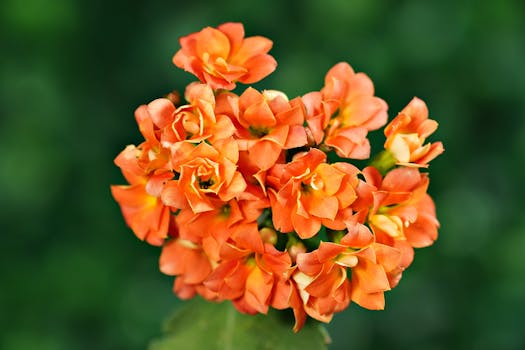
When it comes to watering, it’s important to remember that the kalanchoe thyrsiflora prefers a dry and well-drained environment. Water sparingly and allow the soil to dry out completely between watering sessions to prevent root rot.
What are the optimal soil and fertilizer needs for kalanchoe thyrsiflora?
The right soil mix is essential for the health of your kalanchoe thyrsiflora. A blend that provides excellent drainage will mimic the plant’s natural environment, preventing water from pooling around the roots.
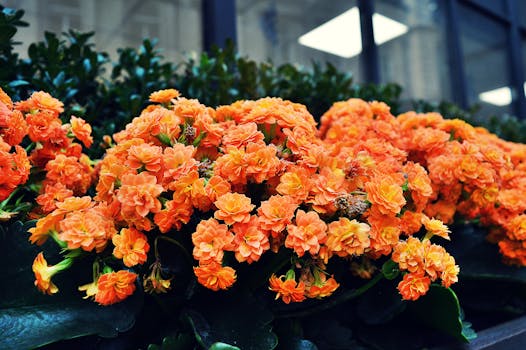
Consider using a specialized cactus or succulent potting mix, or create your own by combining regular potting soil with sand or perlite. Fertilize your kalanchoe thyrsiflora with a balanced, diluted fertilizer during the growing season for an extra boost of nutrients.
Keep in mind that fertilization should be done sparingly, as excessive nutrients can harm the plant. Once every few months during the spring and summer is typically sufficient for this low-feeding succulent.
When and how should you water your kalanchoe thyrsiflora?
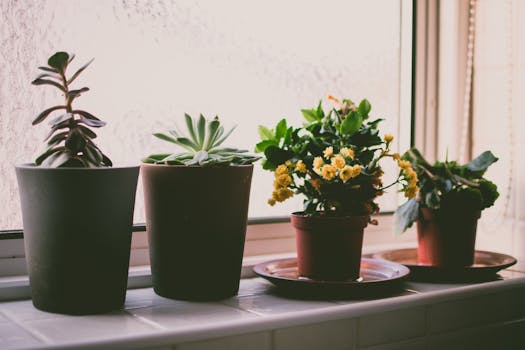
- Watering kalanchoe thyrsiflora should be done with a light hand, as overwatering can lead to root rot.
- During the growing season, water the plant thoroughly once the soil has dried out completely. In the winter, reduce watering frequency to reflect the plant’s dormant state.
- It’s better to underwater than to overwater, as kalanchoe thyrsiflora is equipped to handle drought better than excess moisture.
How to propagate your kalanchoe thyrsiflora?
Propagation of kalanchoe thyrsiflora is a simple process that can be done using offsets or leaf cuttings. Offsets are small plants that grow at the base of the parent plant and can be gently removed and repotted.
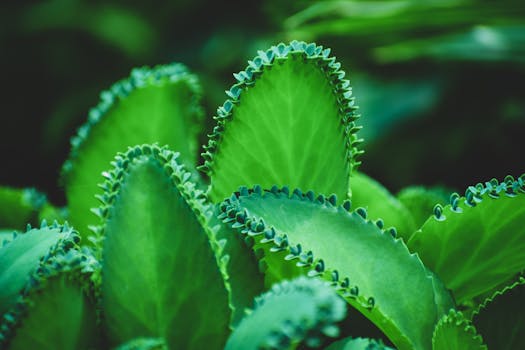
If you prefer using leaf cuttings, select a healthy leaf, allow it to callous over for a few days, and then place it on well-draining soil. With proper care, the cutting will develop roots and eventually grow into a new plant.
Propagation is best done in the spring or early summer, giving the new plants plenty of time to establish themselves before the cooler months.
What pests and common problems should you watch for?
While generally resistant to pests, kalanchoe thyrsiflora can occasionally fall prey to common succulent pests such as aphids, mealybugs, or spider mites. Keep an eye out for any signs of infestations, such as sticky residue or webbing, and treat promptly with insecticidal soap or neem oil.
Overwatering is a common problem that can lead to root rot. Ensure that your plant has proper drainage and that you are following the correct watering schedule.
Finally, frost is a significant threat to kalanchoe thyrsiflora. If you live in an area with cold winters, it’s vital to bring outdoor plants inside or provide them with protection from the cold.
What are the light requirements for kalanchoe thyrsiflora?
Kalanchoe thyrsiflora requires plenty of sunlight to maintain its distinctive leaf coloration and overall health. Aim for at least four to six hours of direct sunlight daily. South or west-facing windows are ideal spots for indoor plants.
If you notice the leaves stretching out or becoming leggy, this is a sign that your plant is seeking more light. In such cases, consider moving it to a brighter location or supplementing with a grow light.
How toxic is kalanchoe thyrsiflora to pets and humans?
While kalanchoe thyrsiflora is a stunning addition to any collection, it’s important to note that it can be toxic if ingested by pets or humans. The plant contains compounds that can cause vomiting, diarrhea, and other gastrointestinal issues.
Keep it out of reach of curious pets and children, and handle with care if you have sensitive skin, as the sap can cause irritation in some individuals.
Taking care of kalanchoe thyrsiflora and related questions
How do you take care of kalanchoe thyrsiflora?
Proper care for kalanchoe thyrsiflora involves providing it with a sunny location, well-draining soil, and minimal water. Fertilize lightly during the growing season and ensure the plant is protected from frost to keep it thriving.
Being mindful of its native environment will guide you in creating the best conditions for your kalanchoe thyrsiflora to flourish.
Is kalanchoe thyrsiflora an indoor plant?
Kalanchoe thyrsiflora can be grown both indoors and outdoors, depending on climate conditions. Indoors, ensure it receives adequate light and air circulation. Outdoors, it’s best suited for regions where temperatures do not drop below freezing.
How toxic is Kalanchoe to humans?
While kalanchoe thyrsiflora is often appreciated for its beauty, it is toxic to humans if ingested. Keep the plant out of reach of children and pets and handle with care to avoid potential skin irritation from its sap.
What is the difference between Kalanchoe Luciae and thyrsiflora?
Kalanchoe luciae and kalanchoe thyrsiflora are closely related and often confused. The main difference lies in their bloom times and leaf coloration patterns. Kalanchoe luciae generally has a more pronounced red color along the edges of its leaves and blooms in the winter, whereas kalanchoe thyrsiflora has a softer red hue and blooms in the spring.
As you delve into the world of succulents and grow your own kalanchoe thyrsiflora, you will not only enjoy its sculptural beauty but also appreciate its low-maintenance nature. Remember always to cater to its basic needs, and it will reward you with its striking presence for years to come.