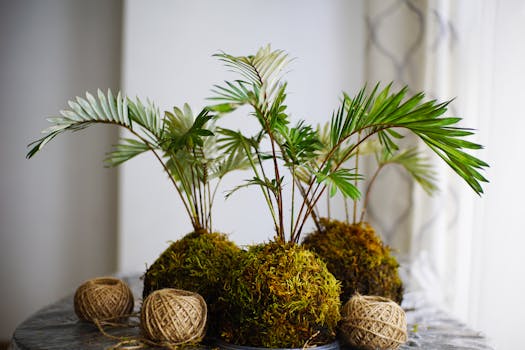
Kokedama, a word that translates to “moss ball,” is a form of Japanese garden art that is becoming increasingly popular around the world. This unique approach to displaying plants involves encasing the roots in a spherical ball of soil, then covering it with live moss. The result is a beautiful and natural plant sculpture that can add a minimalist charm to any indoor space.
Kokedama is not just a decorative piece; it’s a statement of simplicity and an homage to the natural beauty of plants. Whether you are a seasoned gardener or new to the world of indoor plants, creating and caring for kokedama is an enjoyable and fulfilling experience.
Table of Contents
How to create your own kokedama
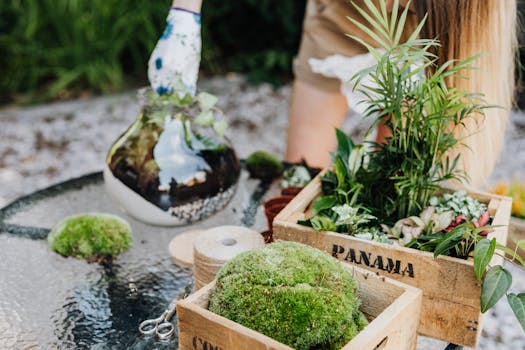
Begin your kokedama journey by gathering all necessary materials. You will need a plant, bonsai soil, peat moss, water, and live moss. Start by removing your plant from its pot and gently removing excess soil from the roots. Mix the bonsai soil and peat moss with water to create a clay-like texture, then mold it around the plant’s roots, forming a ball.
To secure the moss, wrap it around the soil ball and use thread or fishing line to hold it in place. The final step is to soak your kokedama in water until it’s fully saturated, then let it drip dry before displaying it.
What are the essential materials for kokedama?
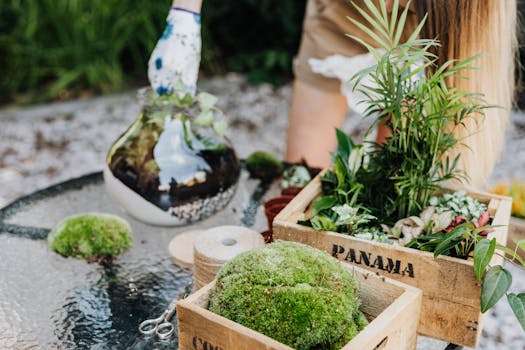
Creating a kokedama requires several key materials. Bonsai soil is the foundation, providing the necessary structure and nutrients. Peat moss helps retain moisture, while live moss creates the green exterior. Additionally, you’ll need cotton thread or fishing line to secure the moss, and water for soaking.
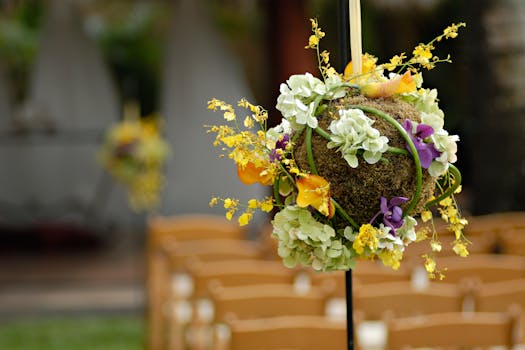
Consider adding a decorative element, such as twine or colorful string, to personalize your kokedama. And while not essential, some creators like to use gloves to keep their hands clean during the process.
Lastly, a bowl or basin for soaking the kokedama and scissors for trimming the thread are useful tools in this crafting journey.
How to choose the right plant for kokedama
- Select plants that thrive in high humidity and moderate light conditions.
- Consider the size of the plant; small to medium-sized plants are best suited for kokedama.
- Ferns, ivies, and certain tropical plants, like anthuriums, make excellent choices.
- Think about the visual aspect; plants with draping foliage can create an elegant display.
- Remember that slow-growing plants are preferable, as they will maintain the shape of the kokedama for longer periods.
What is the kokedama wrapping technique?
Once you’ve created the soil ball with your plant’s roots nestled inside, the kokedama wrapping technique is what brings your creation to life. Begin by soaking the live moss in water to increase its pliability. Lay the moss pieces over the soil ball, covering it completely.
Secure the moss with cotton thread or fishing line, wrapping it around the ball in a crisscross pattern. Ensure that the moss is tightly bound but not so tight as to damage the plant.
For a more decorative look, some enthusiasts use colored string or ribbon. This not only holds the moss in place but also adds a personalized touch to your kokedama.
How to care for your kokedama
Caring for your kokedama involves regular watering, appropriate lighting, and occasional feeding. Submerge the moss ball in a bowl of water until it’s fully saturated, then allow it to drip dry. Frequent misting can help maintain the right humidity levels.
Position your kokedama in bright, indirect light, and keep it away from direct sunlight, which can dry it out. Feed your plant with liquid fertilizer every few weeks during its growing season to ensure it remains healthy and vibrant.
Watch for signs of drying or browning moss, which indicates a need for more frequent watering or higher humidity. With proper care, your kokedama can thrive and bring natural beauty to your indoor environment.

Where to find kokedama for sale?
If creating your own kokedama seems daunting, fear not, as there are plenty of places to purchase ready-made moss ball planters. Specialty plant shops, botanical gardens, and online stores offer a variety of kokedama, from simple ferns to exotic orchids.
When purchasing kokedama, look for healthy, vibrant plants and well-constructed soil balls. Buying from reputable sources ensures you receive a quality product that will last.
For those looking for a more hands-on experience, consider attending a kokedama workshop. Not only will you learn the technique from experts, but you’ll also leave with a beautiful creation of your own.

What are the benefits of kokedama?
Kokedama offers both aesthetic and therapeutic benefits. As a form of minimalist plant art, it simplifies greenery in the home, reducing visual clutter. The act of crafting kokedama can also be a meditative and stress-relieving activity.
From an ecological standpoint, kokedama requires less water than traditional potted plants, making it an eco-friendly option. Additionally, the live moss contributes to air purification in indoor spaces.
For those with limited space, kokedama is a perfect solution. It can be displayed on platforms, hung from ceilings, or placed on walls, requiring no additional pots or containers.

In conclusion, kokedama is more than just a plant; it’s a piece of living art that brings a touch of Japanese gardening elegance to your home. Whether you make your own or purchase one, the world of kokedama offers a serene and natural beauty that’s hard to match.