Table of Contents
- What was the largest shark of all time and how big was it?
- What is the largest shark in the world today?
- How big was the Megalodon?
- What are the 10 largest sharks in the world?
- What is the diet of the Megalodon?
- How is the great white shark different from other sharks?
- Which sharks are endangered and why?
- What are the largest species of sharks in existence today?
- Frequently asked questions about the world’s largest shark
What was the largest shark of all time and how big was it?
The title of the largest shark of all time indisputably goes to the Megalodon. This prehistoric predator is not only renowned for its size but also for its fearsome reputation. The Megalodon, which roamed the oceans millions of years ago, is estimated to have reached colossal lengths of up to 24 meters. Weighing around 94 tons, its massive size eclipsed any shark species known to have lived.
Recent research has suggested that the body shape of the Megalodon was more aerodynamic than previously thought, hinting at greater efficiency and maneuverability in the water. This, combined with its large, powerful jaws, made the Megalodon a super-predator of its time, primarily feasting on large marine mammals such as whales and seals.

The Megalodon’s extinction has been a topic of much debate, but it is widely believed that a combination of factors, including slow growth rates and competition from other marine species like the great white shark, contributed to its demise. The great white, with its impressive hunting capabilities, may have outcompeted the Megalodon for food, leading to the latter’s eventual extinction.
What is the largest shark in the world today?
In today’s oceans, the title of the largest shark in the world belongs to the gentle giant, the whale shark. Despite its enormous size, the whale shark poses no threat to humans; it is a filter feeder that subsists on plankton. Whale sharks can grow up to 12 meters in length, displaying a beautiful pattern of spots and stripes unique to each individual.
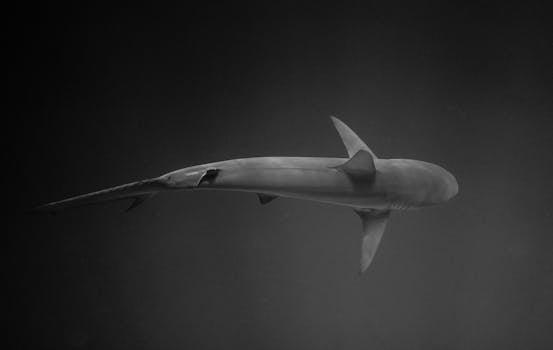
Another contender for size is the Greenland shark, known not only for its length, which can reach 7 meters, but also for its incredible lifespan. Greenland sharks are one of the longest-living vertebrates, with some individuals estimated to be around 400 years old.
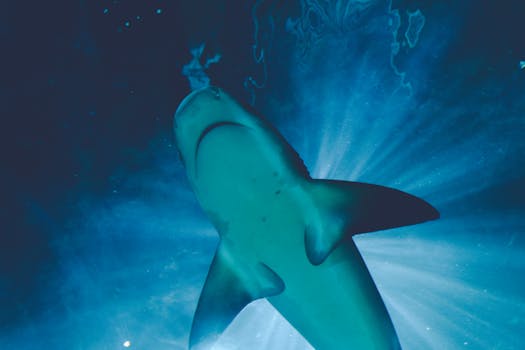
The great white shark, often depicted in media as a fierce predator, has a size that ranges between 4.6 and 6 meters. However, it is their hunting prowess rather than their size that has earned them a notorious reputation.
How big was the Megalodon?
The Megalodon was an extraordinary creature, whose size has fascinated scientists and the general public alike. Studies have estimated the size of the Megalodon to be up to 24 meters in length, three to four times longer than the average size of a great white shark. Its jaw span alone was estimated to be over 2 meters wide – large enough to swallow two adult humans side by side.
When considering the formidable size of the Megalodon, it’s essential to also acknowledge its massive teeth, each one could grow up to 18 centimeters in length, making them some of the most impressive and terrifying tools of predation. These teeth have become iconic fossils, often found by collectors and studied by scientists to understand more about the shark’s feeding habits and lifestyle.
Despite its incredible size and strength, the Megalodon was not immune to extinction. Its disappearance from the oceans remains one of the intriguing mysteries of paleontology, but it continues to captivate us as the epitome of prehistoric marine dominance.
What are the 10 largest sharks in the world?
When it comes to the largest sharks in the world, there are several species that are noteworthy for their impressive size. Here are the top contenders:
- Whale Shark
- Basking Shark
- Great White Shark
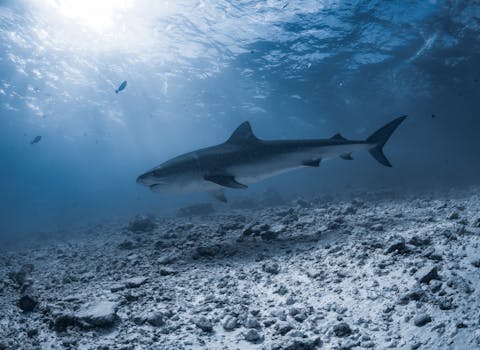
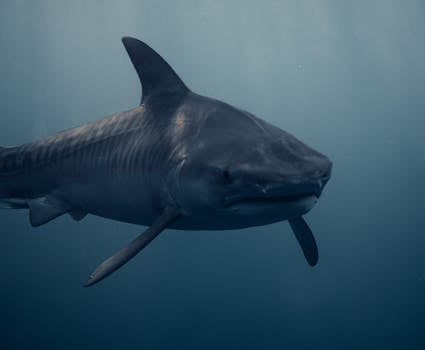
- Tiger Shark
- Greenland Shark
- Megamouth Shark
- Bluntnose Sixgill Shark
- Thresher Shark
- Hammerhead Shark
- Goblin Shark
Each of these sharks has unique characteristics and habitats, ranging from the gentle filter-feeding whale shark to the formidable great white shark. The variety within the shark family is astonishing and reflects the adaptability and evolutionary success of these marine predators.

What is the diet of the Megalodon?
The Megalodon was a top predator in its ecosystem, and its diet reflected its need for substantial energy to sustain its massive size. The primary diet of the Megalodon consisted of large marine mammals, such as whales and seals. Its powerful jaws and large, serrated teeth were perfectly adapted for gripping and tearing flesh.
In addition to marine mammals, Megalodon likely consumed a variety of prey, including large fish and other shark species. The evidence of its diet comes from the examination of fossilized teeth and bite marks found on ancient whale bones, which indicate the force and effectiveness of its bite.
As an apex predator, the feeding habits of the Megalodon would have had a significant impact on the marine food chain. The disappearance of such an influential species undoubtedly led to changes in the ocean’s ecological balance.
How is the great white shark different from other sharks?
The great white shark is distinguished from other sharks by a combination of its size, behavior, and physiology. Great whites are known for their hunting prowess, often breaching the water’s surface in a powerful leap to catch their prey, a behavior rarely seen in other shark species.
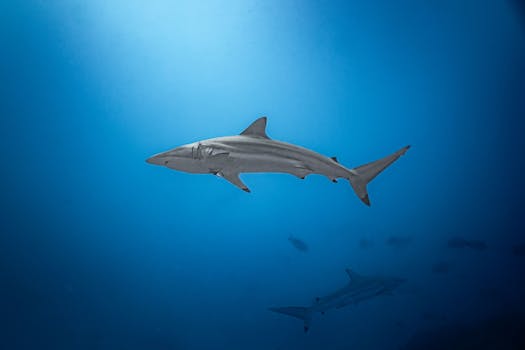
Great whites have a highly developed sense of smell, allowing them to detect minute quantities of blood in the water from great distances. They also have specialized liver oils that enable them to regulate their buoyancy, making them more agile hunters.
Their physical appearance, with the iconic white underbelly and gray dorsal area, provides camouflage in the water, making them less visible to prey from both below and above. This coloration, known as countershading, is a common trait among many marine predators.
Which sharks are endangered and why?
The unfortunate reality is that many shark species are now endangered, with overfishing and habitat loss being the primary causes. Shark finning, the practice of removing shark fins and discarding the rest of the body at sea, has had a devastating impact on shark populations worldwide.
Climate change is also a significant threat, as it affects the availability of prey and alters the sharks’ habitat. Additionally, sharks are particularly vulnerable due to their slow growth rates, late maturity, and low birth rates.

Conservation efforts are vital to prevent further decline of shark populations. These include the establishment of marine protected areas, catch limits, and the enforcement of international agreements that regulate the trade of endangered species.
What are the largest species of sharks in existence today?
Today’s oceans are home to several giant shark species. The whale shark holds the crown as the largest, followed by the basking shark, which can grow up to 10 meters long. Other large species include the great white shark, the Greenland shark, and the tiger shark, which are known not just for their size but also for their strength and predatory skills.

The whale shark, despite its size, is a gentle giant, as it feeds on plankton through filter feeding. This contrasts with the great white and tiger sharks, which are active predators. Whale sharks are often spotted by divers and snorkelers in tropical waters, where they swim close to the surface to feed.
The conservation of these large shark species is crucial. Due to their size, they are often caught in fishing gear, targeted for their meat, fins, and liver oil, making them highly vulnerable to overfishing and incidental bycatch.
Frequently asked questions about the world’s largest shark
What is the largest shark in the world currently?
The whale shark is currently recognized as the largest shark in the world. With its colossal size, the whale shark can grow up to 12 meters in length, though unconfirmed reports suggest some individuals may be even larger.
Despite their impressive size, whale sharks are known for their docile nature and are a favorite among divers and marine enthusiasts. Their unique filter-feeding habit allows them to consume large quantities of plankton and small fish, and this gentle feeding method contributes to their non-threatening disposition towards humans.
What is the largest shark in existence today?
As mentioned earlier, the whale shark holds the title as the largest living shark species today. The sheer size of this peaceful marine creature has captivated the interest of scientists and ocean lovers alike, and it serves as a significant attraction for ecotourism in regions where they are frequently spotted.
Conservation of the whale shark is essential, as it faces threats from human activities, such as habitat destruction and accidental capture in fishing gear. These factors highlight the need for increased efforts to protect this majestic species and ensure its survival in the world’s oceans.

What are the 10 largest sharks in the world?
The list of the 10 largest sharks is characterized by a mix of both active hunters and gentle giants. From the plankton-feeding whale shark to the formidable great white shark, each species has adapted to its ecological niche, allowing them to thrive in various marine environments.
These sharks are not only remarkable for their size but also for their contributions to the marine ecosystem’s health. Their presence in the oceans plays a critical role in controlling prey populations and maintaining the delicate balance of marine life.
What animal extinguished the Megalodon?
While no single animal can be credited with the extinction of the Megalodon, it is widely believed that environmental changes and competition from other marine predators, such as the great white shark, played significant roles in its decline. As the climate shifted and food sources became scarcer, the Megalodon may have been unable to adapt to the changing conditions, leading to its eventual disappearance.
The study of the Megalodon’s extinction provides valuable insights into the impact of ecological changes on large predators and the importance of adaptability for species survival. It is a sobering reminder of the vulnerability of even the most formidable creatures in the face of environmental shifts.